The Heads

Rock
Psychedelic Rock
Stoner Rock
 Viberate Rank: 297494
 Viberate Rank: 297494
 Monthly ListenersFollowers
 Subscribers
 Followers
 Followers
 FansTop Spotify Songs
| Track | 7-Day Streams | |
|---|---|---|
1 | 2.64K | |
2 | 109 | |
3 | 60 | |
4 | 39 | |
5 | 35 |
Top YouTube VideosMonthly ListenersFeatured in Playlists| Playlist | Followers | |
|---|---|---|
1 |  Stoner Rock A-Z boogievan | 24.16K |
2 |  Stoner Rock Classics Graham Grimm Young | 10.61K |
3 | space rock & psychedelia Edson Alejandro Adame | 8.05K |
4 |  Stoner Rock HEAVY PsychEdelic Stoner Guitar, Fuzz & PsychOdelic Space Rock, Jam Rock, Desert & DOOM Brad.Swartz.00 | 7.14K |
5 |  Off Your Face anton newcombe | 5.86K |
Audience| City | Monthly Listeners | |
|---|---|---|
1 | | 28 |
2 |  | 24 |
3 | | 14 |
4 | | 11 |
5 |  | 11 |
See full performance history, audience data, playlist activity, rankings, comparisons, and more in Viberate music analytics. Start with a free trial, then continue with a paid plan.
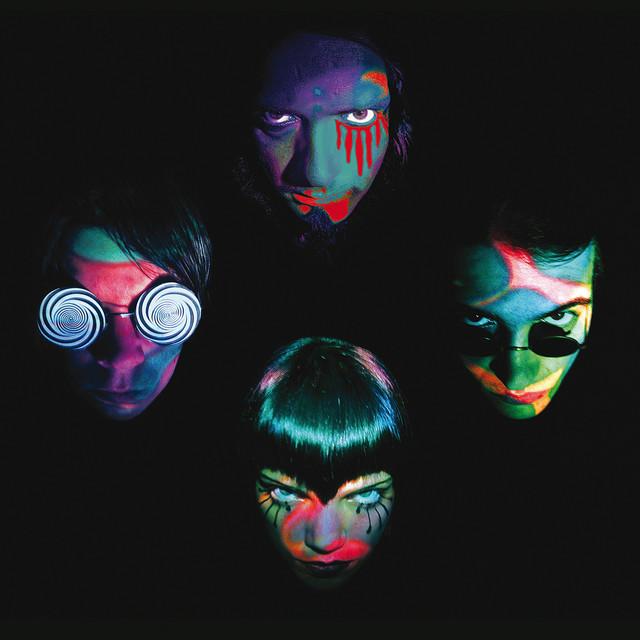
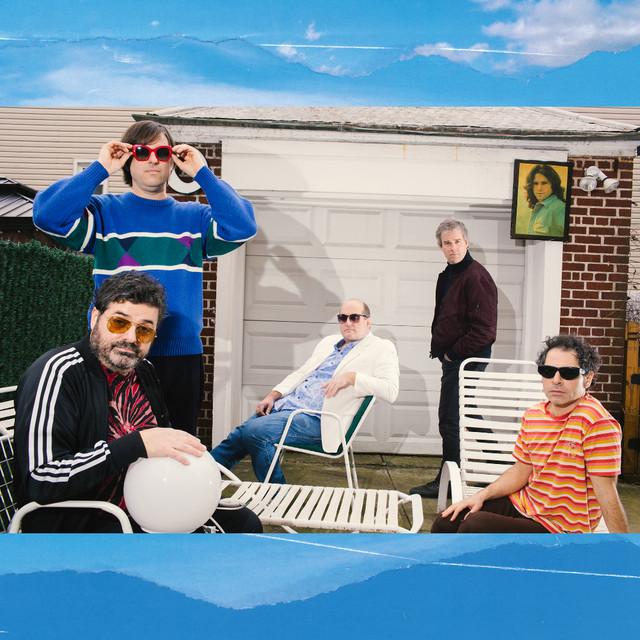
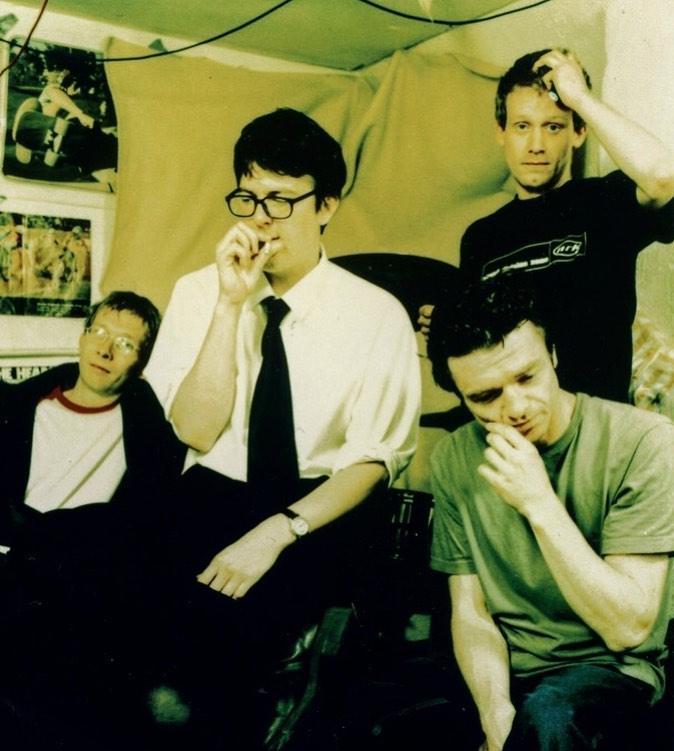
The Heads’ Spotify BioArising from the relatively quiet music scene in Bristol, England, the Heads comprise singer/guitarist Simon Price, lead guitarist Paul R.A. Allen, bassist H.O. Morgan, and drummer Wayne C. Maskell. On the surface, their independent 1995 debut, Relaxing With the Heads, seemed to slot right into the mid-'90s bustling stoner rock scene, built upon predominant Sabbath and '70s hard rock influences. But upon closer inspection, it soon became clear that the Heads never even made it that far. Instead, the band draws most of their inspiration from the late '60s, combining the sounds of proto-punk Detroit and post-British Invasion psychedelic bands with the acid trips typical of U.K. space rock pioneers like Hawkwind. Approached by the Man's Ruin label (company owner and legendary artist Frank Kozik often claimed that they were his favorite band), the Heads spent the next three years participating in the odd stoner rock collection and issuing a wealth of 7" singles and split E.P.s, most of… which were eventually compiled onto 1998's The Time Is Now! Personal differences and university studies drove the band apart for the next couple years, but they eventually made an unexpected return in the year 2000 with their second/third album (depending on who you ask), the critically acclaimed Everybody Knows We Got Nowhere. ~ Eduardo Rivadavia, Rovi
Viberate is a music analytics platform built for A&Rs, artist managers, labels, booking agents, marketers, and artists.
It helps music professionals track artist growth, analyze audience data, monitor playlist activity, compare artists, follow song performance, and identify opportunities across the music market.
Public artist pages provide a free preview of selected artist data. Paid plans provide access to deeper analytics, historical data, charts, comparisons, playlist tools, exports, alerts, reports, and additional professional features.
Yes. Public Viberate artist pages provide selected artist analytics and music data for free.
Viberate also offers a 7-day free trial of the full platform. A credit card is required to start the trial. The trial includes access to the complete product so users can test deeper artist analytics, historical views, playlist insights, comparisons, charts, exports, alerts, and reporting features before choosing a paid plan.
Viberate provides artist analytics across streaming, playlists, social media, video, radio airplay, songs, and audience markets.
Users can analyze Spotify performance, Spotify and Apple Music playlists, YouTube activity, TikTok and Instagram growth, radio spins, song performance, audience locations, demographics, rankings, and overall artist momentum.
Artist profiles also connect to music charts, similar artists, and comparison tools, helping users benchmark performance and evaluate artists in context.
Viberate updates key artist and track data daily.
For followed artists and tracks, selected data is refreshed multiple times per day. This helps teams monitor playlist changes, streaming movement, audience growth, releases, and campaign performance with more current data.
Update frequency can vary depending on the metric and data source.
Yes. Viberate lets users compare up to five artists side by side across streaming, social media, audience, and engagement metrics.
Users can compare fanbase growth, audience demographics, locations, Spotify performance, social metrics, and other artist data over selected time periods.
Artist comparison can be used for A&R scouting, benchmarking, booking decisions, campaign planning, and evaluating artists with similar audiences or market positions.