Suicide

Rock
Alternative Rock
Garage Rock
Pop Punk
 Viberate Rank: 25152
 Viberate Rank: 25152
 Monthly ListenersFollowers
 Subscribers
 Followers
 Followers
 FansTop Spotify Songs
| Track | 7-Day Streams | |
|---|---|---|
1 | 820.21K | |
2 | 820.21K | |
3 | 147.26K | |
4 | 14.14K | |
5 | 13.86K |
Top YouTube VideosMonthly ListenersFeatured in Playlists| Playlist | Followers | |
|---|---|---|
1 |  Alternative 70s Spotify | 451.41K |
2 |  66 GREENE _BY.ALEXANDER | 395.68K |
3 |  Fidi & Bumsi Spotify | 353.23K |
4 |  Oscuros 80 Spotify | 277.90K |
5 |  Witchy Songs 🔮🌙 Sarah | 97.70K |
Audience| City | Monthly Listeners | |
|---|---|---|
1 | | 32.00K |
2 | | 19.73K |
3 |  | 19.69K |
4 | | 17.96K |
5 | | 14.20K |
See full performance history, audience data, playlist activity, rankings, comparisons, and more in Viberate music analytics. Start with a free trial, then continue with a paid plan.
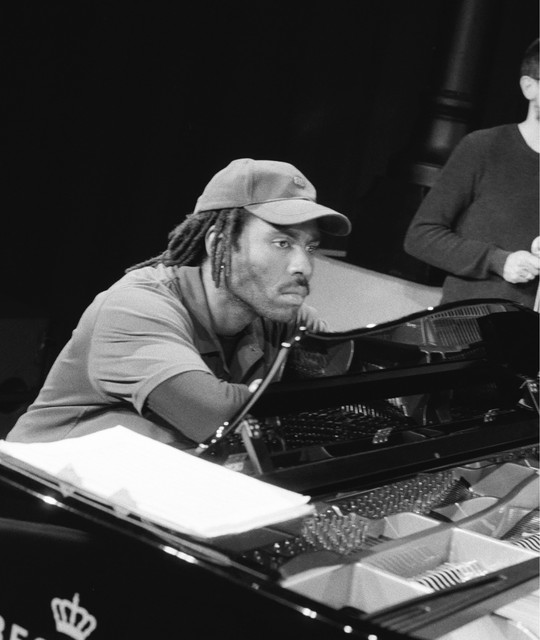
Suicide’s Spotify BioAlthough they barely received credit, Suicide (singer Alan Vega and keyboardist Martin Rev) were the source point for virtually every synth pop duo that glutted the pop marketplace (especially in England) in the early '80s. Without the trailblazing Rev and Vega, there would have been no Soft Cell, Erasure, Bronski Beat, Yaz, you name 'em, and while many would tell you that that's nothing to crow about, the aforementioned synth poppers merely appropriated Suicide's keyboards/singer look and none of Rev and Vega's extremely confrontational performance style and love of dissonance. The few who did (Throbbing Gristle, Cabaret Voltaire) were considered too extreme for most tastes.
Suicide had been a part of the performing arts scene in New York City's Lower East Side in the early/mid-'70s New York Dolls era. Their approach to music was simple: Rev would create minimalistic, spooky, hypnotic washes of dissonant keyboards and synthesizers, while Vega sang, ranted, and spat neo-Beat lyrics in a… jumpy, disjointed fashion. On-stage, Vega became confrontational, often baiting the crowd into a riotous frenzy that occasionally led to full-blown violence, usually with the crowd attacking Vega. With their reputation as controversial performers solidified, what was lost was that Suicide recorded some amazingly seductive and terrifying music. A relationship with Cars mastermind Ric Ocasek proved successful, bringing their music to a wider audience and developing unlikely fans (Bruce Springsteen went on record as loving Suicide's Vietnam-vet saga "Frankie Teardrop"), but after numerous breakups and reconciliations, Rev and Vega settled for being more influential than commercially successful.
Ironically, the '90s proved to be a decade of vindication for Suicide with the rise of industrial dance music, Chicago's Wax Trax! label, and the bands associated with it (Revolting Cocks, Ministry, 1000 Homo DJs, etc.). Although not a big part of the scene after the late '90s, the profound influence of Suicide on a generation of younger bands was readily apparent. When Suicide returned in 2002 with American Supreme, their first studio release in ten years, much fanfare resulted, no doubt considerably furthered by Vega's presence around this time as a heavily profiled exhibitor of art in New York, where he had presented a show at the Jeffrey Dietch Gallery in New York earlier in the year. Vega also continued to appear on collaborative and solo recordings, including his album Station, which arrived in 2007, five years after Suicide's American Supreme. Vega died in 2016 in New York City at the age of 78. ~ John Dougan, Rovi
Viberate is a music analytics platform built for A&Rs, artist managers, labels, booking agents, marketers, and artists.
It helps music professionals track artist growth, analyze audience data, monitor playlist activity, compare artists, follow song performance, and identify opportunities across the music market.
Public artist pages provide a free preview of selected artist data. Paid plans provide access to deeper analytics, historical data, charts, comparisons, playlist tools, exports, alerts, reports, and additional professional features.
Yes. Public Viberate artist pages provide selected artist analytics and music data for free.
Viberate also offers a 7-day free trial of the full platform. A credit card is required to start the trial. The trial includes access to the complete product so users can test deeper artist analytics, historical views, playlist insights, comparisons, charts, exports, alerts, and reporting features before choosing a paid plan.
Viberate provides artist analytics across streaming, playlists, social media, video, radio airplay, songs, and audience markets.
Users can analyze Spotify performance, Spotify and Apple Music playlists, YouTube activity, TikTok and Instagram growth, radio spins, song performance, audience locations, demographics, rankings, and overall artist momentum.
Artist profiles also connect to music charts, similar artists, and comparison tools, helping users benchmark performance and evaluate artists in context.
Viberate updates key artist and track data daily.
For followed artists and tracks, selected data is refreshed multiple times per day. This helps teams monitor playlist changes, streaming movement, audience growth, releases, and campaign performance with more current data.
Update frequency can vary depending on the metric and data source.
Yes. Viberate lets users compare up to five artists side by side across streaming, social media, audience, and engagement metrics.
Users can compare fanbase growth, audience demographics, locations, Spotify performance, social metrics, and other artist data over selected time periods.
Artist comparison can be used for A&R scouting, benchmarking, booking decisions, campaign planning, and evaluating artists with similar audiences or market positions.