Strawberry Switchblade

Pop
Mainstream Pop
Pop Rock
 Viberate Rank: 46116
 Viberate Rank: 46116
 Monthly ListenersFollowers
 Subscribers
 Followers
 Followers
 FansTop Spotify Songs
| Track | 7-Day Streams | |
|---|---|---|
1 | 141.30K | |
2 | 22.20K | |
3 | 15.76K | |
4 | 15.47K | |
5 | 10.18K |
Top YouTube Videos| Video | 7-Day Views | |
|---|---|---|
1 | 5.78K | |
2 | 1.45K | |
3 | 741 | |
4 | 562 | |
5 | 261 |
Monthly ListenersFeatured in Playlists| Playlist | Followers | |
|---|---|---|
1 |  staring at the ceiling at 3am dyls playlists | 311.59K |
2 |  romanticizing studying - calm vibes natalia | 172.63K |
3 |  𓋹 goth playlist for babybats 🦇𓋹 Alienpuke! | 116.58K |
4 |  Witchy Songs 🔮🌙 Sarah | 97.71K |
5 |  POV: you’re in a edit 𐙚˙⋆.˚ ᡣ𐭩 | 87.34K |
Audience| City | Monthly Listeners | |
|---|---|---|
1 |  | 7.90K |
2 | | 6.07K |
3 | | 5.34K |
4 | | 5.18K |
5 |  | 3.83K |
See full performance history, audience data, playlist activity, rankings, comparisons, and more in Viberate music analytics. Start with a free trial, then continue with a paid plan.
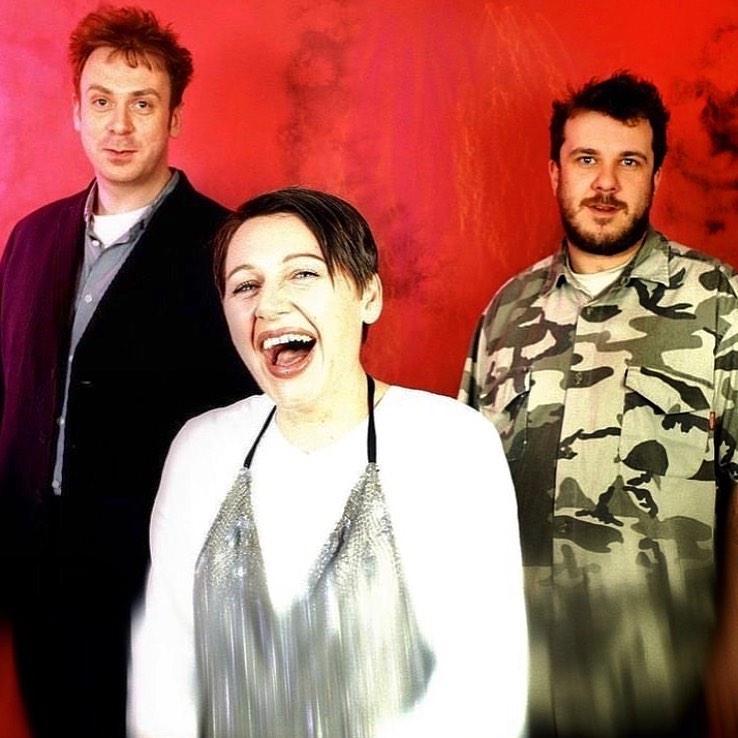
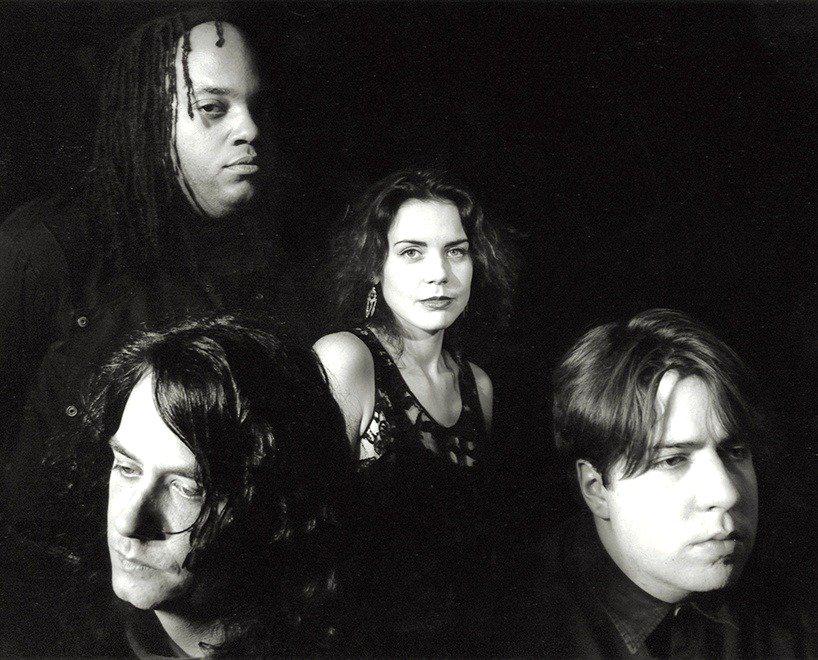
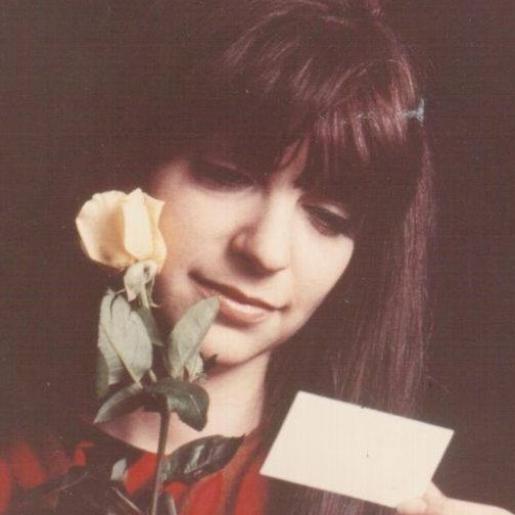
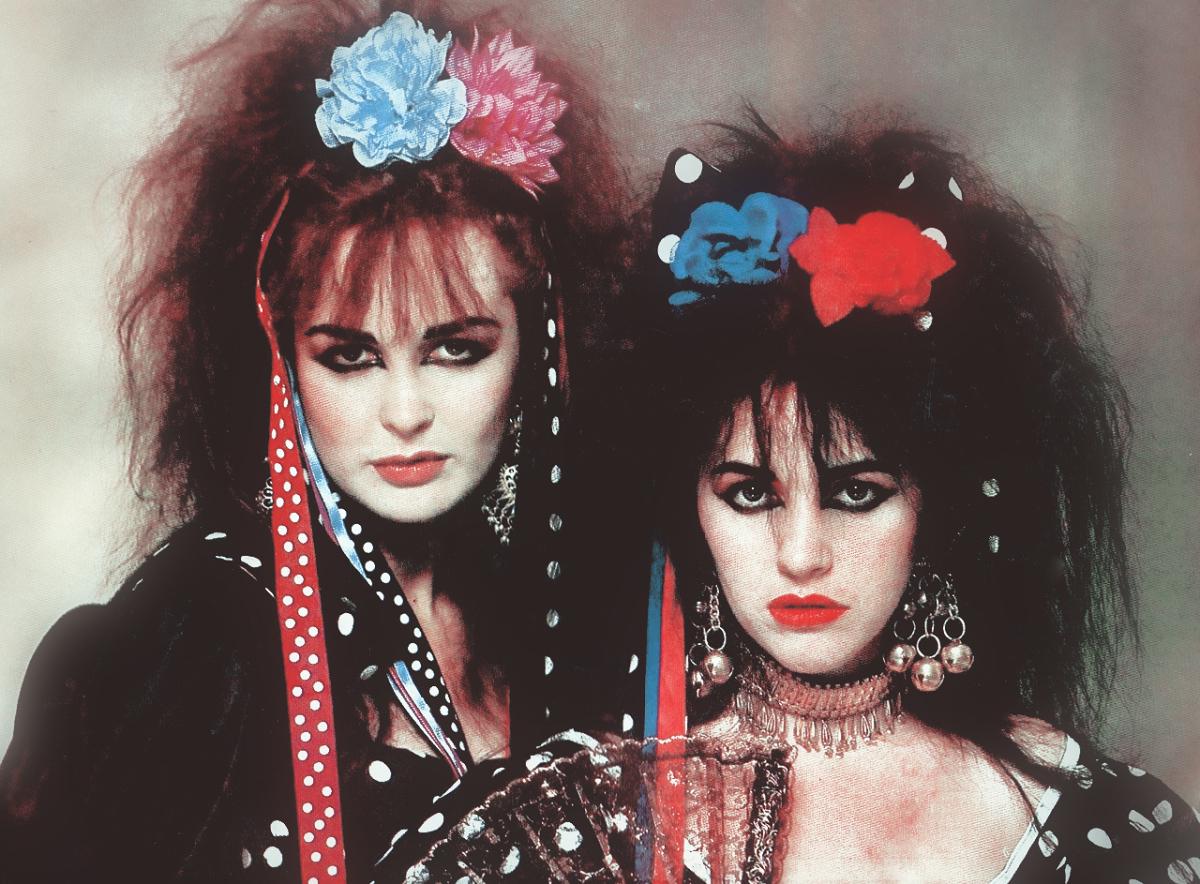
Strawberry Switchblade’s Spotify BioFrom the ominous shadows of goth suddenly appeared two young girls in polka-dot dresses, flaming red lipstick, and hair ribbons. Looking like the brides of Robert Smith, Strawberry Switchblade made a brief splash on the U.K. charts and then abruptly vanished in the mid-‘80s, leaving their fans with a handful of collectible singles and one LP of deceptively sweet-sounding dance-pop. The duo of Rose McDowall and Jill Bryson first met in 1977 in Glasgow, Scotland, united by their love for punk and new wave. The pair became friends with James Kirk of Orange Juice, who encouraged them to start their own group. In 1981, the new act named themselves after a fanzine devoted to the legendary Postcard Records in Scotland: Strawberry Switchblade. The band originally consisted of four members, but the two other women eventually split from the group, leaving McDowall and Bryson on their own. Strawberry Switchblade became the opening act for Orange Juice. Signed to Postcard Records, the band didn't… record their first single, "Trees and Flowers," until they were picked up by Zoo. Echo & the Bunnymen's manager Bill Drummond became a fan of the group and convinced Ian McCulloch to pay for the manufacturing costs of "Trees and Flowers." The song, which featured Aztec Camera's Roddy Frame on guitar, was released in July 1983 and sold 10,000 copies. Strawberry Switchblade gained mainstream attention by performing on BBC DJ Janice Long's radio program. Drummond then signed the group to Warner Bros. Their next single, "Since Yesterday," hit number five on the British charts in 1984, providing a sneak preview for their self-titled debut album a year later. However, the LP never made it to the U.S. Saturated with colorful, jubilant keyboards that disguised the sadness in the songs' lyrics, the hook-laden Strawberry Switchblade didn't achieve the commercial success that the popularity of "Since Yesterday" promised. Subsequent singles such as "Let Her Go" and "Who Knows What Love Is?" did well in the Philippines -- played heavily on the country's new wave radio stations -- but weren't as warmly embraced in the U.K. The band covered Dolly Parton's "Jolene," their last futile stab at mass acceptance. Strawberry Switchblade broke up in 1986, burned out from the pressure of having to sell records. McDowall collaborated with various dark, experimental acts like Nurse with Wound and Current 93; she also briefly played guitar for Felt. Although short-lived, Strawberry Switchblade developed a worldwide cult following years after they quit recording, and their only full-length was reissued on CD in Japan in the early ‘90s. ~ Michael Sutton, Rovi
Viberate is a music analytics platform built for A&Rs, artist managers, labels, booking agents, marketers, and artists.
It helps music professionals track artist growth, analyze audience data, monitor playlist activity, compare artists, follow song performance, and identify opportunities across the music market.
Public artist pages provide a free preview of selected artist data. Paid plans provide access to deeper analytics, historical data, charts, comparisons, playlist tools, exports, alerts, reports, and additional professional features.
Yes. Public Viberate artist pages provide selected artist analytics and music data for free.
Viberate also offers a 7-day free trial of the full platform. A credit card is required to start the trial. The trial includes access to the complete product so users can test deeper artist analytics, historical views, playlist insights, comparisons, charts, exports, alerts, and reporting features before choosing a paid plan.
Viberate provides artist analytics across streaming, playlists, social media, video, radio airplay, songs, and audience markets.
Users can analyze Spotify performance, Spotify and Apple Music playlists, YouTube activity, TikTok and Instagram growth, radio spins, song performance, audience locations, demographics, rankings, and overall artist momentum.
Artist profiles also connect to music charts, similar artists, and comparison tools, helping users benchmark performance and evaluate artists in context.
Viberate updates key artist and track data daily.
For followed artists and tracks, selected data is refreshed multiple times per day. This helps teams monitor playlist changes, streaming movement, audience growth, releases, and campaign performance with more current data.
Update frequency can vary depending on the metric and data source.
Yes. Viberate lets users compare up to five artists side by side across streaming, social media, audience, and engagement metrics.
Users can compare fanbase growth, audience demographics, locations, Spotify performance, social metrics, and other artist data over selected time periods.
Artist comparison can be used for A&R scouting, benchmarking, booking decisions, campaign planning, and evaluating artists with similar audiences or market positions.