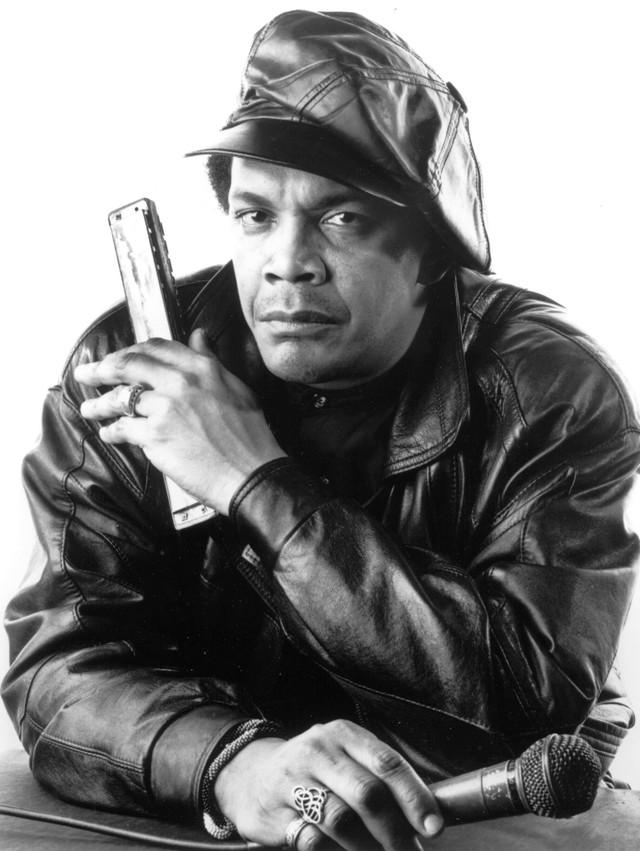
Sugar Blue

Blues
Blues Rock
Contemporary Blues
 Viberate Rank: 173065
 Viberate Rank: 173065
 Monthly ListenersFollowers
 Subscribers
 Followers
 Followers
 FansTop Spotify Songs
| Track | 7-Day Streams | |
|---|---|---|
1 | 5.68K | |
2 | 1.73K | |
3 | 1.03K | |
4 | 899 | |
5 | 309 |
Top YouTube Videos| Video | 7-Day Views | |
|---|---|---|
1 | 1.17K | |
2 | 195 | |
3 | 127 | |
4 | 51 | |
5 | 39 |
Monthly ListenersFeatured in Playlists| Playlist | Followers | |
|---|---|---|
1 |  ANTENA 1 ⭐️ Sucessos e Clássicos Internacionais Flashback Carlos Eduardo 🇧🇷 | 46.13K |
2 | Blues Harmonica Mikael Levinsson | 33.48K |
3 | Slow Blues The Blues Room | 28.09K |
4 |  The Sky Is Crying 🌧 Don's Tunes | 14.81K |
5 |  The NTS Breakfast Show w/ Flo - NTS NTS ᵇᵒᵗ (killed 2026/03) | 12.70K |
Audience| City | Monthly Listeners | |
|---|---|---|
1 |  | 294 |
2 |  | 269 |
3 | | 234 |
4 |  | 178 |
5 |  | 174 |
See full performance history, audience data, playlist activity, rankings, comparisons, and more in Viberate music analytics. Start with a free trial, then continue with a paid plan.
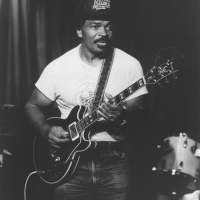
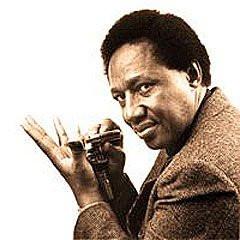
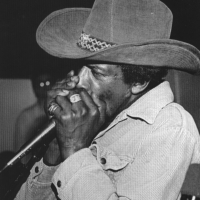
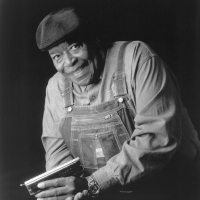
Sugar Blue’s Spotify BioInarguably the best-known recorded performances by Grammy-winning harmonicist Sugar Blue are his two appearances on the Rolling Stones' Some Girls in 1977-- in particular on the hit "Miss You." (Mick Jagger found him busking on a Paris street.) That said, Blue has become a superstar and first-call sideman who has worked with everyone from Paul Horn, Hiram Bullock, Stan Getz, Prince, and Bob Dylan to Willie Dixon, Son Seals, Johnny Shines, and Shemekia Copeland, to name a few. He is among the foremost electric harpists of the modern era. Given his proficiency as an improviser and his high-register runs, circular breathing, and electronic effects, Sugar Blue is regarded by music journalists as "the Jimi Hendrix of the harmonica" and a "harp pyrotechnician." Though he records infrequently as a leader, his 1979 debut Crossroads and 1994's In Your Eyes, are regarded as essential modern electric blues offerings. His 2012 live date, Raw Sugar from Beeble Music, is among the first harmonica… blues "essentials" of the 21st century. In 2016, Blue issued the charting Blue Voyage.
Sugar Blue was born James Whiting in New York City in 1950. The son of a singer/dancer who regularly performed at the legendary Apollo Theater, he was given his first harmonica at the age of ten, and by his mid-teens had already performed in the company of Muddy Waters; in the early '70s he made his first recordings, sitting in on sessions by the likes of Johnny Shines and Louisiana Red. Sugar Blue relocated to Paris in 1976, where he was introduced to the Rolling Stones; he went on to play on the group's LPs Some Girls, Emotional Rescue, and Tattoo You, lending his skills to such hits as "Miss You." He also played on jazz dates for Stan Getz and Paul Horn, and in 1979 cut the solo efforts Crossroads and From Paris to Chicago in 1982). In 1985, Blue won a Grammy Award for his participation on the Atlantic compilation Blues Explosion. Upon returning to the U.S. in the mid-'80s, Sugar Blue settled in Chicago, and after signing to Alligator, he cut Blue Blazes in 1994, followed a year later by In Your Eyes. Over the coming years he continued to perform and tour, though it would be 12 years before his next album, 2007's Code Blue, was released. Threshold appeared in 2010, followed two years later by the live album Raw Sugar. 2016 would prove to be a banner year for the veteran bluesman, with the release of a new studio album called Voyage, a world tour, and an appearance in the documentary film Sidemen, A Long Road to Glory. Restlessness is a chronic state for Blue, who continually seeks new sounds and studios to record in. For 2019's Colors, he wrote and recorded on four continents, U.S. (Chicago), China (Beijing), Europe (Italy), and Africa (South Africa). ~ Jason Ankeny & Timothy Monger, Rovi
Viberate is a music analytics platform built for A&Rs, artist managers, labels, booking agents, marketers, and artists.
It helps music professionals track artist growth, analyze audience data, monitor playlist activity, compare artists, follow song performance, and identify opportunities across the music market.
Public artist pages provide a free preview of selected artist data. Paid plans provide access to deeper analytics, historical data, charts, comparisons, playlist tools, exports, alerts, reports, and additional professional features.
Yes. Public Viberate artist pages provide selected artist analytics and music data for free.
Viberate also offers a 7-day free trial of the full platform. A credit card is required to start the trial. The trial includes access to the complete product so users can test deeper artist analytics, historical views, playlist insights, comparisons, charts, exports, alerts, and reporting features before choosing a paid plan.
Viberate provides artist analytics across streaming, playlists, social media, video, radio airplay, songs, and audience markets.
Users can analyze Spotify performance, Spotify and Apple Music playlists, YouTube activity, TikTok and Instagram growth, radio spins, song performance, audience locations, demographics, rankings, and overall artist momentum.
Artist profiles also connect to music charts, similar artists, and comparison tools, helping users benchmark performance and evaluate artists in context.
Viberate updates key artist and track data daily.
For followed artists and tracks, selected data is refreshed multiple times per day. This helps teams monitor playlist changes, streaming movement, audience growth, releases, and campaign performance with more current data.
Update frequency can vary depending on the metric and data source.
Yes. Viberate lets users compare up to five artists side by side across streaming, social media, audience, and engagement metrics.
Users can compare fanbase growth, audience demographics, locations, Spotify performance, social metrics, and other artist data over selected time periods.
Artist comparison can be used for A&R scouting, benchmarking, booking decisions, campaign planning, and evaluating artists with similar audiences or market positions.