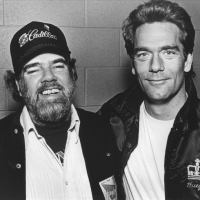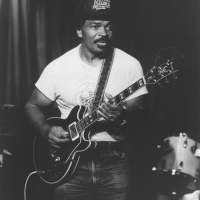
Matt "Guitar" Murphy

Blues
Contemporary Blues
 Viberate Rank: 213935
 Viberate Rank: 213935
 Monthly ListenersFollowers
 Subscribers
 Followers
 Followers
 FansTop Spotify Songs
| Track | 7-Day Streams | |
|---|---|---|
1 | 4.19K | |
2 | 2.94K | |
3 | 2.06K | |
4 | 2.06K | |
5 | 1.61K |
Top YouTube VideosMonthly ListenersFeatured in Playlists| Playlist | Followers | |
|---|---|---|
1 |  Blues Instrumental Joar Fosså | 45.46K |
2 |  Best Bass Guitar Riffs Allan Mcwatt | 20.14K |
3 |  Slow Blues & Blues Rock | Don's Tunes Don's Tunes | 19.74K |
4 |  The Blues Brothers - Soundtrack (1-2) mcflystudio | 13.83K |
5 |  Slow Guitar Blues Hakon Stefansson | 11.43K |
Audience| City | Monthly Listeners | |
|---|---|---|
1 |  | 510 |
2 | | 499 |
3 |  | 352 |
4 | | 342 |
5 | | 326 |
See full performance history, audience data, playlist activity, rankings, comparisons, and more in Viberate music analytics. Start with a free trial, then continue with a paid plan.
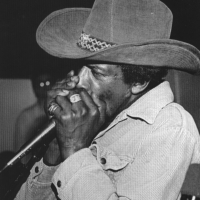
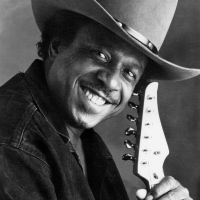
Matt "Guitar" Murphy’s Spotify BioProbably best known for playing behind the Blues Brothers (and appearing prominently in their 1980 hit movie), Matt "Guitar" Murphy deserves enshrinement in the blues guitar hall of fame anyway. His jazz-tinged, stunningly advanced riffing behind Memphis Slim elevated the towering pianist's 1950s output for United and Vee-Jay Records to new heights.
Guitar playing ran in the Murphy household (which moved from Mississippi to Memphis when Matt was a toddler). Matt and his brother Floyd both made a name for themselves on the early-'50s Memphis scene (that's Floyd on Little Junior Parker & the Blue Flames' 1953 Sun waxings of "Feelin' Good" and "Mystery Train"). Matt played with Howlin' Wolf as early as 1948 (harpist Little Junior Parker was also in the band at the time). Murphy added hot licks to early sides by Parker and Bobby Bland for Modern before latching on with Memphis Slim's House Rockers in 1952. Normally, the veteran pianist eschewed guitarists altogether, but Murphy's talent was… so prodigious that he made an exception.
Murphy's consistently exciting guitar work graced Slim's United waxings from 1952-1954 and his 1958-1959 platters for Vee-Jay. Another solid Memphis Slim LP for Strand in 1961 and dates with Chuck Berry, Otis Rush, Sonny Boy Williamson, Etta James, and the Vibrations at Chess preceded Murphy's memorable appearance on the 1963 American Folk Blues Festival tour of Europe (along with Slim, Sonny Boy Williamson, Muddy Waters, Lonnie Johnson, Big Joe Williams, Victoria Spivey, and Willie Dixon). On that pioneering tour (promoted by Lippmann and Rau), Murphy commanded the spotlight with a thrilling "Matt's Guitar Boogie" that showcased his ultra-clean rapid-fire picking.
Harpist James Cotton was the sweaty beneficiary of Murphy's prowess during much of the 1970s. Murphy's crisp picking matched Cotton's high-energy blowing on the harpist's 1974 Buddah album 100% Cotton (the guitarist penned a nonstop "Boogie Thing" for the set). From there, it was on to aiding and abetting John Belushi and Dan Aykroyd's antic mugging, both on-stage and in the Blues Brothers flick (where he played Aretha Franklin's guitarist hubby, convinced to come out of retirement by the boys in black).
Murphy toured as a bandleader in subsequent years, having recorded an album of his own in 1990, Way Down South, for Antone's (with brother Floyd on rhythm guitar). Two additional Murphy albums followed on the Roesch Records label, The Blues Don't Bother Me in 1996 and Lucky Charm in 2000. In live performances, his repertoire encompassed blues, funk, jazz, R&B, and even a few of those Blues Brothers chestnuts (he usually carried someone in the entourage to sing 'em, Belushi style). Murphy suffered a pair of strokes in the early 2000s and retired from music, but underwent physical therapy and performed at the Chicago Blues Festival with James Cotton in 2010. Matt "Guitar" Murphy died in Miami in June 2018 at the age of 88. ~ Bill Dahl, Rovi
Viberate is a music analytics platform built for A&Rs, artist managers, labels, booking agents, marketers, and artists.
It helps music professionals track artist growth, analyze audience data, monitor playlist activity, compare artists, follow song performance, and identify opportunities across the music market.
Public artist pages provide a free preview of selected artist data. Paid plans provide access to deeper analytics, historical data, charts, comparisons, playlist tools, exports, alerts, reports, and additional professional features.
Yes. Public Viberate artist pages provide selected artist analytics and music data for free.
Viberate also offers a 7-day free trial of the full platform. A credit card is required to start the trial. The trial includes access to the complete product so users can test deeper artist analytics, historical views, playlist insights, comparisons, charts, exports, alerts, and reporting features before choosing a paid plan.
Viberate provides artist analytics across streaming, playlists, social media, video, radio airplay, songs, and audience markets.
Users can analyze Spotify performance, Spotify and Apple Music playlists, YouTube activity, TikTok and Instagram growth, radio spins, song performance, audience locations, demographics, rankings, and overall artist momentum.
Artist profiles also connect to music charts, similar artists, and comparison tools, helping users benchmark performance and evaluate artists in context.
Viberate updates key artist and track data daily.
For followed artists and tracks, selected data is refreshed multiple times per day. This helps teams monitor playlist changes, streaming movement, audience growth, releases, and campaign performance with more current data.
Update frequency can vary depending on the metric and data source.
Yes. Viberate lets users compare up to five artists side by side across streaming, social media, audience, and engagement metrics.
Users can compare fanbase growth, audience demographics, locations, Spotify performance, social metrics, and other artist data over selected time periods.
Artist comparison can be used for A&R scouting, benchmarking, booking decisions, campaign planning, and evaluating artists with similar audiences or market positions.