Stuck Mojo

Metal
Alternative Metal
Rap Metal
 Viberate Rank: 118676
 Viberate Rank: 118676
 Monthly ListenersFollowers
 Subscribers
 Followers
 Followers
 FansTop Spotify Songs
| Track | 7-Day Streams | |
|---|---|---|
1 | 8.16K | |
2 | 3.85K | |
3 | 3.38K | |
4 | 3.26K | |
5 | 1.92K |
Top YouTube VideosMonthly ListenersFeatured in Playlists| Playlist | Followers | |
|---|---|---|
1 | Bible of Nu-Metal/alternatif Grunt | 15.47K |
2 |  Nu Metal (not for posers) jermu | 8.15K |
3 | 90s and 2000s hard rock Just_Cole | 7.55K |
4 | Rapcore Johan Snellman | 6.74K |
5 |  Best of Numetal chase | 5.45K |
Audience| City | Monthly Listeners | |
|---|---|---|
1 |  | 356 |
2 |  | 319 |
3 | | 281 |
4 | | 267 |
5 |  | 224 |
See full performance history, audience data, playlist activity, rankings, comparisons, and more in Viberate music analytics. Start with a free trial, then continue with a paid plan.
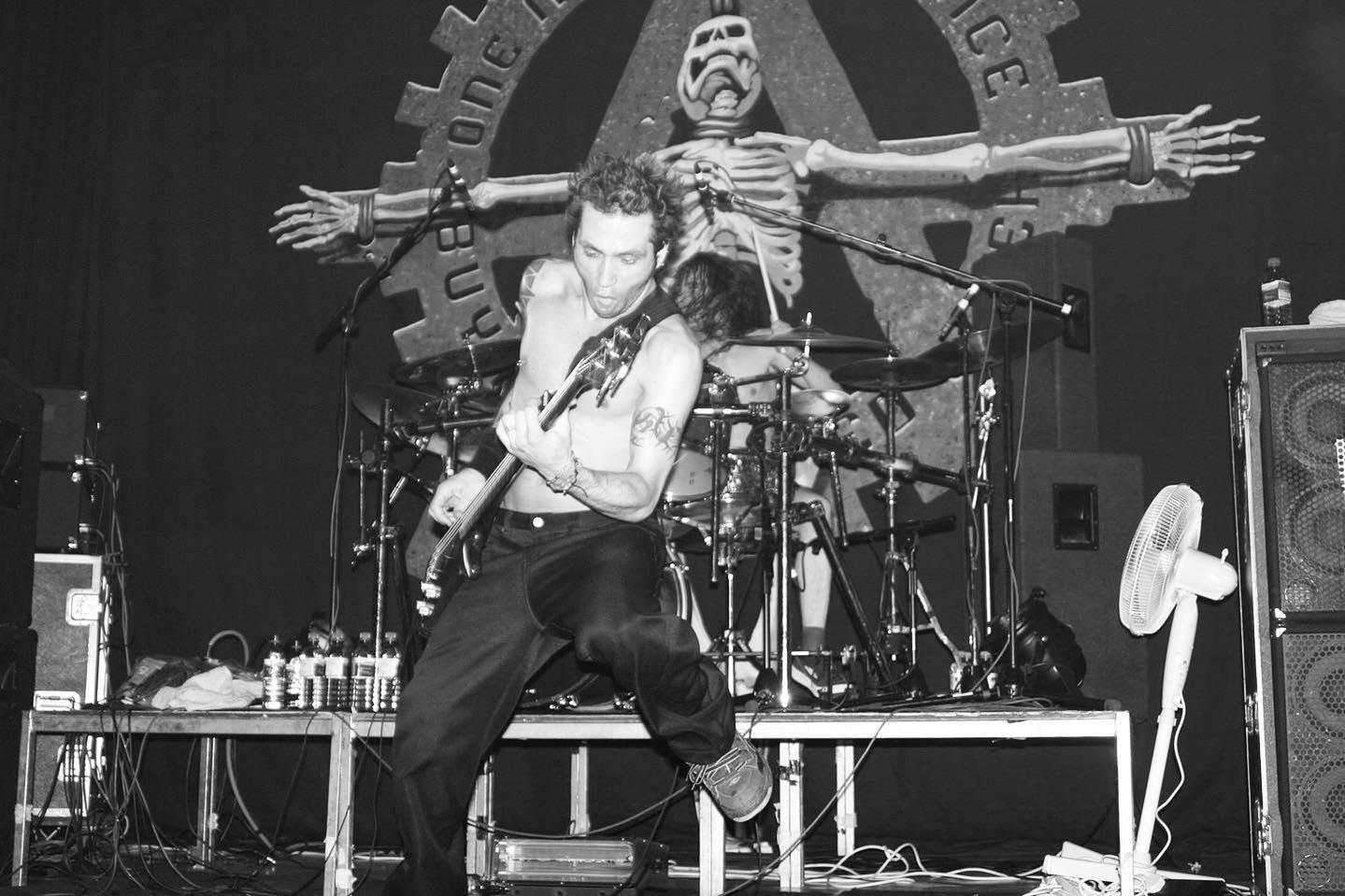
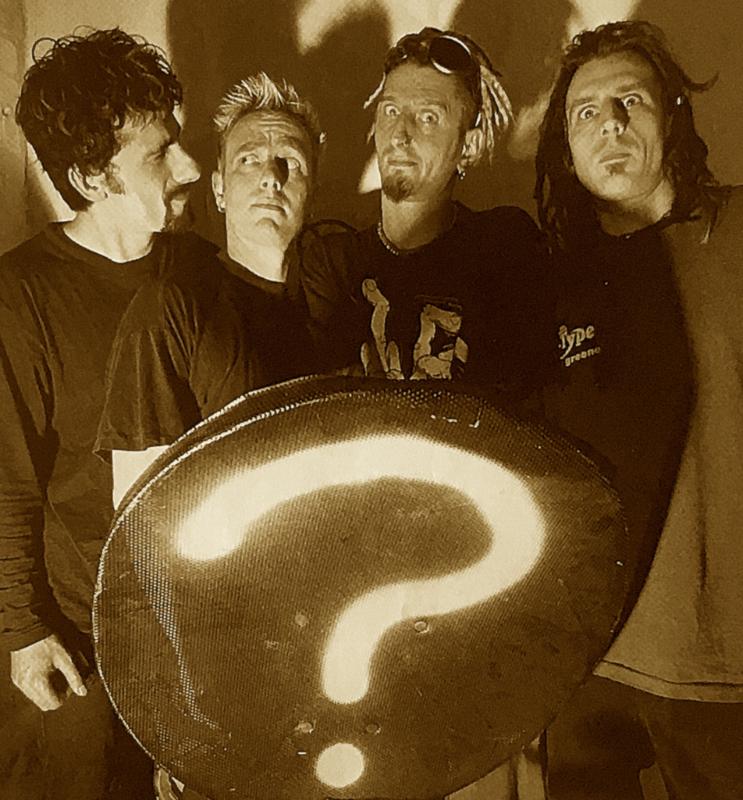
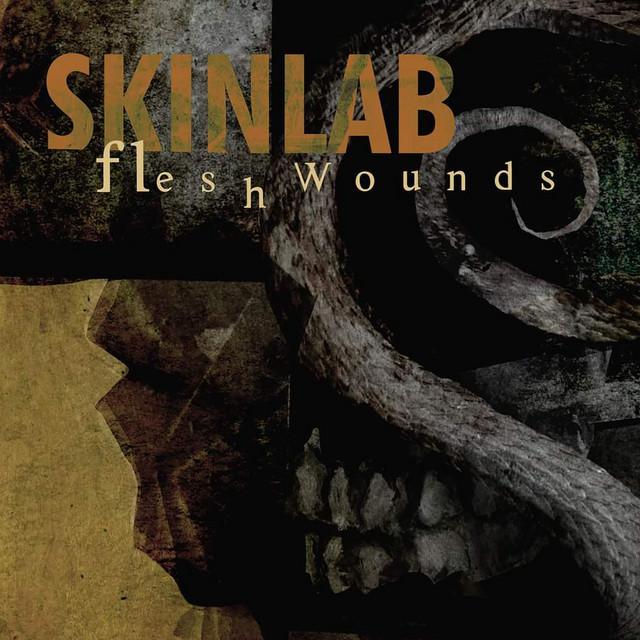
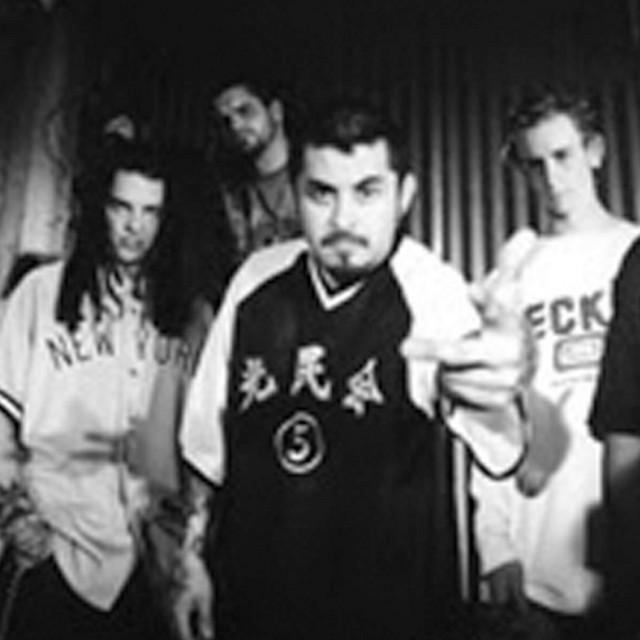
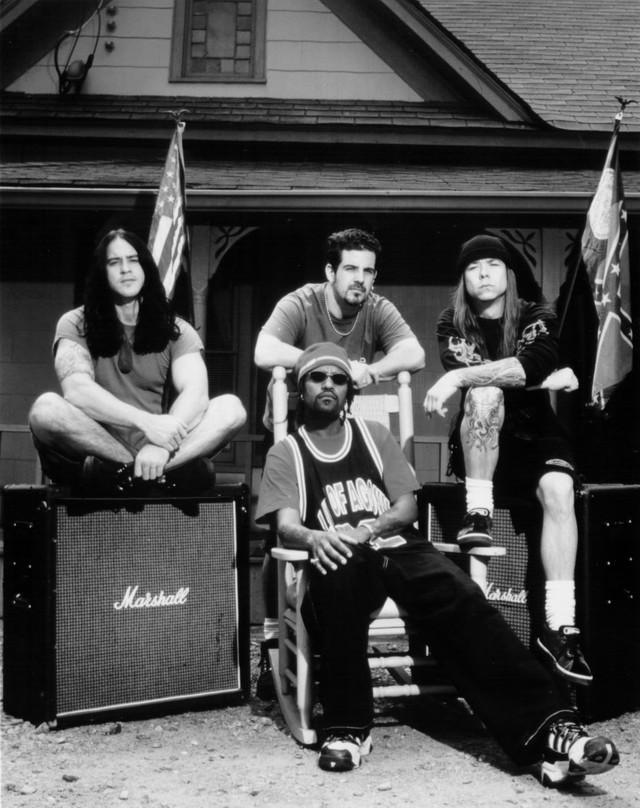
Stuck Mojo’s Spotify BioHaving gotten their start in 1993, Stuck Mojo were always an easy target for criticism, receiving complaints about their fusion of metal and rap -- "overdue" or "generic" were the most common jabs -- and even bigoted remarks from those unable to accept their African-American frontman, Bonz. Regardless of the negative or demeaning heckles when they first started in their home base of Atlanta, Georgia, Stuck Mojo continued on and eventually scored a deal with Century Media Records in 1994. With the accompaniment of guitarist Rich Ward, Corey Lowery on bass, and Bud Fontsere on drums, the release of Snappin' Necks debuted in 1995 with a plethora of touring to follow within the next year. Hitting the road with such acts as Machine Head and Slapshot, Stuck Mojo found their new living quarters in the (dis)comfort of their rented van. With this constant living on the road in full effect, 1996's Violated EP, followed by their second album, Pigwalk, helped fuel this lifestyle. In 1998 Stuck… Mojo released their third album, Rising, which vividly themed the group's second favorite passion outside of going on tour: wrestling. HVY1 followed a year later, and in mid-2000 Stuck Mojo returned with Declaration of a Headhunter, the latter of which, despite some internal friction, proved to be the band's heaviest and most dynamic outing to date. It would also be their last collection of new material in some time, as shortly after its release, Stuck Mojo would cease operations. The band returned in 2007 with rapper Lord Nelson stepping up to the mike -- longtime vocalist Bonz had left the fold -- and released its fifth studio album, Southern Born Killers, independently. The LP was released nationally the following year by Napalm Records, along with their sixth studio long-player, the undeniably heavy yet commercial-tinged Great Revival. Another hiatus ensued, this time lasting until 2014 when the band reunited -- with Ward, Bonz, Lowery, and Fontsere appearing on-stage together for the first time since 1998 -- at the Masquerade in Atlanta for a one-time show. Two years later, Stuck Mojo released their seventh studio long-player, Here Come the Infidels, which featured the debut of two new members, vocalist Robby J. and bassist Len Sonnier. ~ Mike DaRonco, Rovi
Viberate is a music analytics platform built for A&Rs, artist managers, labels, booking agents, marketers, and artists.
It helps music professionals track artist growth, analyze audience data, monitor playlist activity, compare artists, follow song performance, and identify opportunities across the music market.
Public artist pages provide a free preview of selected artist data. Paid plans provide access to deeper analytics, historical data, charts, comparisons, playlist tools, exports, alerts, reports, and additional professional features.
Yes. Public Viberate artist pages provide selected artist analytics and music data for free.
Viberate also offers a 7-day free trial of the full platform. A credit card is required to start the trial. The trial includes access to the complete product so users can test deeper artist analytics, historical views, playlist insights, comparisons, charts, exports, alerts, and reporting features before choosing a paid plan.
Viberate provides artist analytics across streaming, playlists, social media, video, radio airplay, songs, and audience markets.
Users can analyze Spotify performance, Spotify and Apple Music playlists, YouTube activity, TikTok and Instagram growth, radio spins, song performance, audience locations, demographics, rankings, and overall artist momentum.
Artist profiles also connect to music charts, similar artists, and comparison tools, helping users benchmark performance and evaluate artists in context.
Viberate updates key artist and track data daily.
For followed artists and tracks, selected data is refreshed multiple times per day. This helps teams monitor playlist changes, streaming movement, audience growth, releases, and campaign performance with more current data.
Update frequency can vary depending on the metric and data source.
Yes. Viberate lets users compare up to five artists side by side across streaming, social media, audience, and engagement metrics.
Users can compare fanbase growth, audience demographics, locations, Spotify performance, social metrics, and other artist data over selected time periods.
Artist comparison can be used for A&R scouting, benchmarking, booking decisions, campaign planning, and evaluating artists with similar audiences or market positions.