Skinlab

Metal
Groove Metal
Alternative Metal
 Viberate Rank: 159720
 Viberate Rank: 159720
 Monthly ListenersFollowers
 Subscribers
 Followers
 Followers
 FansTop Spotify Songs
| Track | 7-Day Streams | |
|---|---|---|
1 | 1.80K | |
2 | 931 | |
3 | 885 | |
4 | 877 | |
5 | 867 |
Top YouTube VideosMonthly ListenersFeatured in Playlists| Playlist | Followers | |
|---|---|---|
1 |  Ultimate Groove Metal Loudwire | 24.35K |
2 |  Synth Metal Mayhem: Industrial, Alt. Metal and Dark Wave Stefano S. Amelio | 16.81K |
3 | Bible of Nu-Metal/alternatif Grunt | 15.47K |
4 |  Alternative Rock 2025 Elite Playlister | 11.35K |
5 |  WORKOUT MUSIC 2025 Deeply. | 8.12K |
Audience| City | Monthly Listeners | |
|---|---|---|
1 |  | 224 |
2 | | 223 |
3 | | 210 |
4 |  | 188 |
5 | | 164 |
See full performance history, audience data, playlist activity, rankings, comparisons, and more in Viberate music analytics. Start with a free trial, then continue with a paid plan.
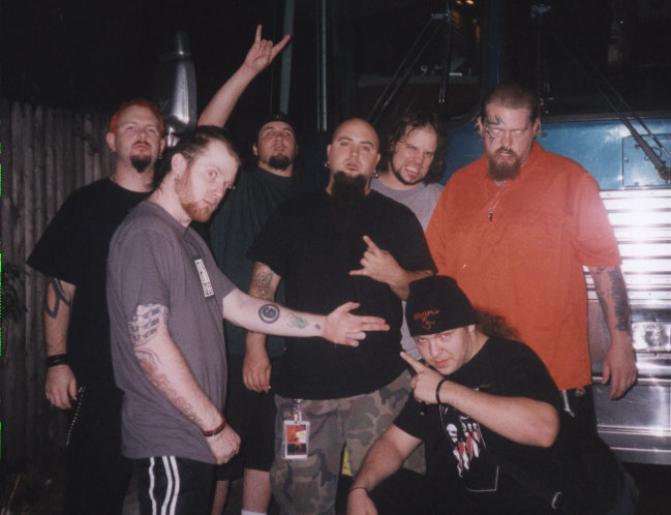
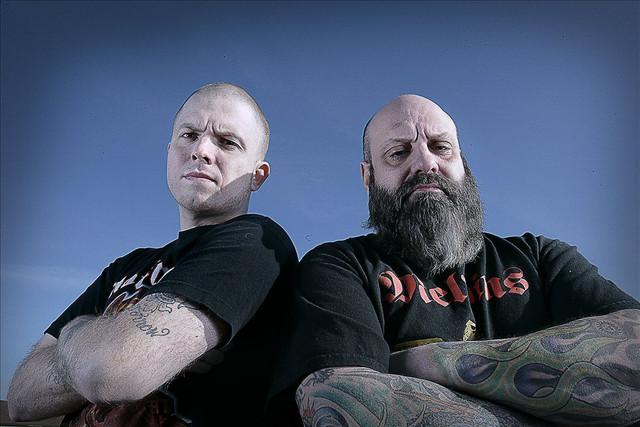
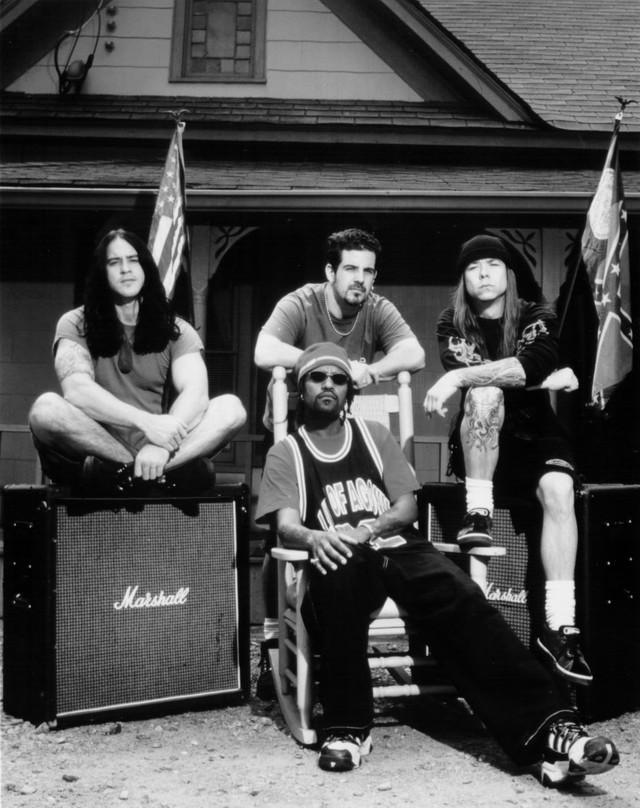
Skinlab’s Spotify BioSkinlab is an alternative metal band formed in San Francisco in September 1995 by bassist/vocalist Steev Esquivel and guitarist Mike Roberts; the group also includes guitarist Gary Wendt and drummer Paul Hopkins. The intense, ultra-heavy riffing showcased on their demo tapes got them a contract with Century Media, which issued their debut album, Bound, Gagged and Blindfolded, in 1997. However, both guitarists left the group in the wake of the heavy touring that followed; ex-Skrew guitarist Snake and ex-Killing Culture and Laaz Rockit guitarist Scott Sargeant were eventually brought in as replacements. This lineup recorded the 1998 Eyesore EP to tide fans over; the full-length Disembody: The New Flesh appeared in 1999. Sergeant left the group shortly before they decided to step back into the studio, but Glen Telford was quickly plugged into his spot. Hooking together with producer Steve Evetts, the band recorded Revolting Room and released it in the summer of 2002. ~ Steve Huey, Rovi
Viberate is a music analytics platform built for A&Rs, artist managers, labels, booking agents, marketers, and artists.
It helps music professionals track artist growth, analyze audience data, monitor playlist activity, compare artists, follow song performance, and identify opportunities across the music market.
Public artist pages provide a free preview of selected artist data. Paid plans provide access to deeper analytics, historical data, charts, comparisons, playlist tools, exports, alerts, reports, and additional professional features.
Yes. Public Viberate artist pages provide selected artist analytics and music data for free.
Viberate also offers a 7-day free trial of the full platform. A credit card is required to start the trial. The trial includes access to the complete product so users can test deeper artist analytics, historical views, playlist insights, comparisons, charts, exports, alerts, and reporting features before choosing a paid plan.
Viberate provides artist analytics across streaming, playlists, social media, video, radio airplay, songs, and audience markets.
Users can analyze Spotify performance, Spotify and Apple Music playlists, YouTube activity, TikTok and Instagram growth, radio spins, song performance, audience locations, demographics, rankings, and overall artist momentum.
Artist profiles also connect to music charts, similar artists, and comparison tools, helping users benchmark performance and evaluate artists in context.
Viberate updates key artist and track data daily.
For followed artists and tracks, selected data is refreshed multiple times per day. This helps teams monitor playlist changes, streaming movement, audience growth, releases, and campaign performance with more current data.
Update frequency can vary depending on the metric and data source.
Yes. Viberate lets users compare up to five artists side by side across streaming, social media, audience, and engagement metrics.
Users can compare fanbase growth, audience demographics, locations, Spotify performance, social metrics, and other artist data over selected time periods.
Artist comparison can be used for A&R scouting, benchmarking, booking decisions, campaign planning, and evaluating artists with similar audiences or market positions.