Bang

Rock
Hard Rock
Heavy Metal
 Viberate Rank: 330114
 Viberate Rank: 330114
 Monthly ListenersFollowers
 Subscribers
 Followers
 Followers
 FansTop Spotify Songs
| Track | 7-Day Streams | |
|---|---|---|
1 | 902 | |
2 | 748 | |
3 | 566 | |
4 | 491 | |
5 | 324 |
Top YouTube VideosMonthly ListenersFeatured in Playlists| Playlist | Followers | |
|---|---|---|
1 |  FENRIZ METAL Gylve | 32.35K |
2 |  Stoner Rock A-Z boogievan | 24.16K |
3 |  Duster Official Playlist Spotify | 11.63K |
4 |  70s Proto-Metal, Heavy Psych & Obscure Hard Rock Jordan Edrei | 11.27K |
5 | 60s & 70s Hard Rock / Heavy Metal Walrus | 7.34K |
Audience| City | Monthly Listeners | |
|---|---|---|
1 |  | 153 |
2 |  | 102 |
3 | | 77 |
4 |  | 74 |
5 | | 69 |
See full performance history, audience data, playlist activity, rankings, comparisons, and more in Viberate music analytics. Start with a free trial, then continue with a paid plan.
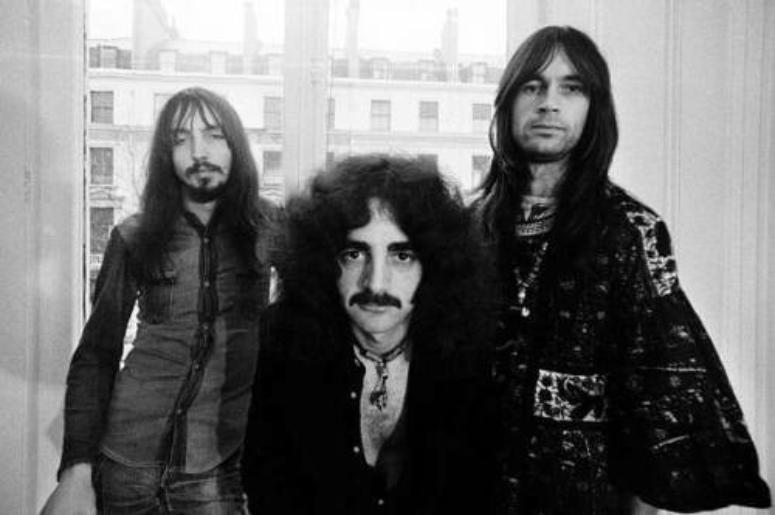
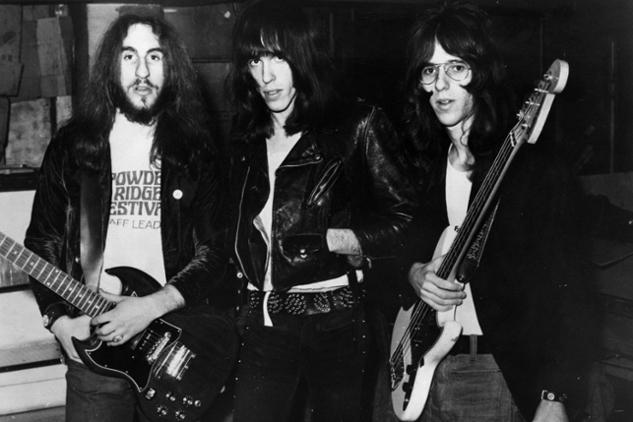
Bang’s Spotify BioAs the saying goes, many are called but only a few are chosen, and that certainly applies to Bang's disappointing career in the big picture of early-'70s hard rock and heavy metal. Briefly hyped as top contenders fighting for scene supremacy, and once praised as America's answer to Black Sabbath, the power trio quickly saw its promise squandered, instead, due to their own inexperience and overbearing managerial intervention that diluted Bang's original musical vision and derailed their bid for success within a few short years.
Bang's story began in Philadelphia, Pennsylvania with high school friends Frank Ferrara (vocals/bass) and Frankie Glicken (guitar, vocals). Aged just 16 and soon-to-be dropouts, the pair linked up with experienced drummer and lyricist Tony Diorio (their senior by nearly a decade) in the fall of 1969, and set about rehearsing covers and original material inspired by rising heavy rock groups like Black Sabbath, Grand Funk Railroad, and Led Zeppelin. Early shows by… what was then called the Magic Band also featured a proper lead singer and several different keyboard players, but only the core trio was willing and able to endure the ensuing 18 months of basement woodshedding, while composing an ambitious conceptual suite entitled Death of a Country. When the newly renamed Bang finally emerged from this subterranean apprenticeship in early 1971, their naïve self-assurance knew no bounds; so a friendly tip was all it took to send them off to Florida, where they talked themselves into an opening slot for the Faces and Deep Purple in Orlando, and impressed the concert booker enough for him to take a chance on managing them. Thanks to his connections, Bang spent the entire summer performing all over the eastern seaboard and then repaired to Miami's Criteria Studios in August to record the aforementioned Death of a Country album, confident it would land them the major-label contract they so coveted. They were right about that first part, at least, since Capitol Records indeed agreed to sign Bang to a four-album deal, but then refused to release their independent recording, which, in fairness, revealed a band still honing its heavy rock chops with a lot of cynical flower child nonsense (Death of a Country would only see the light of day some 40 years later, as part of Rise Above's career-spanning Bang box set).
Luckily, Bang's next trip into the studio did in fact result in their eponymous Capitol debut, which was unveiled to the buying public in February 1972. Filled with virtually all-new material and boasting a much more direct and modern hard rock style (bye-bye psychedelia), its songs were clearly indebted to primary heroes Black Sabbath, but also stood up in their own right. The LP's first single, "Questions," steadily climbed into the Billboard Hot 100, but stalled at number 90, around the same time that Capitol was coincidentally undergoing an internal overhaul, leaving Bang no other option than to get to work on their sophomore album. Sadly, the recording of the Mother/Bow to the King LP saw drummer Tony Diorio, first sidelined by session musicians, then ejected from Bang due to external pressures that also forced the group to take some of their songs in more commercial directions. Adding insult to injury, the album's chosen single was a sonically uncharacteristic cover of the Guess Who B-side, "No Sugar Tonight," which alienated existing fans and went nowhere on the radio, losing whatever interest Capitol's new regime still had in Bang's future. In a show of good faith (to each other, anyway), the band's two Franks decided to bring back ousted drummer Diorio as their new manager and secured more studio time in 1973 to record a new album to be named simply Music. Sadly, though their label had clearly already turned its back on them, Bang proceeded to disfigure their initial musical vision of their own volition, with a series of concise power pop tunes, hardly touching on hard rock at all, and ultimately sounding more like Big Star than Black Sabbath. As such, the end results weren't necessarily bad -- just unexpected -- and the gambit simply didn't work, in any case; Bang's touring options dried up and Capitol's patience ran out following a final single recording that was never actually released. Bang's career went out, not with a, well, bang, but with a barely audible sigh.
Thereafter, the members of Bang dispersed to pursue other projects, but surprisingly reunited in 1996 and released a new album -- chock-full of good ol' heavy metal, naturally -- called Return to Zer0 in 1999, then followed it with another named The Maze five years later. In 2011, England's Rise Above label compiled the comprehensive box set Bullets. ~ Eduardo Rivadavia, Rovi
Viberate is a music analytics platform built for A&Rs, artist managers, labels, booking agents, marketers, and artists.
It helps music professionals track artist growth, analyze audience data, monitor playlist activity, compare artists, follow song performance, and identify opportunities across the music market.
Public artist pages provide a free preview of selected artist data. Paid plans provide access to deeper analytics, historical data, charts, comparisons, playlist tools, exports, alerts, reports, and additional professional features.
Yes. Public Viberate artist pages provide selected artist analytics and music data for free.
Viberate also offers a 7-day free trial of the full platform. A credit card is required to start the trial. The trial includes access to the complete product so users can test deeper artist analytics, historical views, playlist insights, comparisons, charts, exports, alerts, and reporting features before choosing a paid plan.
Viberate provides artist analytics across streaming, playlists, social media, video, radio airplay, songs, and audience markets.
Users can analyze Spotify performance, Spotify and Apple Music playlists, YouTube activity, TikTok and Instagram growth, radio spins, song performance, audience locations, demographics, rankings, and overall artist momentum.
Artist profiles also connect to music charts, similar artists, and comparison tools, helping users benchmark performance and evaluate artists in context.
Viberate updates key artist and track data daily.
For followed artists and tracks, selected data is refreshed multiple times per day. This helps teams monitor playlist changes, streaming movement, audience growth, releases, and campaign performance with more current data.
Update frequency can vary depending on the metric and data source.
Yes. Viberate lets users compare up to five artists side by side across streaming, social media, audience, and engagement metrics.
Users can compare fanbase growth, audience demographics, locations, Spotify performance, social metrics, and other artist data over selected time periods.
Artist comparison can be used for A&R scouting, benchmarking, booking decisions, campaign planning, and evaluating artists with similar audiences or market positions.