Hard Stuff

Rock
Hard Rock
Alternative Rock
 Viberate Rank: 312453
 Viberate Rank: 312453
 Monthly ListenersFollowers
 Subscribers
 Followers
 Followers
 FansTop Spotify Songs
| Track | 7-Day Streams | |
|---|---|---|
1 | 681 | |
2 | 280 | |
3 | 230 | |
4 | 199 | |
5 | 199 |
Top YouTube VideosMonthly ListenersFeatured in Playlists| Playlist | Followers | |
|---|---|---|
1 |  70s Proto-Metal, Heavy Psych & Obscure Hard Rock Jordan Edrei | 11.27K |
2 | Stoner Rock/Stoner Metal/Heavy Psych/Occult (old vs new) ragazzo-gr | 5.34K |
3 |  60s & 70s Underground Rock Bobby Floccari | 5.04K |
4 |  '60s-'70s occult rock and horror folk 🧿 dialectic ego death 🧿 | 4.33K |
5 | Proto-Metal Classics Andrew J McKiernan | 3.91K |
Audience| City | Monthly Listeners | |
|---|---|---|
1 |  | 46 |
2 |  | 43 |
3 | | 33 |
4 | | 27 |
5 |  | 26 |
See full performance history, audience data, playlist activity, rankings, comparisons, and more in Viberate music analytics. Start with a free trial, then continue with a paid plan.
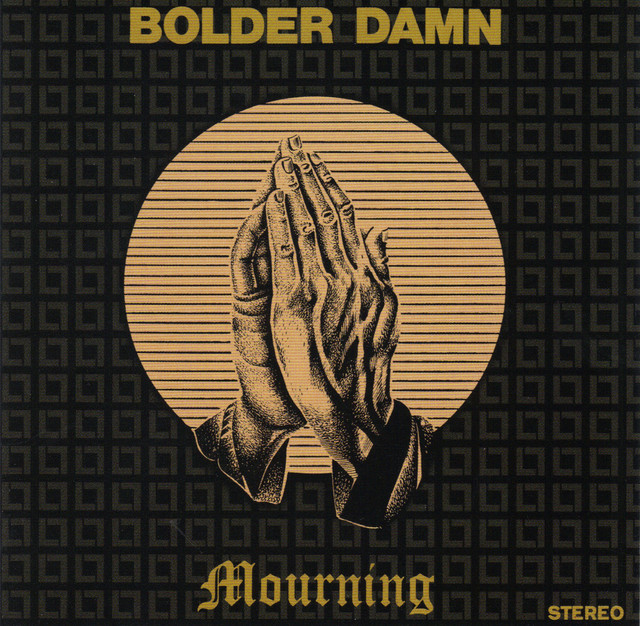
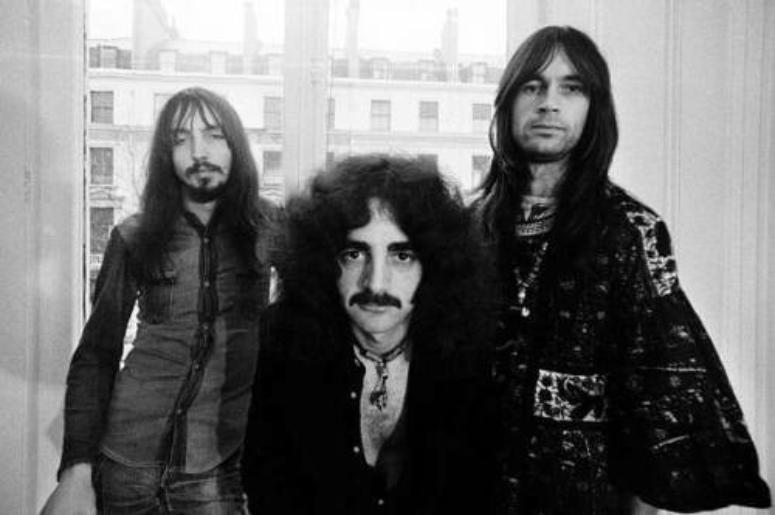
Hard Stuff’s Spotify BioFormed in London, England, in 1972, Hard Stuff comprised John Cann (guitar/vocals), Paul Hammond (drums) - both formerly of Atomic Rooster - and John Gustafson (bass; ex-Quatermass). They secured a recording contract with Purple Records, a label owned by Deep Purple, for which they completed two heavy, power trio styled, selections. Hard Stuff supported Captain Beefheart And His Magic Band on a 1973 UK tour, a musical mismatch which did much to undermine the British band’s emergent reputation. They split up in 1973, after which Gustafson became an in-demand session musician. Cann later enjoyed a novelty hit, ‘Don’t Be A Dummy’ (1979), under the name John Du Cann.
Viberate is a music analytics platform built for A&Rs, artist managers, labels, booking agents, marketers, and artists.
It helps music professionals track artist growth, analyze audience data, monitor playlist activity, compare artists, follow song performance, and identify opportunities across the music market.
Public artist pages provide a free preview of selected artist data. Paid plans provide access to deeper analytics, historical data, charts, comparisons, playlist tools, exports, alerts, reports, and additional professional features.
Yes. Public Viberate artist pages provide selected artist analytics and music data for free.
Viberate also offers a 7-day free trial of the full platform. A credit card is required to start the trial. The trial includes access to the complete product so users can test deeper artist analytics, historical views, playlist insights, comparisons, charts, exports, alerts, and reporting features before choosing a paid plan.
Viberate provides artist analytics across streaming, playlists, social media, video, radio airplay, songs, and audience markets.
Users can analyze Spotify performance, Spotify and Apple Music playlists, YouTube activity, TikTok and Instagram growth, radio spins, song performance, audience locations, demographics, rankings, and overall artist momentum.
Artist profiles also connect to music charts, similar artists, and comparison tools, helping users benchmark performance and evaluate artists in context.
Viberate updates key artist and track data daily.
For followed artists and tracks, selected data is refreshed multiple times per day. This helps teams monitor playlist changes, streaming movement, audience growth, releases, and campaign performance with more current data.
Update frequency can vary depending on the metric and data source.
Yes. Viberate lets users compare up to five artists side by side across streaming, social media, audience, and engagement metrics.
Users can compare fanbase growth, audience demographics, locations, Spotify performance, social metrics, and other artist data over selected time periods.
Artist comparison can be used for A&R scouting, benchmarking, booking decisions, campaign planning, and evaluating artists with similar audiences or market positions.