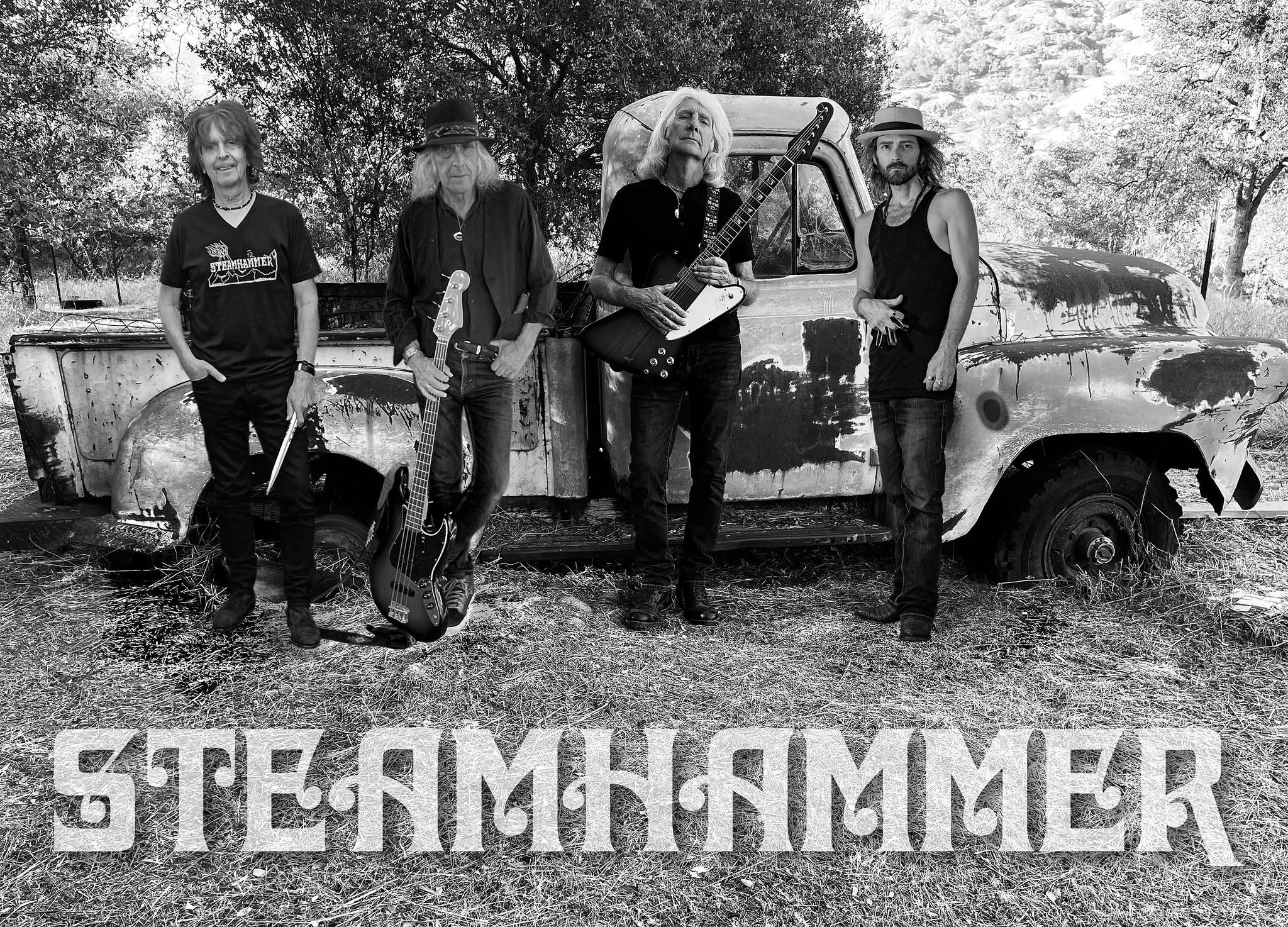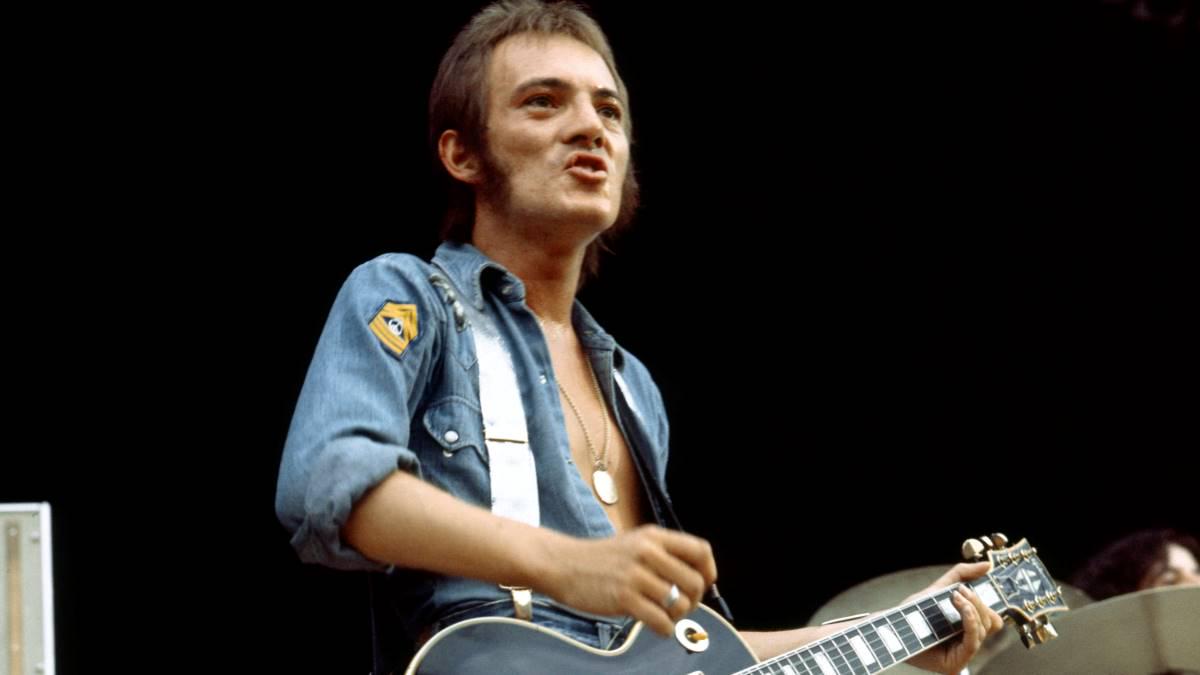
Steve Marriott

Blues
Blues Rock
Progressive Rock
 Viberate Rank: 196801
 Viberate Rank: 196801
 Monthly ListenersFollowers
 Subscribers
 Followers
 Followers
 FansTop Spotify Songs
| Track | 7-Day Streams | |
|---|---|---|
1 | 3.13K | |
2 | 1.10K | |
3 | 292 | |
4 | 256 | |
5 | 188 |
Top YouTube VideosMonthly ListenersFeatured in Playlists| Playlist | Followers | |
|---|---|---|
1 |  Guitar instrumental covers Guillaume | 29.44K |
2 |  Dazed and Confused Ricardo Márquez | 17.58K |
3 |  Liberty Rock Radio (GTAIV & EFLC) Rockstar Games | 15.37K |
4 |  Slow Guitar Blues Hakon Stefansson | 11.43K |
5 | Mi casa es la tuya - Bertín Osborne Max Millares | 9.24K |
Audience| City | Monthly Listeners | |
|---|---|---|
1 | | 156 |
2 |  | 74 |
3 | | 66 |
4 |  | 58 |
5 | | 55 |
See full performance history, audience data, playlist activity, rankings, comparisons, and more in Viberate music analytics. Start with a free trial, then continue with a paid plan.
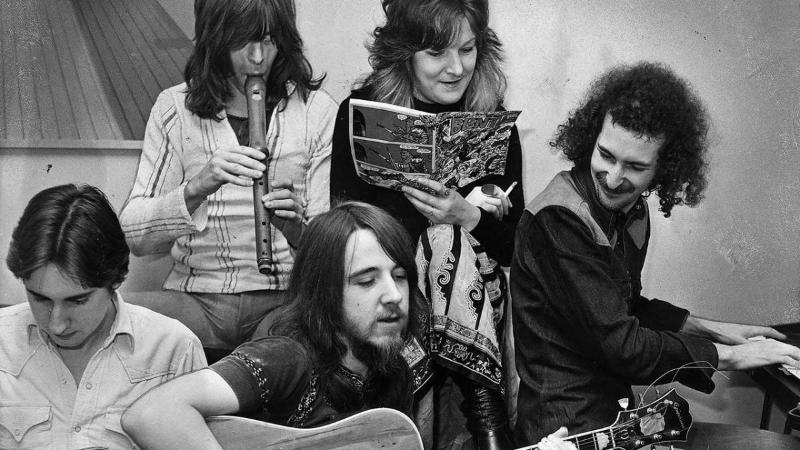
Steve Marriott’s Spotify BioThe frontman for British hitmakers the Small Faces and Humble Pie, singer/guitarist Steve Marriott was born January 30, 1947 in London; a successful child actor, he played the role of the Artful Dodger in the musical Oliver! as a teen, but by the mid-'60s, he was working in a local music shop. There he met bassist Ronnie Lane, agreeing to jam with his band the Pioneers; Marriott soon joined the group full-time and, after adopting a sound influenced by American R&B and a look inspired by Mod fashions, they rechristened themselves the Small Faces. Though best-known in the U.S. for their hit "Itchycoo Park," at home, the Small Faces enjoyed much greater success, reeling off a series of smashes including "All or Nothing," "My Mind's Eye," and "Lazy Sunday" as well as the 1968 classic LP Ogden's Nut Gone Flake. The chart popularity of "Lazy Sunday" rankled Marriott, however -- he'd recorded the song as a joke and it was released despite his objections -- and when the more thoughtful "The… Universal" failed to crack the Top 20, his dissatisfaction only increased.
Marriott's tenure with the Small Faces ended after he stalked offstage during a New Year's Day 1969 performance; he soon recruited ex-Herd guitarist Peter Frampton to form the hard rock combo Humble Pie, and after months of woodshedding at Marriott's Essex cottage, the group issued its debut single, "Natural Born Boogie," cracking the U.K. Top Five. The LP As Safe as Yesterday Is followed, but again American success eluded Marriott until the release of the 1971 Humble Pie live album Performance: Rockin' the Fillmore, which went gold. Although Frampton left the band soon after, 1972's Smokin' was a smash, reaching the U.S. Top Ten; subsequent efforts failed to achieve the same heights, however, and Humble Pie disbanded in 1975. After the release of the solo Marriott, in 1976, he joined in a Small Faces reunion, then four years later re-formed Humble Pie with original drummer Jerry Shirley; after two LPs, the group again dissolved. Marriott spent the better part of the decade in seclusion, but was planning to reunite with Frampton when he lost his life in a house fire on April 20, 1991. ~ Jason Ankeny, Rovi
Viberate is a music analytics platform built for A&Rs, artist managers, labels, booking agents, marketers, and artists.
It helps music professionals track artist growth, analyze audience data, monitor playlist activity, compare artists, follow song performance, and identify opportunities across the music market.
Public artist pages provide a free preview of selected artist data. Paid plans provide access to deeper analytics, historical data, charts, comparisons, playlist tools, exports, alerts, reports, and additional professional features.
Yes. Public Viberate artist pages provide selected artist analytics and music data for free.
Viberate also offers a 7-day free trial of the full platform. A credit card is required to start the trial. The trial includes access to the complete product so users can test deeper artist analytics, historical views, playlist insights, comparisons, charts, exports, alerts, and reporting features before choosing a paid plan.
Viberate provides artist analytics across streaming, playlists, social media, video, radio airplay, songs, and audience markets.
Users can analyze Spotify performance, Spotify and Apple Music playlists, YouTube activity, TikTok and Instagram growth, radio spins, song performance, audience locations, demographics, rankings, and overall artist momentum.
Artist profiles also connect to music charts, similar artists, and comparison tools, helping users benchmark performance and evaluate artists in context.
Viberate updates key artist and track data daily.
For followed artists and tracks, selected data is refreshed multiple times per day. This helps teams monitor playlist changes, streaming movement, audience growth, releases, and campaign performance with more current data.
Update frequency can vary depending on the metric and data source.
Yes. Viberate lets users compare up to five artists side by side across streaming, social media, audience, and engagement metrics.
Users can compare fanbase growth, audience demographics, locations, Spotify performance, social metrics, and other artist data over selected time periods.
Artist comparison can be used for A&R scouting, benchmarking, booking decisions, campaign planning, and evaluating artists with similar audiences or market positions.