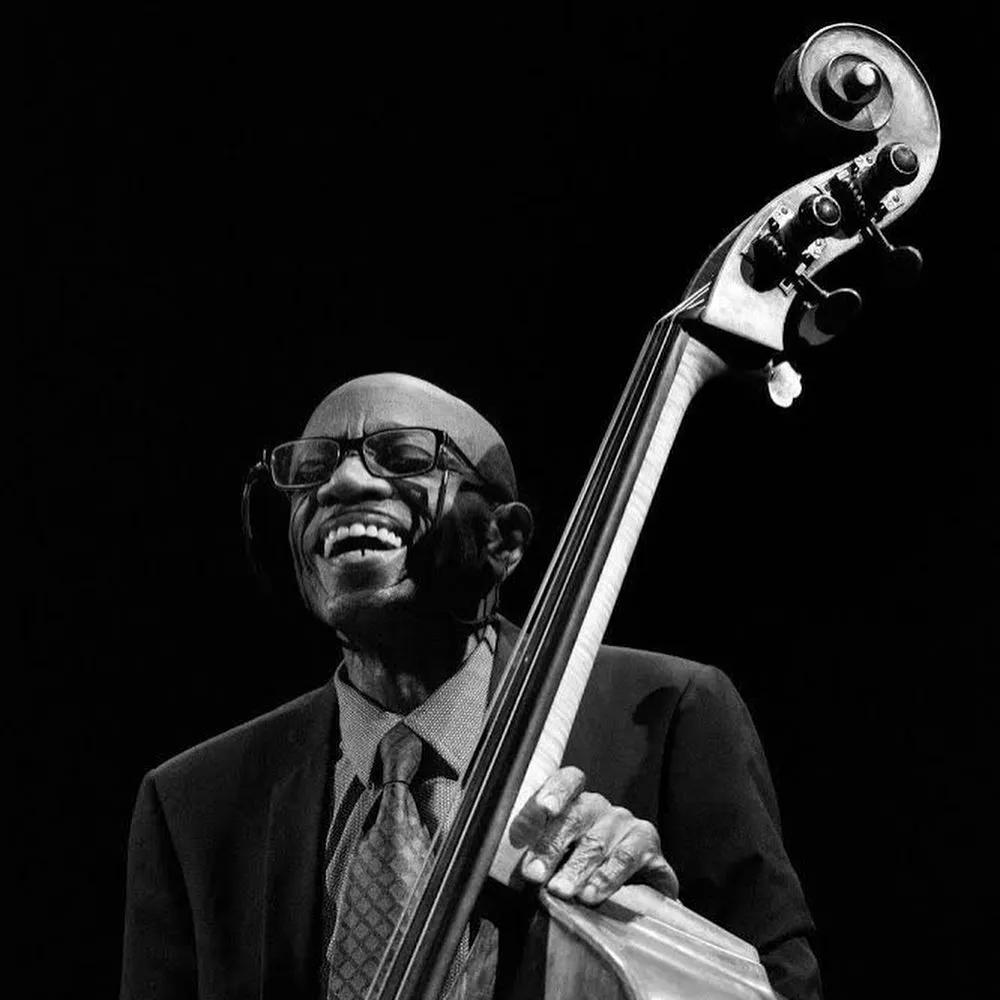
Steve Lacy

Jazz
Avant-garde Jazz
Free Jazz
 Viberate Rank: 203827
 Viberate Rank: 203827
 Monthly ListenersFollowers
 Subscribers
 Followers
 Followers
 FansTop Spotify Songs
| Track | 7-Day Streams | |
|---|---|---|
1 | 419 | |
2 | 377 | |
3 | 275 | |
4 | 248 | |
5 | 247 |
Top YouTube VideosMonthly ListenersFeatured in Playlists| Playlist | Followers | |
|---|---|---|
1 |  The NTS Breakfast Show w/ Flo - NTS NTS ᵇᵒᵗ (killed 2026/03) | 12.70K |
2 |  The Sound of Free Jazz The Sounds of Spotify | 10.46K |
3 | Recommended performances from Ted Gioia's book 'The Jazz Standards' jhiggy58 | 8.57K |
4 | Eternal Sunshine Of The Spotless Mind Jessica Basile | 8.09K |
5 |  NTS Breakfastshow with Flo Dill Sebastian We | 6.10K |
Audience| City | Monthly Listeners | |
|---|---|---|
1 | | 113 |
2 | | 93 |
3 |  | 88 |
4 | | 88 |
5 |  | 67 |
See full performance history, audience data, playlist activity, rankings, comparisons, and more in Viberate music analytics. Start with a free trial, then continue with a paid plan.
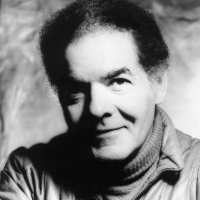
Steve Lacy’s Spotify BioOne of the great soprano saxophonists of all time (ranking up there with Sidney Bechet and John Coltrane), Steve Lacy's career was fascinating to watch develop. He originally doubled on clarinet and soprano (dropping the former by the mid-'50s), inspired by Bechet, and played Dixieland in New York with Rex Stewart, Cecil Scott, Red Allen, and other older musicians during 1952-1955. He debuted on record in a modernized Dixieland format with Dick Sutton in 1954. However, Lacy soon jumped over several styles to play free jazz with Cecil Taylor during 1955-1957. They recorded together and performed at the 1957 Newport Jazz Festival. Lacy recorded with Gil Evans in 1957 (they would work together on an irregular basis into the 1980s), was with Thelonious Monk's quintet in 1960 for four months, and then formed a quartet with Roswell Rudd (1961-1964) that exclusively played Monk's music; only one live set (for Emanen in 1963) resulted from that very interesting group.
Lacy, who is considered… the first "modern" musician to specialize on soprano (an instrument that was completely neglected during the bop era), began to turn toward avant-garde jazz in 1965. He had a quartet with Enrico Rava that spent eight months in South America. After a year back in New York, he permanently moved to Europe in 1967 with three years in Italy preceding a move to Paris. Lacy's music evolved from free form to improvising off of his scalar originals. By 1977 he had a regular group with whom he continued to perform throughout his career, featuring Steve Potts on alto and soprano, Lacy's wife, violinist/singer Irene Aebi, bassist Kent Carter (later succeeded by Jean-Jacques Avenel), and drummer Oliver Johnson; pianist Bobby Few joined the group in the 1980s. Lacy, who also worked on special projects with Gil Evans, Mal Waldron, and Misha Mengelberg, among others, and in situations ranging from solo soprano concerts, many Monk tributes, big bands, and setting poetry to music, recorded a countless number of sessions for almost as many labels, with Sands appearing on Tzakik in 1998 and Cry on SoulNote in 1999. His early dates (1957-1961) were for Prestige, New Jazz, and Candid and later on he appeared most notably on sessions for Hat Art, Black Saint/Soul Note, and Novus. Lacy, who had been suffering with cancer for several years, passed away in June of 2004. His legacy continues to grow, however, as various live shows from throughout his career are issued. ~ Scott Yanow, Rovi
Viberate is a music analytics platform built for A&Rs, artist managers, labels, booking agents, marketers, and artists.
It helps music professionals track artist growth, analyze audience data, monitor playlist activity, compare artists, follow song performance, and identify opportunities across the music market.
Public artist pages provide a free preview of selected artist data. Paid plans provide access to deeper analytics, historical data, charts, comparisons, playlist tools, exports, alerts, reports, and additional professional features.
Yes. Public Viberate artist pages provide selected artist analytics and music data for free.
Viberate also offers a 7-day free trial of the full platform. A credit card is required to start the trial. The trial includes access to the complete product so users can test deeper artist analytics, historical views, playlist insights, comparisons, charts, exports, alerts, and reporting features before choosing a paid plan.
Viberate provides artist analytics across streaming, playlists, social media, video, radio airplay, songs, and audience markets.
Users can analyze Spotify performance, Spotify and Apple Music playlists, YouTube activity, TikTok and Instagram growth, radio spins, song performance, audience locations, demographics, rankings, and overall artist momentum.
Artist profiles also connect to music charts, similar artists, and comparison tools, helping users benchmark performance and evaluate artists in context.
Viberate updates key artist and track data daily.
For followed artists and tracks, selected data is refreshed multiple times per day. This helps teams monitor playlist changes, streaming movement, audience growth, releases, and campaign performance with more current data.
Update frequency can vary depending on the metric and data source.
Yes. Viberate lets users compare up to five artists side by side across streaming, social media, audience, and engagement metrics.
Users can compare fanbase growth, audience demographics, locations, Spotify performance, social metrics, and other artist data over selected time periods.
Artist comparison can be used for A&R scouting, benchmarking, booking decisions, campaign planning, and evaluating artists with similar audiences or market positions.