Ted Curson

Jazz
Bebop
Avant-garde Jazz
 Viberate Rank: 469481
 Viberate Rank: 469481
 Monthly ListenersFollowers
 Subscribers
 Followers
 Followers
 FansTop Spotify Songs
| Track | 7-Day Streams | |
|---|---|---|
1 | 189 | |
2 | 70 | |
3 | 68 | |
4 | 50 | |
5 | 40 |
Top YouTube VideosMonthly ListenersFeatured in Playlists| Playlist | Followers | |
|---|---|---|
1 | jazz,funk,soul,blues,afrobeat,latin İlker Özalp | 11.48K |
2 |  Mystery Train with John Kelly rtelyricfm | 5.57K |
3 |  Rudy Van Gelder majorlance | 4.41K |
4 |  The best of Polish Jazz Polish Jazz | 3.25K |
5 |  Polish Jazz vol.0-89 Jakub Duran | 3.01K |
Audience| City | Monthly Listeners | |
|---|---|---|
1 | | 19 |
2 | | 13 |
3 | | 13 |
4 |  | 12 |
5 |  | 9 |
See full performance history, audience data, playlist activity, rankings, comparisons, and more in Viberate music analytics. Start with a free trial, then continue with a paid plan.
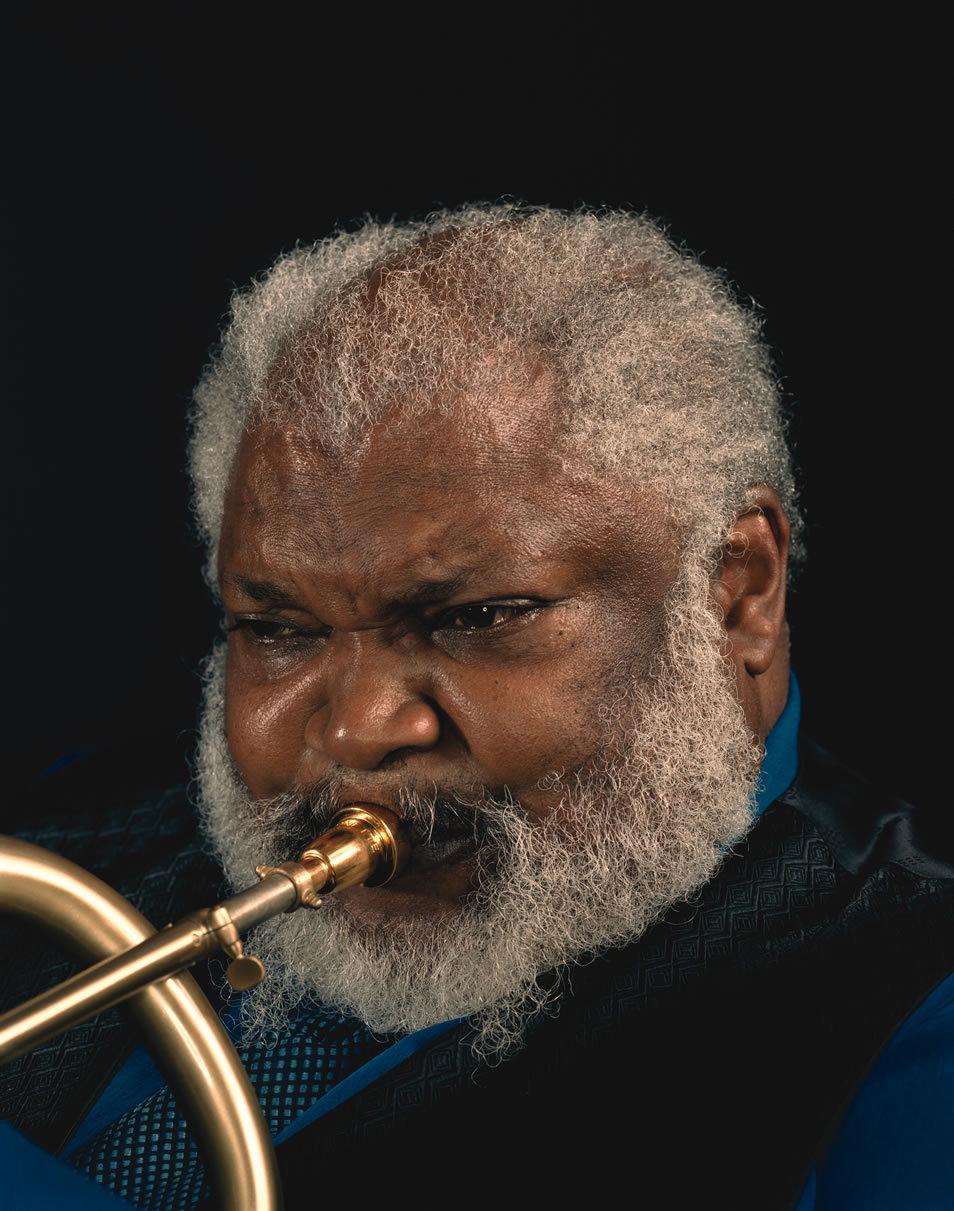
Ted Curson’s Spotify BioAn excellent and flexible trumpeter, Ted Curson will always be best known for his work with Charles Mingus' 1960 quartet (which also included Eric Dolphy and Dannie Richmond). He studied at Granoff Musical Conservatory; moved to New York in 1956; played in New York with Mal Waldron, Red Garland, and Philly Joe Jones; and recorded with Cecil Taylor (1961). After the 1959-1960 Mingus association (which resulted in some classic recordings), Curson co-led a quintet with Bill Barron (1960-1965), played with Max Roach, and led his own groups. He spent time from the late '60s on in Europe (particularly Denmark) but had a lower profile than one would expect after returning to the U.S. in 1976. He led sessions for Old Town (1961), Prestige, Fontana, Atlantic, Arista, Inner City, Interplay, Chiaroscuro, and several European labels. Curson died of a heart attack on November 4, 2012. He was 77 years old. ~ Scott Yanow, Rovi
Viberate is a music analytics platform built for A&Rs, artist managers, labels, booking agents, marketers, and artists.
It helps music professionals track artist growth, analyze audience data, monitor playlist activity, compare artists, follow song performance, and identify opportunities across the music market.
Public artist pages provide a free preview of selected artist data. Paid plans provide access to deeper analytics, historical data, charts, comparisons, playlist tools, exports, alerts, reports, and additional professional features.
Yes. Public Viberate artist pages provide selected artist analytics and music data for free.
Viberate also offers a 7-day free trial of the full platform. A credit card is required to start the trial. The trial includes access to the complete product so users can test deeper artist analytics, historical views, playlist insights, comparisons, charts, exports, alerts, and reporting features before choosing a paid plan.
Viberate provides artist analytics across streaming, playlists, social media, video, radio airplay, songs, and audience markets.
Users can analyze Spotify performance, Spotify and Apple Music playlists, YouTube activity, TikTok and Instagram growth, radio spins, song performance, audience locations, demographics, rankings, and overall artist momentum.
Artist profiles also connect to music charts, similar artists, and comparison tools, helping users benchmark performance and evaluate artists in context.
Viberate updates key artist and track data daily.
For followed artists and tracks, selected data is refreshed multiple times per day. This helps teams monitor playlist changes, streaming movement, audience growth, releases, and campaign performance with more current data.
Update frequency can vary depending on the metric and data source.
Yes. Viberate lets users compare up to five artists side by side across streaming, social media, audience, and engagement metrics.
Users can compare fanbase growth, audience demographics, locations, Spotify performance, social metrics, and other artist data over selected time periods.
Artist comparison can be used for A&R scouting, benchmarking, booking decisions, campaign planning, and evaluating artists with similar audiences or market positions.