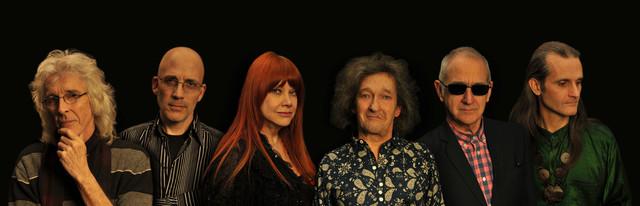
Steve Howe

Rock
Progressive Rock
Hard Rock
Psychedelic Rock
 Viberate Rank: 105130
 Viberate Rank: 105130
 Monthly ListenersFollowers
 Subscribers
 Followers
 Followers
 FansTop Spotify Songs
| Track | 7-Day Streams | |
|---|---|---|
1 | 5.75K | |
2 | 3.30K | |
3 | 771 | |
4 | 698 | |
5 | 666 |
Top YouTube VideosMonthly ListenersFeatured in Playlists| Playlist | Followers | |
|---|---|---|
1 |  Prog Rock Monsters Spotify | 391.03K |
2 |  Cheat Sheet: J Dilla Okayplayer | 26.94K |
3 | Progressive Rock Geraldo Adami | 8.04K |
4 | Progressive Rock the man | 7.73K |
5 | Jazz Fusion, Progressive Rock, & Jam Bands Curator Seedpicker | 7.16K |
Audience| City | Monthly Listeners | |
|---|---|---|
1 |  | 562 |
2 |  | 437 |
3 |  | 342 |
4 | | 297 |
5 |  | 241 |
See full performance history, audience data, playlist activity, rankings, comparisons, and more in Viberate music analytics. Start with a free trial, then continue with a paid plan.
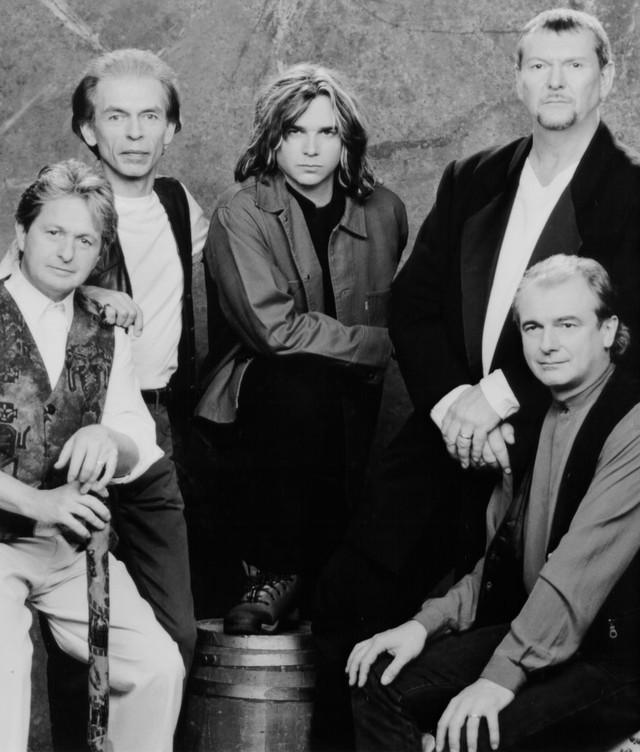
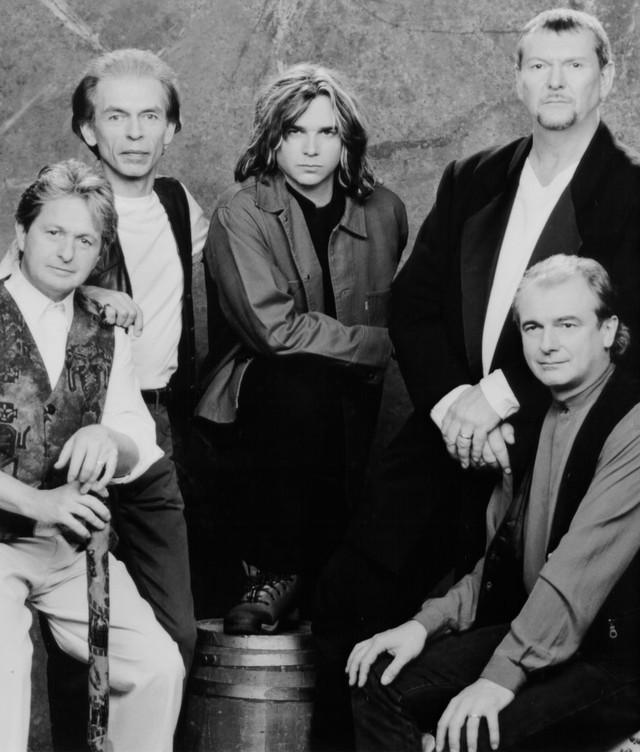
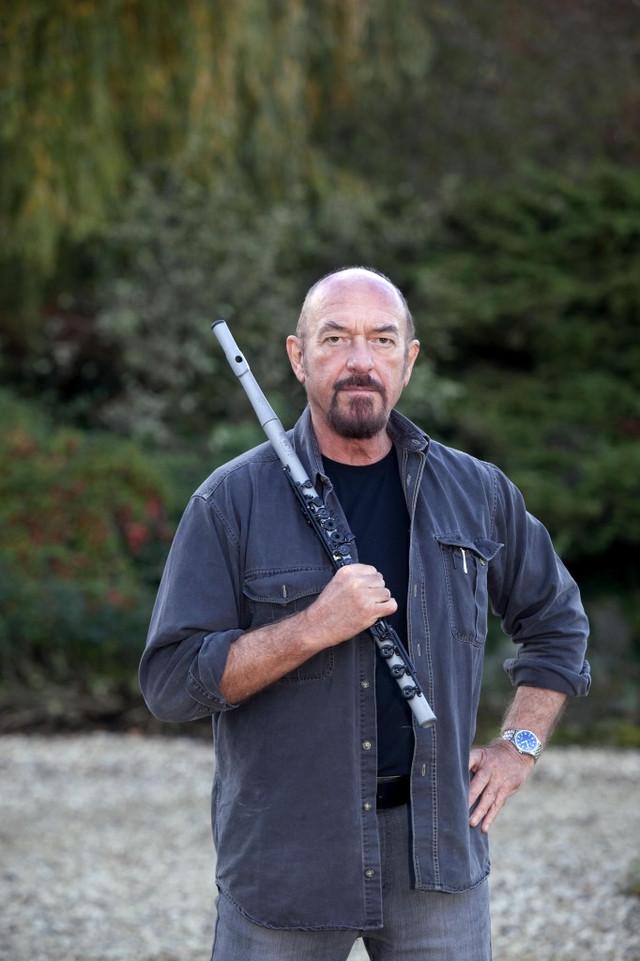
Steve Howe’s Spotify BioAfter stints in the R&B band the Syndicats and psychedelic rockers Tomorrow (who released the classic single "My White Bicycle"), Steve Howe replaced Peter Banks in Yes in March of 1970. His adventurous playing -- drawing on his love of jazz, ragtime, and rock & roll -- was perfectly suited to the elaborately arranged, quasi-symphonic epics the band was creating. When Yes temporarily folded in 1981, Howe helped form Asia, a supergroup that proved remarkably successful, particularly in America, where their debut, Asia, was number one for nine weeks and "Heat of the Moment" stormed the Top Ten. Alongside his numerous solo albums and work in side projects including GTR, Howe has also performed and recorded with his sons, first with Dylan and Ross Stanley as the Steve Howe Trio, and later with Virgil for the 2017 album Nexus, released after Virgil's death earlier that year. Following the 2020 solo release Love Is, Howe completed Lunar Mist, a second duo album with his late son, from… previously unreleased material.
Steve Howe was born in London on April 8, 1947. When he began playing guitar he had quite a few influences, chief among them Chet Atkins. When you consider that two of the others were Django Reinhardt and the duo of Les Paul & Mary Ford, it's hard to believe that he would become one of the most influential guitarists in progressive rock. In fact, his first band was a Chuck Berry-infused outfit called the Syndicats. He began playing with that group in 1964, and they released several singles before Howe left them. His next band was the In Crowd, which eventually became Tomorrow. Under the new name they released two singles in 1967 and a self-titled album the following year. When the group broke up in 1968, Howe joined a band called Bodast. Bodast built up quite a following and recorded an album. However, when their label went bankrupt, their still-unreleased album was scrapped and the band eventually became a casualty, breaking up shortly thereafter. The album would not see release until 1981. After Bodast, Howe began trying to find his next band. Auditions with such groups as the Nice and Jethro Tull were unfruitful. As fate would have it, his next band would come looking for him.
By 1970, Howe had caught the ear of several members of Yes, who had released two albums but weren't happy with their present guitarist, Peter Banks, and asked Howe to be their new guitarist. The first slab he recorded with them was 1970's The Yes Album. It would garner them respectable commercial and critical attention, but when the follow-up, Fragile, came out in 1972 with the hit single "Roundabout," the group and Howe were fully propelled into the limelight. Howe stayed with the band until their breakup in 1980. He also released two solo albums during that time, 1976's Beginnings and The Steve Howe Album in 1979. After Yes went their separate ways, Howe, along with Yes-mate Geoff Downes, formed Asia. The group, also comprising John Wetton (King Crimson, U.K.) and Carl Palmer (Atomic Rooster, Emerson, Lake & Palmer) was something of a progressive rock supergroup. Howe remained with the band through their first two albums, Asia and Alpha, released in 1982 and 1983, respectively. He then left the group, although he has worked with them as a guest from time to time since. His next band was GTR, formed in 1986. This group was also sort of a supergroup, featuring both Howe and Steve Hackett (formerly of Genesis). That group didn't stay together long, either, only releasing one studio album. Given this, it seems fate was pushing Howe back into the Yes camp.
By this time, several changes had happened with Yes. The group had reunited without Howe and done two very commercial-leaning albums, one of them (90125) became the group's biggest seller to date. Also by then, Jon Anderson had once again left the group, citing a desire to do less commercial material. So Yes veterans Bill Bruford and Rick Wakeman formed a new band. They wanted to continue to call it Yes, but bassist Chris Squire owned the rights to that name, so they went with the simplicity of their four last names and Anderson, Bruford, Wakeman, & Howe was born. Under that moniker, they released one self-titled album in 1989. Then, in a rather unusual turn of events -- while they were working on their follow-up album -- they were mixed into the other lineup of Yes, creating an eight-piece version of the band. The group released the Union album in 1991 and went out on a full-scale world tour to rave reviews. The line-up would not last, though, and Howe was once again a "former Yes member" shortly after the tour. He pursued a solo career for the next several years, releasing six albums before rejoining Yes again in 1995. Never idle, even after years of tenures in various bands, he's found time to release a large number of solo albums, and worked on projects by artists as diverse as Lou Reed, Queen, Billy Currie, Dixie Dregs, Frankie Goes to Hollywood, Fish, and Explorer's Club, as well as his work with the Steve Howe Trio, who released the album Travelling in 2010. Over the next few years, he added to a series of solo recordings called Homebrew and released a full-length instrumental album called Time in 2011. Between 2006 and 2012, Howe also participated in a number or reunion tours and new recordings with Asia before leaving the band in 2013 to again focus on Yes and his various solo pursuits. 2015 saw the release of both a new Homebrew album and Anthology, a two-disc retrospective of his solo work. In 2017, he completed sessions with his son Virgil Howe on a duo album titled Nexus. In September of that year, just prior to its release, Virgil died suddenly of a heart attack. After delivering the 2020 solo set, Love Is, Howe dove into his late son's archives hoping to further honor their collaboration with a posthumous follow-up. Anchored by an unreleased outtake from their previous album together, 2022's Lunar Mist was completed by Howe with his son's unfinished recordings. ~ Gary Hill, Rovi
Viberate is a music analytics platform built for A&Rs, artist managers, labels, booking agents, marketers, and artists.
It helps music professionals track artist growth, analyze audience data, monitor playlist activity, compare artists, follow song performance, and identify opportunities across the music market.
Public artist pages provide a free preview of selected artist data. Paid plans provide access to deeper analytics, historical data, charts, comparisons, playlist tools, exports, alerts, reports, and additional professional features.
Yes. Public Viberate artist pages provide selected artist analytics and music data for free.
Viberate also offers a 7-day free trial of the full platform. A credit card is required to start the trial. The trial includes access to the complete product so users can test deeper artist analytics, historical views, playlist insights, comparisons, charts, exports, alerts, and reporting features before choosing a paid plan.
Viberate provides artist analytics across streaming, playlists, social media, video, radio airplay, songs, and audience markets.
Users can analyze Spotify performance, Spotify and Apple Music playlists, YouTube activity, TikTok and Instagram growth, radio spins, song performance, audience locations, demographics, rankings, and overall artist momentum.
Artist profiles also connect to music charts, similar artists, and comparison tools, helping users benchmark performance and evaluate artists in context.
Viberate updates key artist and track data daily.
For followed artists and tracks, selected data is refreshed multiple times per day. This helps teams monitor playlist changes, streaming movement, audience growth, releases, and campaign performance with more current data.
Update frequency can vary depending on the metric and data source.
Yes. Viberate lets users compare up to five artists side by side across streaming, social media, audience, and engagement metrics.
Users can compare fanbase growth, audience demographics, locations, Spotify performance, social metrics, and other artist data over selected time periods.
Artist comparison can be used for A&R scouting, benchmarking, booking decisions, campaign planning, and evaluating artists with similar audiences or market positions.