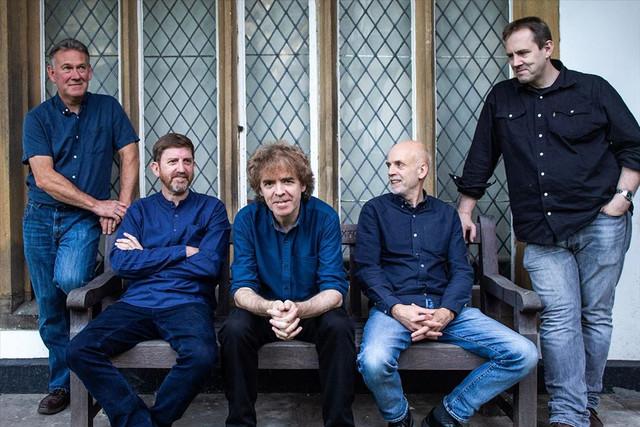
Steve Hackett

Rock
Progressive Rock
 Viberate Rank: 37986
 Viberate Rank: 37986
 Monthly ListenersFollowers
 Subscribers
 Followers
 Followers
 FansTop Spotify Songs
| Track | 7-Day Streams | |
|---|---|---|
1 | 14.61K | |
2 | 10.99K | |
3 | 4.69K | |
4 | 4.45K | |
5 | 4.31K |
Top YouTube Videos| Video | 7-Day Views | |
|---|---|---|
1 | 1.73K | |
2 | 1.15K | |
3 | 1.09K | |
4 | 419 | |
5 | 265 |
Monthly ListenersFeatured in Playlists| Playlist | Followers | |
|---|---|---|
1 |  Prog Rock Spotify | 141.47K |
2 |  The Sound of Everything The Sounds of Spotify | 53.81K |
3 |  Reading fantasy (no vocals) Rachel Mac | 39.85K |
4 |  RITCHIE - AS MELHORES Suvela Music | 37.80K |
5 |  NOVEDADES 2026: LO NUEVO DE SONY MUSIC Filtr Éxitos | 31.60K |
Audience| City | Monthly Listeners | |
|---|---|---|
1 | | 2.06K |
2 |  | 1.84K |
3 |  | 1.29K |
4 |  | 1.12K |
5 |  | 1.11K |
See full performance history, audience data, playlist activity, rankings, comparisons, and more in Viberate music analytics. Start with a free trial, then continue with a paid plan.
Steve Hackett’s Spotify BioSteve Hackett joined Genesis at the beginning of 1971 and gained an international reputation as the guitarist in the band’s classic line-up alongside Peter Gabriel, Tony Banks, Mike Rutherford and Phil Collins. Steve’s intricate guitar work was a key element of Genesis’ albums from Nursery Cryme (1971) to Wind & Wuthering (1977) including the classic Selling England By The Pound (1973).
After leaving Genesis at the end of 1977, Steve’s solo career, which now spans more than 30 albums, has demonstrated his extraordinary versatility with both electric and acoustic guitar. Steve is renowned as both an immensely talented and innovative rock musician and a virtuoso classical guitarist and composer and this was recognised in 2010 when he was inducted into the Rock Hall Of Fame. He has also worked alongside Steve Howe of Yes in the supergroup GTR.
Steve’s compositions take influences from many genres, including jazz, classical and blues. For his later studio works The Night Siren (2017) and At… The Edge Of Light (2019) Steve has explored the influences of world music. Recent tours have seen Steve celebrate his time with Genesis including a spectacular 2018 tour in which Steve realised a long-held ambition to perform the works of Genesis live with his band and an orchestra.
Steve recently announced re-scheduled dates for his Seconds Out +More! 31 date UK tour in September/October 2021.
Viberate is a music analytics platform built for A&Rs, artist managers, labels, booking agents, marketers, and artists.
It helps music professionals track artist growth, analyze audience data, monitor playlist activity, compare artists, follow song performance, and identify opportunities across the music market.
Public artist pages provide a free preview of selected artist data. Paid plans provide access to deeper analytics, historical data, charts, comparisons, playlist tools, exports, alerts, reports, and additional professional features.
Yes. Public Viberate artist pages provide selected artist analytics and music data for free.
Viberate also offers a 7-day free trial of the full platform. A credit card is required to start the trial. The trial includes access to the complete product so users can test deeper artist analytics, historical views, playlist insights, comparisons, charts, exports, alerts, and reporting features before choosing a paid plan.
Viberate provides artist analytics across streaming, playlists, social media, video, radio airplay, songs, and audience markets.
Users can analyze Spotify performance, Spotify and Apple Music playlists, YouTube activity, TikTok and Instagram growth, radio spins, song performance, audience locations, demographics, rankings, and overall artist momentum.
Artist profiles also connect to music charts, similar artists, and comparison tools, helping users benchmark performance and evaluate artists in context.
Viberate updates key artist and track data daily.
For followed artists and tracks, selected data is refreshed multiple times per day. This helps teams monitor playlist changes, streaming movement, audience growth, releases, and campaign performance with more current data.
Update frequency can vary depending on the metric and data source.
Yes. Viberate lets users compare up to five artists side by side across streaming, social media, audience, and engagement metrics.
Users can compare fanbase growth, audience demographics, locations, Spotify performance, social metrics, and other artist data over selected time periods.
Artist comparison can be used for A&R scouting, benchmarking, booking decisions, campaign planning, and evaluating artists with similar audiences or market positions.