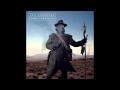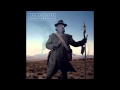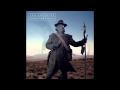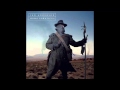
Ian Anderson

Rock
Folk Rock
Progressive Rock
 Viberate Rank: 81564
 Viberate Rank: 81564
 Monthly ListenersFollowers
 Subscribers
 Followers
 Followers
 FansTop Spotify Songs
| Track | 7-Day Streams | |
|---|---|---|
1 | 3.10K | |
2 | 2.77K | |
3 | 1.67K | |
4 | 819 | |
5 | 557 |
Top YouTube VideosMonthly ListenersFeatured in Playlists| Playlist | Followers | |
|---|---|---|
1 |  This Is Blackmore's Night Spotify | 14.61K |
2 |  Progressive Rock Mix PlatinumGains | 14.45K |
3 | CHRISTMAS 🤶🏿🎄 REMIXES y3ll0wkween✨ | 12.14K |
4 |  Best New Prog Rock 2000 Onwards Presagio Records | 10.95K |
5 |  Bard Songs & Tavern Music Green Monster Records | 10.27K |
Audience| City | Monthly Listeners | |
|---|---|---|
1 |  | 375 |
2 |  | 263 |
3 |  | 260 |
4 |  | 240 |
5 |  | 229 |
See full performance history, audience data, playlist activity, rankings, comparisons, and more in Viberate music analytics. Start with a free trial, then continue with a paid plan.
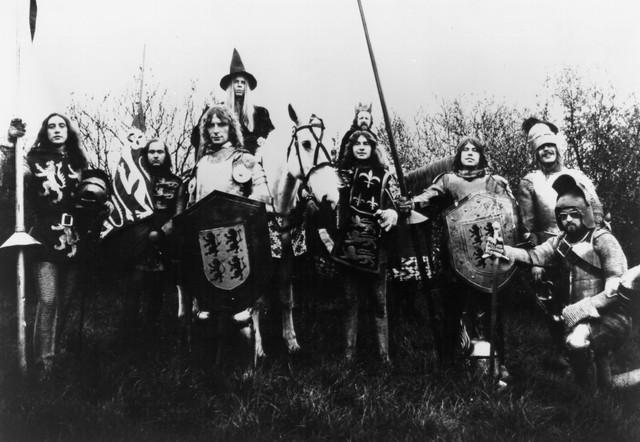
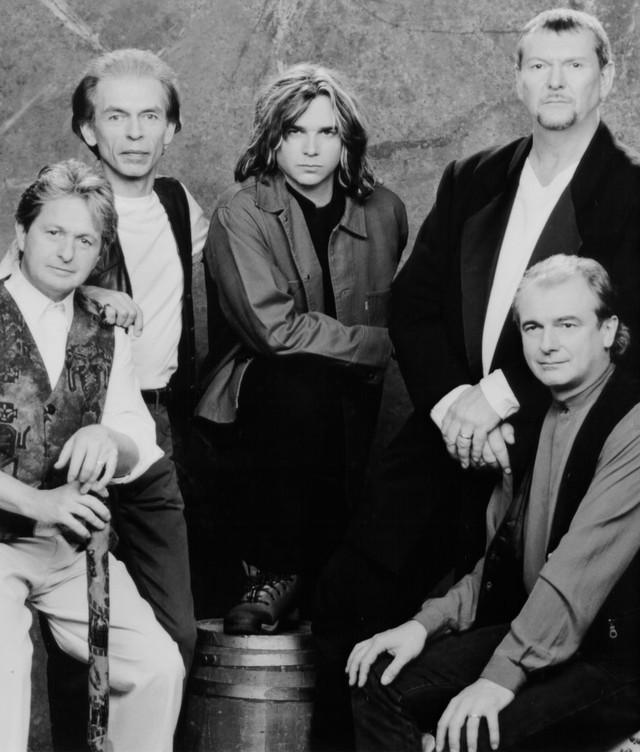
Ian Anderson’s Spotify BioProbably best known as the lead vocalist, flutist, and guitarist in the progressive folk-rock band Jethro Tull, Ian Anderson has also released several albums under his own name. Born in Fife, Scotland, Anderson was interested in music from a young age, gaining influence from his father James' record collection of big band and jazz, as well as early rock & roll by Elvis Presley. The Anderson family later relocated to Blackpool where Ian finished his studies. In 1963, alongside his school friends, he formed the band the Blades, with Anderson on vocals and harmonica. The band went through several name and line-up changes and in 1967, in an attempt to move closer to London, the band moved to Luton. The group quickly fell apart and following a succession of dead-end jobs, Anderson realized that he "would never be as good as Eric Clapton" and decided to sell his electric guitar -- once owned by Lemmy from the band Motörhead -- and instead trade it for a flute. This bold move turned out to… create the trademark sound for the basis of his band Jethro Tull, with Anderson learning the instrument quickly and playing in a blues-rock style. Anderson, together with Glenn Cornick (bass), Mick Abrahams (guitar), and Clive Bunker (drums), first toyed with the names Navy Blue and Bag of Blues before settling on Jethro Tull, sometimes misprinted as Jethro Toe. In 1968, the band released their debut album This Was on famous label Island Records. The album was recorded only a few months after Anderson began to play flute. It wasn't a commercial success but it did score them a residency at the Marquee club in London where Anderson would develop his iconic on-stage presence, where he would jump around in an old overcoat and stand on one leg while playing the flute. Jethro Tull went on to record many albums, with most of their success coming in the '70s from the albums Benefit (1970), Aqualung (1971), Thick as a Brick (1972), and Living in the Past (1972). Anderson has also released six solo albums under his own name, starting with 1983's "Walk Into Light," in addition to guest appearances on albums by the likes of Fairport Convention (Portmeirion) and Men Without Hats ("On Tuesday"). He also produced music for Steeleye Span's 1974 album Now We Are Six. Aside from music, Anderson's business activities included owning several salmon farms in the U.K. ~ James Pearce, Rovi
Viberate is a music analytics platform built for A&Rs, artist managers, labels, booking agents, marketers, and artists.
It helps music professionals track artist growth, analyze audience data, monitor playlist activity, compare artists, follow song performance, and identify opportunities across the music market.
Public artist pages provide a free preview of selected artist data. Paid plans provide access to deeper analytics, historical data, charts, comparisons, playlist tools, exports, alerts, reports, and additional professional features.
Yes. Public Viberate artist pages provide selected artist analytics and music data for free.
Viberate also offers a 7-day free trial of the full platform. A credit card is required to start the trial. The trial includes access to the complete product so users can test deeper artist analytics, historical views, playlist insights, comparisons, charts, exports, alerts, and reporting features before choosing a paid plan.
Viberate provides artist analytics across streaming, playlists, social media, video, radio airplay, songs, and audience markets.
Users can analyze Spotify performance, Spotify and Apple Music playlists, YouTube activity, TikTok and Instagram growth, radio spins, song performance, audience locations, demographics, rankings, and overall artist momentum.
Artist profiles also connect to music charts, similar artists, and comparison tools, helping users benchmark performance and evaluate artists in context.
Viberate updates key artist and track data daily.
For followed artists and tracks, selected data is refreshed multiple times per day. This helps teams monitor playlist changes, streaming movement, audience growth, releases, and campaign performance with more current data.
Update frequency can vary depending on the metric and data source.
Yes. Viberate lets users compare up to five artists side by side across streaming, social media, audience, and engagement metrics.
Users can compare fanbase growth, audience demographics, locations, Spotify performance, social metrics, and other artist data over selected time periods.
Artist comparison can be used for A&R scouting, benchmarking, booking decisions, campaign planning, and evaluating artists with similar audiences or market positions.