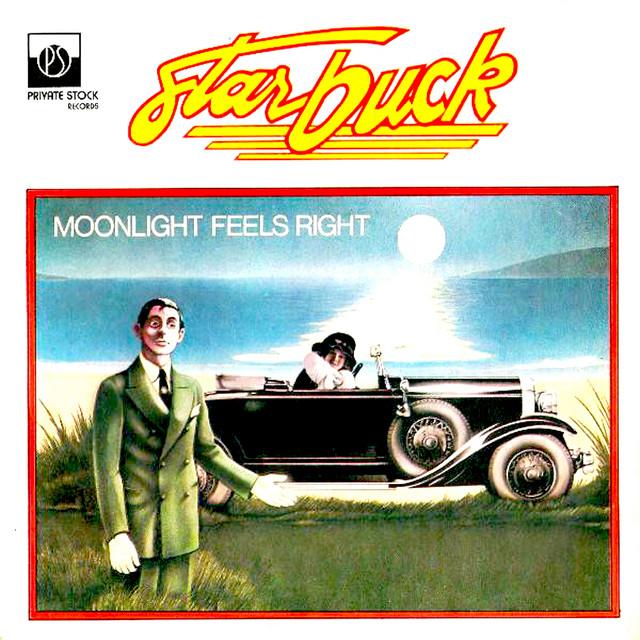
Starbuck

Rock
Alternative Rock
 Viberate Rank: 86988
 Viberate Rank: 86988
 Monthly ListenersFollowers
 Subscribers
 Followers
 Followers
 FansTop Spotify Songs
| Track | 7-Day Streams | |
|---|---|---|
1 | 76.03K | |
2 | 4.78K | |
3 | 770 | |
4 | 597 | |
5 | 386 |
Top YouTube VideosMonthly ListenersFeatured in Playlists| Playlist | Followers | |
|---|---|---|
1 |  Soft Rock Spotify | 3.55M |
2 | Classic Rock Greatest Hits Scott Pruden | 341.40K |
3 |  Soft Rock Drive Spotify | 321.12K |
4 |  Free & Easy Spotify | 190.79K |
5 | Yacht Rock Classics d.cleeve-gb | 146.83K |
Audience| City | Monthly Listeners | |
|---|---|---|
1 | | 2.30K |
2 | | 2.29K |
3 | | 1.91K |
4 | | 1.83K |
5 |  | 1.71K |
See full performance history, audience data, playlist activity, rankings, comparisons, and more in Viberate music analytics. Start with a free trial, then continue with a paid plan.
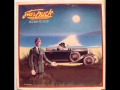
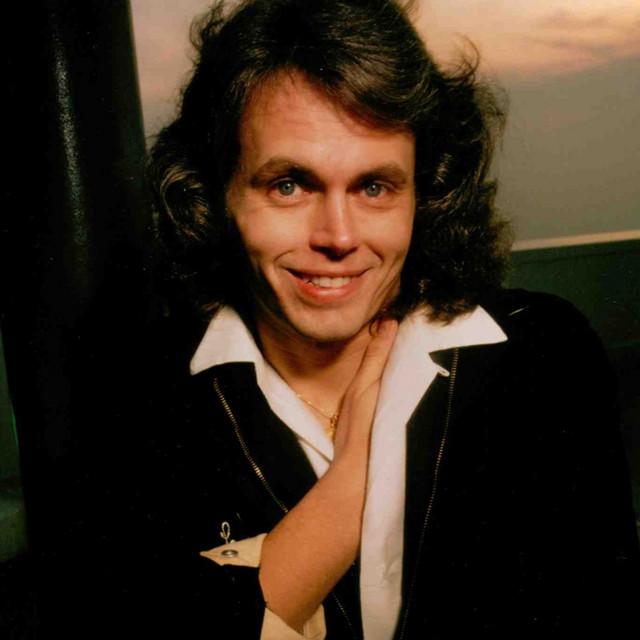
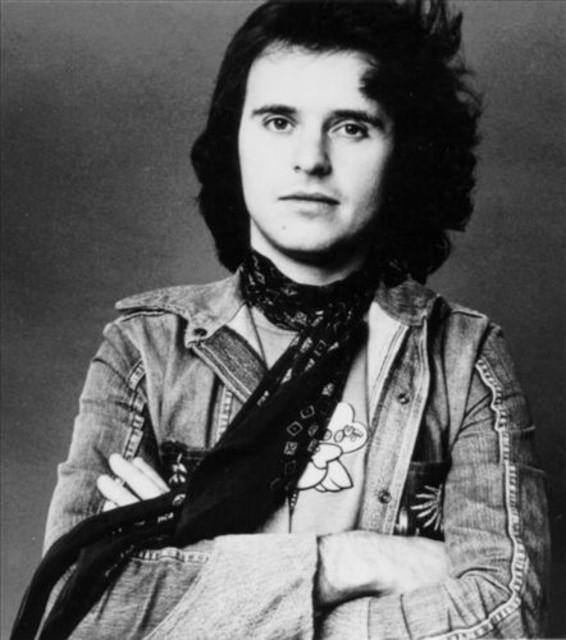
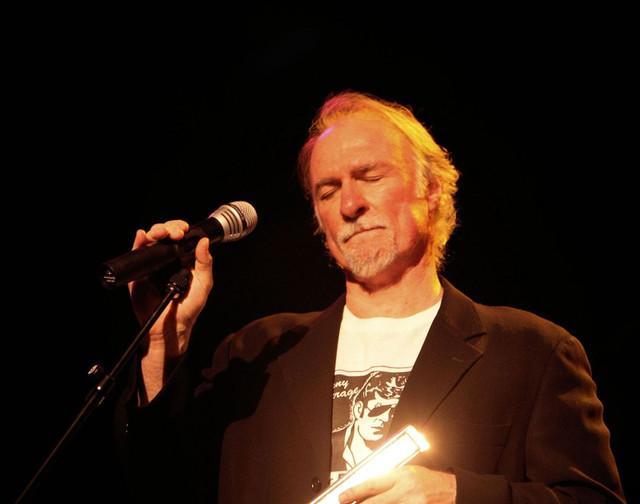
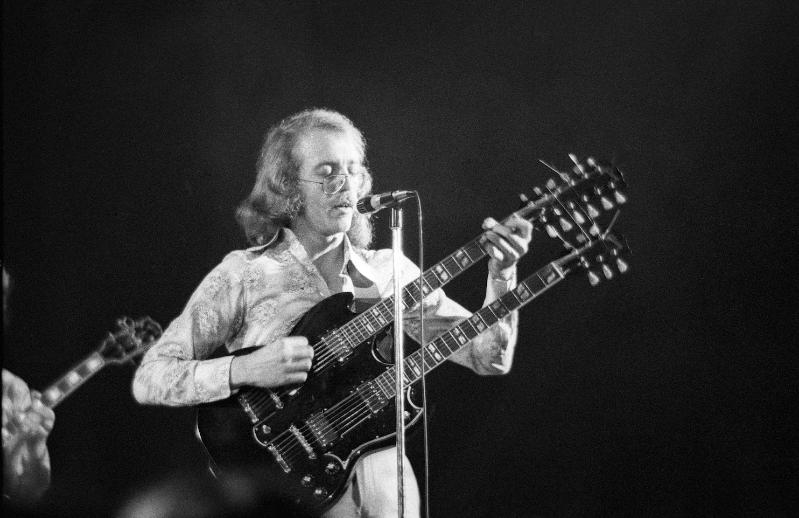
Starbuck’s Spotify BioBest remembered for the AM radio classic "Moonlight Feels Right," Starbuck formed in Atlanta in 1974 -- singer/keyboardist Bruce Blackman and percussionist Bo Wagner previously served in the sunshine pop outfit Eternity's Children, enjoying fleeting success with the minor chart hit "Mrs. Bluebird." After collaborating on a never-released LP under the moniker Mississippi, the duo again parted ways, with Blackman focusing on his composing career and Wagner hitting the road as Liberace's musical director. When Wagner returned to Atlanta, he formed Extravaganza with vocalist Elgin Wells, keyboardist Sloan Hayes, bassist Jimmy Cobb, and drummer David Snavely; within weeks Wells left the group, opening the door for Blackman to sign on -- vocalist Ron Norris and guitarist Tommy Strain soon joined as well, prompting a name change to Starbuck.
In mid-1975 the group signed to the Private Stock label, issuing its debut single, "Moonlight Feels Right," a few months later -- a quintessential slice… of '70s soft pop, the record flopped upon its initial release, but was resurrected in the spring of 1976 by Birmingham, AL, DJ Mike St. John of WERC. As its grassroots popularity snowballed, "Moonlight Feels Right" eventually reached the number two spot on the Billboard pop chart -- around this time Strain, Norris, and Snavely all left Starbuck, and were replaced by keyboardist David Shaver, drummer Ken Crysler, and guitarist Johnny Walker, the latter another Eternity's Children alum. The band's sophomore effort, Rock 'n' Roll Rocket, followed in 1977, generating a second Top 40 hit with its lead track, "Everybody Be Dancin'" -- however, 1978's Searching for a Thrill failed to chart, and Starbuck dissolved in 1980. ~ Jason Ankeny, Rovi
Viberate is a music analytics platform built for A&Rs, artist managers, labels, booking agents, marketers, and artists.
It helps music professionals track artist growth, analyze audience data, monitor playlist activity, compare artists, follow song performance, and identify opportunities across the music market.
Public artist pages provide a free preview of selected artist data. Paid plans provide access to deeper analytics, historical data, charts, comparisons, playlist tools, exports, alerts, reports, and additional professional features.
Yes. Public Viberate artist pages provide selected artist analytics and music data for free.
Viberate also offers a 7-day free trial of the full platform. A credit card is required to start the trial. The trial includes access to the complete product so users can test deeper artist analytics, historical views, playlist insights, comparisons, charts, exports, alerts, and reporting features before choosing a paid plan.
Viberate provides artist analytics across streaming, playlists, social media, video, radio airplay, songs, and audience markets.
Users can analyze Spotify performance, Spotify and Apple Music playlists, YouTube activity, TikTok and Instagram growth, radio spins, song performance, audience locations, demographics, rankings, and overall artist momentum.
Artist profiles also connect to music charts, similar artists, and comparison tools, helping users benchmark performance and evaluate artists in context.
Viberate updates key artist and track data daily.
For followed artists and tracks, selected data is refreshed multiple times per day. This helps teams monitor playlist changes, streaming movement, audience growth, releases, and campaign performance with more current data.
Update frequency can vary depending on the metric and data source.
Yes. Viberate lets users compare up to five artists side by side across streaming, social media, audience, and engagement metrics.
Users can compare fanbase growth, audience demographics, locations, Spotify performance, social metrics, and other artist data over selected time periods.
Artist comparison can be used for A&R scouting, benchmarking, booking decisions, campaign planning, and evaluating artists with similar audiences or market positions.