Stanislav Bunin

Classical
Chamber Music
 Viberate Rank: 272112
 Viberate Rank: 272112
 Monthly ListenersFollowers
 Subscribers
 Followers
 Followers
 FansTop Spotify Songs
| Track | 7-Day Streams | |
|---|---|---|
1 | 11.41K | |
2 | 9.21K | |
3 | 8.44K | |
4 | 2.69K | |
5 | 2.56K |
Top YouTube VideosMonthly ListenersFeatured in Playlists| Playlist | Followers | |
|---|---|---|
1 |  esibelyalcin | 41.37K |
2 |  50 Best Classical Piano Capitol Records | 23.52K |
3 | この世で最もいい曲100選(究極版) zippu21(Peter) | 16.52K |
4 |  Motzart Frank Karall | 8.21K |
5 |  Winter Morning Classical stacey | 5.72K |
Audience| City | Monthly Listeners | |
|---|---|---|
1 |  | 239 |
2 |  | 192 |
3 |  | 173 |
4 |  | 147 |
5 |  | 118 |
See full performance history, audience data, playlist activity, rankings, comparisons, and more in Viberate music analytics. Start with a free trial, then continue with a paid plan.
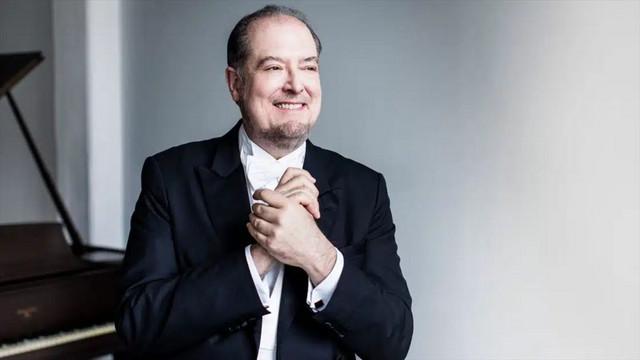
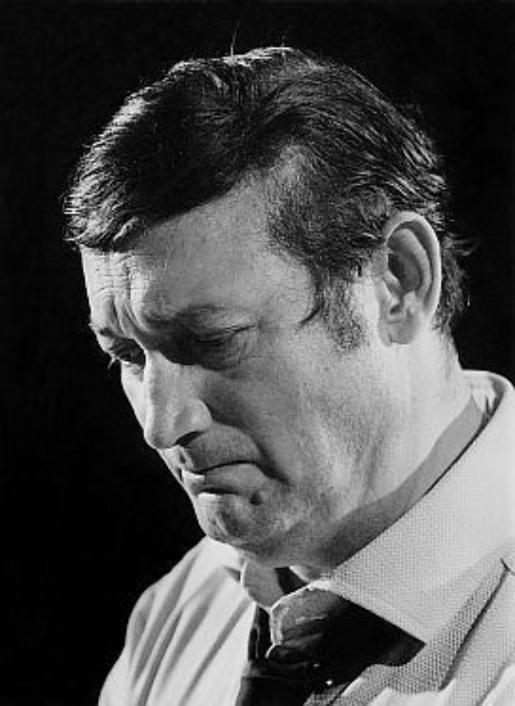
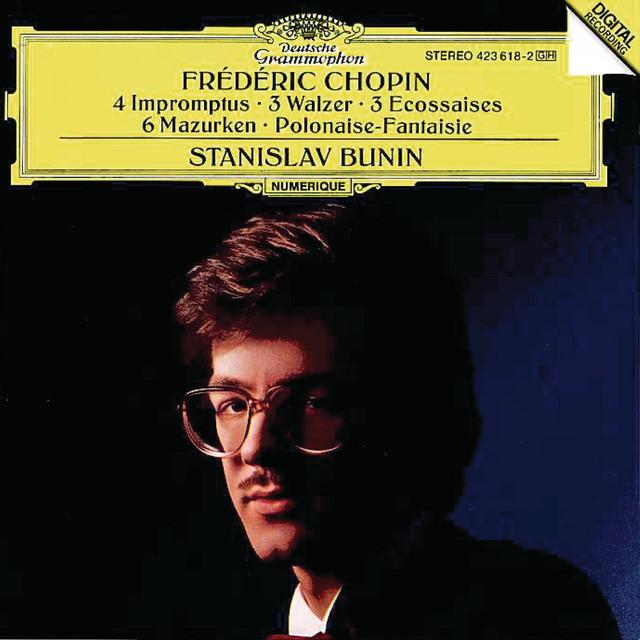
Stanislav Bunin’s Spotify BioPianist Stanislav Bunin won the 1985 International Chopin Piano Competition in Warsaw, Poland. He has been active for much of his career in Japan, his wife's native country.
Bunin was born September 25, 1966, in Moscow. His family was musical and otherwise artistic on both sides; his grandfather, Heinrich Neuhaus, was a famed Russian pedagogue, and his father, Stanislav Neuhaus, was a pianist. His grandmother Zinaida was the second wife of novelist Boris Pasternak, and he is also related to Polish composer Karol Szymanowski. At age six, Bunin began studies with Elena Richter at the Moscow Central Music School. He remained there for 11 years and then moved on to the Moscow Conservatory, where his principal teacher was Sergei Dorensky. Bunin began to rack up prizes in his late teens, taking the Concourse Marguerite Long - Jacques Thibaud in Paris in 1983. Two years later, his International Chopin Competition win -- at the age of just 19 -- marked a major breakthrough. Bunin left the… Soviet Union in 1988 and settled in Hamburg, Germany. He was promptly signed to the Deutsche Grammophon label and released his debut album there, featuring works of Robert Schumann, in 1989.
Bunin then moved to Japan. Between 1986 and 1996, he gave some 300 recitals in major Japanese cities. He also toured in the West, appearing as a soloist with such groups as the Boston Symphony, London Philharmonic, and Munich Philharmonic. In Japan, he founded a special piano course at the country's largest private music school, the Senzoku Gakuen in Kawasaki, and taught there from 1991 to 1997. Bunin released several more albums on Deutsche Grammophon and also recorded for EMI and other labels. He has a reputation as a Chopin specialist, and in the late 1990s and early 2000s decade, he toured frequently with Chopin recitals in Japan and Europe and as far afield as Argentina. Bunin has been less visible in the 2010s and 2020s, but he remains active; throughout his career, he has concertized to raise money for charity, and in 2010, he appeared at a Stanislav Bunin Charity Gala concert at Suntory Hall in Tokyo. Bunin's 1989 Schumann album, which featured highly distinctive interpretations, was reissued in digital form in 2023 by Deutsche Grammophon. ~ James Manheim, Rovi
Viberate is a music analytics platform built for A&Rs, artist managers, labels, booking agents, marketers, and artists.
It helps music professionals track artist growth, analyze audience data, monitor playlist activity, compare artists, follow song performance, and identify opportunities across the music market.
Public artist pages provide a free preview of selected artist data. Paid plans provide access to deeper analytics, historical data, charts, comparisons, playlist tools, exports, alerts, reports, and additional professional features.
Yes. Public Viberate artist pages provide selected artist analytics and music data for free.
Viberate also offers a 7-day free trial of the full platform. A credit card is required to start the trial. The trial includes access to the complete product so users can test deeper artist analytics, historical views, playlist insights, comparisons, charts, exports, alerts, and reporting features before choosing a paid plan.
Viberate provides artist analytics across streaming, playlists, social media, video, radio airplay, songs, and audience markets.
Users can analyze Spotify performance, Spotify and Apple Music playlists, YouTube activity, TikTok and Instagram growth, radio spins, song performance, audience locations, demographics, rankings, and overall artist momentum.
Artist profiles also connect to music charts, similar artists, and comparison tools, helping users benchmark performance and evaluate artists in context.
Viberate updates key artist and track data daily.
For followed artists and tracks, selected data is refreshed multiple times per day. This helps teams monitor playlist changes, streaming movement, audience growth, releases, and campaign performance with more current data.
Update frequency can vary depending on the metric and data source.
Yes. Viberate lets users compare up to five artists side by side across streaming, social media, audience, and engagement metrics.
Users can compare fanbase growth, audience demographics, locations, Spotify performance, social metrics, and other artist data over selected time periods.
Artist comparison can be used for A&R scouting, benchmarking, booking decisions, campaign planning, and evaluating artists with similar audiences or market positions.