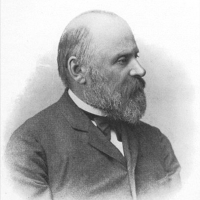
Lilya Zilberstein

Classical
Classical Crossover
Chamber Music
 Viberate Rank: 227902
 Viberate Rank: 227902
 Monthly ListenersFollowers
 Subscribers
 Followers
 Followers
 FansTop Spotify Songs
| Track | 7-Day Streams | |
|---|---|---|
1 | 1.36K | |
2 | 705 | |
3 | 690 | |
4 | 361 | |
5 | 152 |
Top YouTube VideosMonthly ListenersFeatured in Playlists| Playlist | Followers | |
|---|---|---|
1 |  This Is Shostakovich Spotify | 68.82K |
2 |  Piano Masters Deutsche Grammophon (DG) | 16.33K |
3 |  Liszt - Best of Deutsche Grammophon (DG) | 9.39K |
4 |  Peter Dittiger | 9.04K |
5 |  Rachmaninoff - Best of Deutsche Grammophon (DG) | 5.80K |
Audience| City | Monthly Listeners | |
|---|---|---|
1 |  | 185 |
2 |  | 176 |
3 |  | 145 |
4 |  | 134 |
5 |  | 121 |
See full performance history, audience data, playlist activity, rankings, comparisons, and more in Viberate music analytics. Start with a free trial, then continue with a paid plan.
Lilya Zilberstein’s Spotify BioPianist Lilya Zilberstein has enjoyed a relationship with the Deutsche Grammophon label lasting more than 30 years. She has also recorded for Hänssler Classic, Oehms Classics, and K&K Verlagsanstalt.
Zilberstein was born on April 19, 1965, in Moscow. She studied at the Gnessin State Musical College, Moscow's top educational institution for musically talented young people, from 1971 until 1990. Her primary teachers there were Ada Traub from 1971 to 1983 and then Alexander Satz. Zilberstein won various prizes in the Soviet Union, and then, as that country began to open up in its last years, entered and won the Busoni Competition in Bolzano, Italy, in 1987. The win brought with a Munich debut in 1988 and soon a contract with Deutsche Grammophon. In 1990, Zilberstein made her recording debut on that label with an album of Brahms works, following with a Chopin album a year later. In 1990, she settled in Hamburg, where she has continued to live with her husband and two sons. Zilberstein has… also served on the faculty at the Accademia Musicale Chigiana, beginning in 2011.
Zilberstein has appeared as a concerto soloist with top-rung ensembles in both Europe and North America, including the Berlin Philharmonic, the London Philharmonic, the Montreal Symphony, and the Chicago Symphony, among many others. Her career as a recitalist has been similarly prestigious, including stops in such musical capitals as New York, Berlin, and Prague, among others. Zilberstein has also been a regular at the Peninsula Music Festival in northern Wisconsin. Her recording career remains centered on Deutsche Grammophon, although she has recorded for other German labels. It is centered on mainstream Romantic piano repertory, both Russian and Western European. By the time Zilberstein reissued the 1996 album Liszt Recital on Deutsche Grammophon in 2024, her recording catalog comprised more than 15 releases. ~ James Manheim, Rovi
Viberate is a music analytics platform built for A&Rs, artist managers, labels, booking agents, marketers, and artists.
It helps music professionals track artist growth, analyze audience data, monitor playlist activity, compare artists, follow song performance, and identify opportunities across the music market.
Public artist pages provide a free preview of selected artist data. Paid plans provide access to deeper analytics, historical data, charts, comparisons, playlist tools, exports, alerts, reports, and additional professional features.
Yes. Public Viberate artist pages provide selected artist analytics and music data for free.
Viberate also offers a 7-day free trial of the full platform. A credit card is required to start the trial. The trial includes access to the complete product so users can test deeper artist analytics, historical views, playlist insights, comparisons, charts, exports, alerts, and reporting features before choosing a paid plan.
Viberate provides artist analytics across streaming, playlists, social media, video, radio airplay, songs, and audience markets.
Users can analyze Spotify performance, Spotify and Apple Music playlists, YouTube activity, TikTok and Instagram growth, radio spins, song performance, audience locations, demographics, rankings, and overall artist momentum.
Artist profiles also connect to music charts, similar artists, and comparison tools, helping users benchmark performance and evaluate artists in context.
Viberate updates key artist and track data daily.
For followed artists and tracks, selected data is refreshed multiple times per day. This helps teams monitor playlist changes, streaming movement, audience growth, releases, and campaign performance with more current data.
Update frequency can vary depending on the metric and data source.
Yes. Viberate lets users compare up to five artists side by side across streaming, social media, audience, and engagement metrics.
Users can compare fanbase growth, audience demographics, locations, Spotify performance, social metrics, and other artist data over selected time periods.
Artist comparison can be used for A&R scouting, benchmarking, booking decisions, campaign planning, and evaluating artists with similar audiences or market positions.