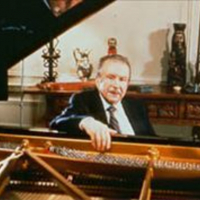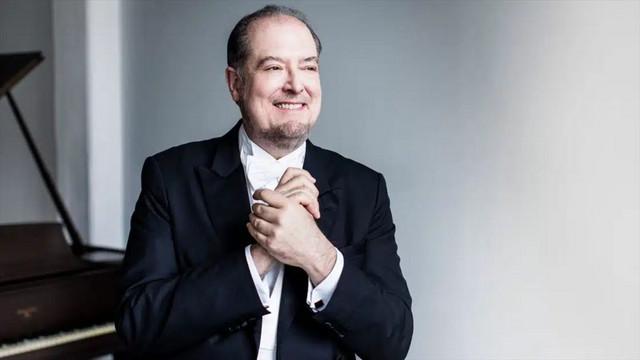
Garrick Ohlsson

Classical
Orchestral
Chamber Music
 Viberate Rank: 118017
 Viberate Rank: 118017
 Monthly ListenersFollowers
 Subscribers
 Followers
 Followers
 FansTop Spotify Songs
| Track | 7-Day Streams | |
|---|---|---|
1 | 9.94K | |
2 | 4.08K | |
3 | 3.79K | |
4 | 1.02K | |
5 | 970 |
Top YouTube VideosMonthly ListenersFeatured in Playlists| Playlist | Followers | |
|---|---|---|
1 |  Best of Chopin Tuxsys | 154.30K |
2 |  This Is Liszt Spotify | 138.88K |
3 |  Italian Summer Eunice An | 45.28K |
4 |  dreamy classical, romantic era 🥀 Guppie | 38.23K |
5 | Instrumental by James Rhodes canongate | 26.93K |
Audience| City | Monthly Listeners | |
|---|---|---|
1 |  | 823 |
2 |  | 797 |
3 | | 766 |
4 |  | 760 |
5 |  | 700 |
See full performance history, audience data, playlist activity, rankings, comparisons, and more in Viberate music analytics. Start with a free trial, then continue with a paid plan.
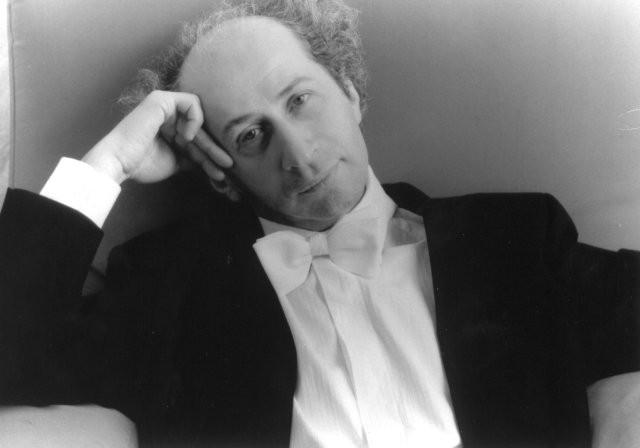
Garrick Ohlsson’s Spotify BioAn imposing physical presence at six feet four inches tall, with a reach of a 12th, Garrick Ohlsson is a pianist with a flawless technique, a strong grasp of form, and a clean, non-romanticized style of performing. Especially noted for his Chopin interpretations, Ohlsson has won several notable prizes and been described as a "bear-butterfly" of a pianist. So completely consumed with musical life, he has, when asked by an interviewer, been unable to remember what kind of car he drives.
Ohlsson was born in Bronxville, New York, on April 3, 1948. He began piano studies when he was eight years old, attending the Westchester Conservatory of Music. After he saw Rubinstein in concert, he told interviewer Michael Steinberg, his choice of career was set. "I was blasted into orbit. And that's when I said in my mind...when other little boys say, 'I want to be a fireman,' that's what I want to do." He entered the preparatory course of the Juilliard School when he was 13, where he studied with… Sascha Gorodnitzki. He remained at Juilliard for his bachelor's degree in music (earned in 1971), studying with Rosina Lhévinne. Private studies with Olga Barabini, Irma Wolpe, and Claudio Arrau rounded out Ohlsson's education.
In 1966, he won the Busoni Competition in Italy, and in 1968, the Montreal Piano Competition. However, it was his 1970 victory in the Chopin Competition in Warsaw that launched his career. He was the first American winner, and his victory gained some of the same kind of attention as had Van Cliburn's Tchaikovsky Competition triumph a little over a decade earlier. Ohlsson has maintained a strong association with the music of Chopin and has played the master's complete piano works several times in recital and on recordings. His Chopin interpretations favor intense emotionalism over a languid, swooning salon style. Ohlsson is by no means exclusively a player of Chopin; his repertory extends from Haydn to the 21st century and includes more than 80 works for piano and orchestra.
He tours and appears as a guest soloist with orchestras around the world and has made over a dozen tours to Poland, where he continues to be particularly esteemed for his Chopin playing (he was given the Gloria Artis Gold Medal in 2018 by the Polish Deputy Culture Minister.) He is also an avid chamber performer and has collaborated with the Cleveland, Tokyo, and Tákacs quartets. With violinist Jorja Fleezanis and cellist Michael Grebanier, he founded the FOG Trio, based in San Francisco. During the 2002-2003 season, Ohlsson appeared as part of the Lincoln Center Great Performers series in New York, performing works by Busoni.
Ohlsson has recorded for a variety of labels, most notably Arabesque, Bridge, and Hyperion. He has been nominated for three Grammy Awards, winning the 2008 award for his 2006 Bridge release Beethoven: Sonatas, Vol. 3. He was heard on two albums in 2019: a Hyperion release of Brahms' music and a Fryderyk Chopin Institute release featuring Chopin's music.
Ohlsson was awarded the prestigious Avery Fisher Prize in 1994. In 1998, he won the Distinguished Artist Award from the University Musical Society, and in 2014, he received the Jean Gimbel Lane Prize in Piano Performance from Northwestern University.
Viberate is a music analytics platform built for A&Rs, artist managers, labels, booking agents, marketers, and artists.
It helps music professionals track artist growth, analyze audience data, monitor playlist activity, compare artists, follow song performance, and identify opportunities across the music market.
Public artist pages provide a free preview of selected artist data. Paid plans provide access to deeper analytics, historical data, charts, comparisons, playlist tools, exports, alerts, reports, and additional professional features.
Yes. Public Viberate artist pages provide selected artist analytics and music data for free.
Viberate also offers a 7-day free trial of the full platform. A credit card is required to start the trial. The trial includes access to the complete product so users can test deeper artist analytics, historical views, playlist insights, comparisons, charts, exports, alerts, and reporting features before choosing a paid plan.
Viberate provides artist analytics across streaming, playlists, social media, video, radio airplay, songs, and audience markets.
Users can analyze Spotify performance, Spotify and Apple Music playlists, YouTube activity, TikTok and Instagram growth, radio spins, song performance, audience locations, demographics, rankings, and overall artist momentum.
Artist profiles also connect to music charts, similar artists, and comparison tools, helping users benchmark performance and evaluate artists in context.
Viberate updates key artist and track data daily.
For followed artists and tracks, selected data is refreshed multiple times per day. This helps teams monitor playlist changes, streaming movement, audience growth, releases, and campaign performance with more current data.
Update frequency can vary depending on the metric and data source.
Yes. Viberate lets users compare up to five artists side by side across streaming, social media, audience, and engagement metrics.
Users can compare fanbase growth, audience demographics, locations, Spotify performance, social metrics, and other artist data over selected time periods.
Artist comparison can be used for A&R scouting, benchmarking, booking decisions, campaign planning, and evaluating artists with similar audiences or market positions.