Stagnant Pools

Pop
Indie Pop
Shoegaze
 Viberate Rank: 601630
 Viberate Rank: 601630
 Monthly ListenersFollowers
 Subscribers
 Followers
 Followers
 FansTop Spotify Songs
| Track | 7-Day Streams | |
|---|---|---|
1 | 30 | |
2 | 22 | |
3 | 10 | |
4 | 8 | |
5 | 7 |
Top YouTube VideosMonthly ListenersFeatured in Playlists| Playlist | Followers | |
|---|---|---|
1 | Lee Moore | 16.03K |
2 |  obscure 90s-2010s shoegaze pdawg | 6.54K |
3 |  Shoegaze/Dream Pop/Synth Pop/Chillwave Jeremy Evans | 1.50K |
4 |  DKFM shoegaze radio owmybrain | 1.43K |
5 |  KEXP Popular kreppart | 1.01K |
Audience| City | Monthly Listeners | |
|---|---|---|
1 | | 4 |
2 |  | 4 |
3 | | 4 |
4 | | 3 |
5 | | 3 |
See full performance history, audience data, playlist activity, rankings, comparisons, and more in Viberate music analytics. Start with a free trial, then continue with a paid plan.
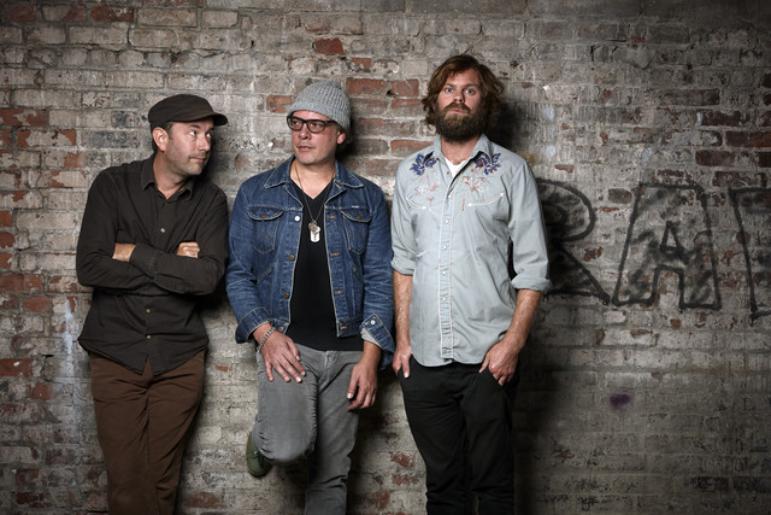
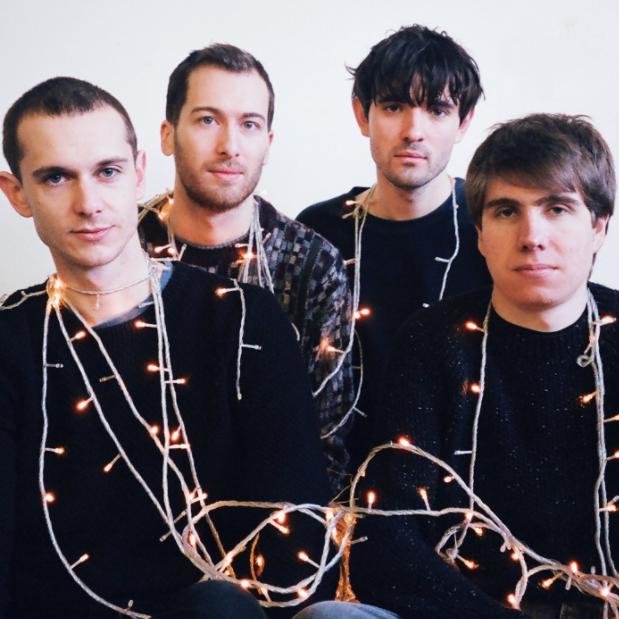
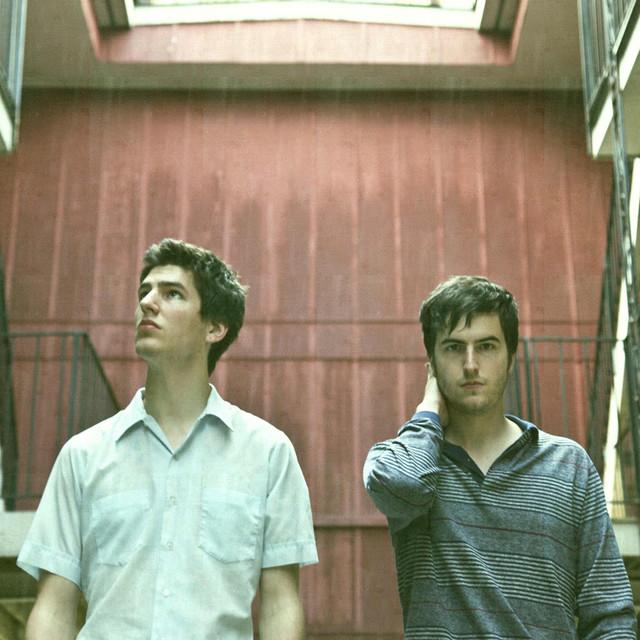
Stagnant Pools’ Spotify BioStagnant Pools were formed in Bloomington, Indiana by brothers Bryan and Douglass Enas. The lads began playing music together at a young age, after Bryan, the older of the two, got a bass guitar while in the eighth grade. Soon they were playing in a series of local bands, Bryan on bass (and later guitar) and Douglass on drums. By 2009, Bryan's first year of college, they were playing as a duo under the name Stagnant Pools, with Bryan on guitar and vocals and Douglass on drums. That same year they began recording their minimally created yet rich-sounding and hypnotic blend of noise pop and classic (Joy Division, the Strokes) indie rock, as well as playing shows around Bloomington and with the likes of Japandroids and EMA. By the summer of 2011, they had finished an album's worth of songs and signed to Polyvinyl. The melancholic and noisy Temporary Room was released in the late summer of 2012. After some time spent touring, the brothers retreated to their home base and began working on… new songs together. After paring down from 20 songs to ten, they hit the studio to begin work on their next album. The noisier, even more brooding Geist was released in June of 2014. ~ Tim Sendra, Rovi
Viberate is a music analytics platform built for A&Rs, artist managers, labels, booking agents, marketers, and artists.
It helps music professionals track artist growth, analyze audience data, monitor playlist activity, compare artists, follow song performance, and identify opportunities across the music market.
Public artist pages provide a free preview of selected artist data. Paid plans provide access to deeper analytics, historical data, charts, comparisons, playlist tools, exports, alerts, reports, and additional professional features.
Yes. Public Viberate artist pages provide selected artist analytics and music data for free.
Viberate also offers a 7-day free trial of the full platform. A credit card is required to start the trial. The trial includes access to the complete product so users can test deeper artist analytics, historical views, playlist insights, comparisons, charts, exports, alerts, and reporting features before choosing a paid plan.
Viberate provides artist analytics across streaming, playlists, social media, video, radio airplay, songs, and audience markets.
Users can analyze Spotify performance, Spotify and Apple Music playlists, YouTube activity, TikTok and Instagram growth, radio spins, song performance, audience locations, demographics, rankings, and overall artist momentum.
Artist profiles also connect to music charts, similar artists, and comparison tools, helping users benchmark performance and evaluate artists in context.
Viberate updates key artist and track data daily.
For followed artists and tracks, selected data is refreshed multiple times per day. This helps teams monitor playlist changes, streaming movement, audience growth, releases, and campaign performance with more current data.
Update frequency can vary depending on the metric and data source.
Yes. Viberate lets users compare up to five artists side by side across streaming, social media, audience, and engagement metrics.
Users can compare fanbase growth, audience demographics, locations, Spotify performance, social metrics, and other artist data over selected time periods.
Artist comparison can be used for A&R scouting, benchmarking, booking decisions, campaign planning, and evaluating artists with similar audiences or market positions.