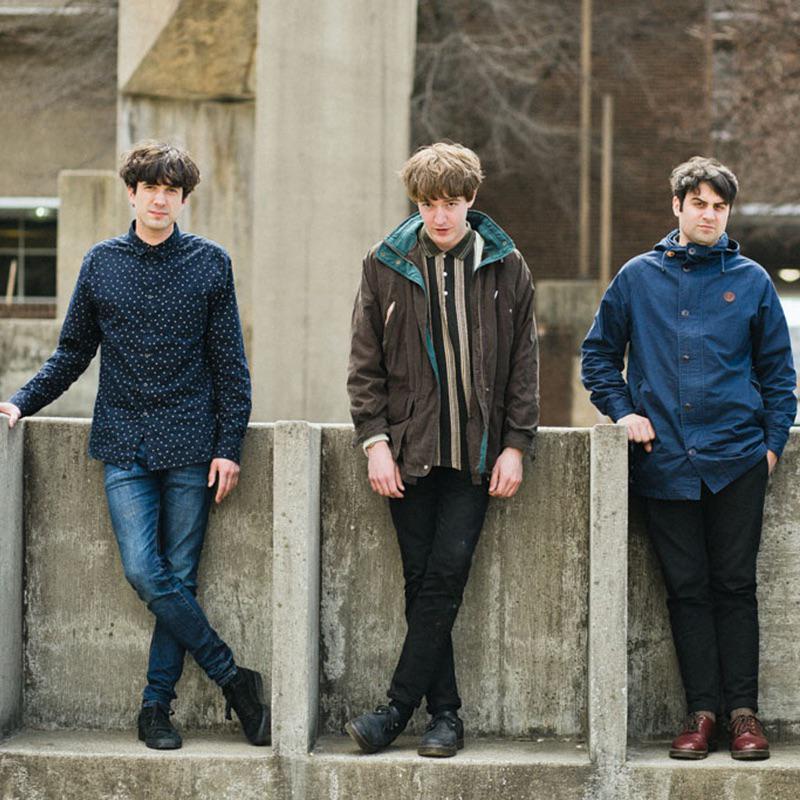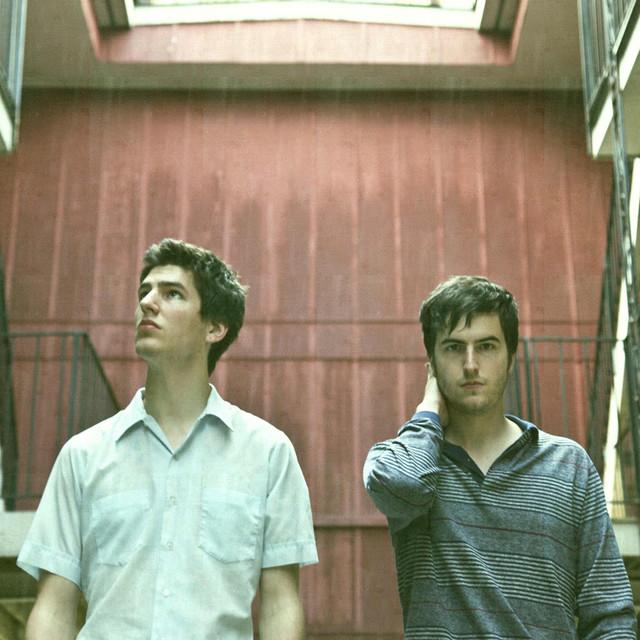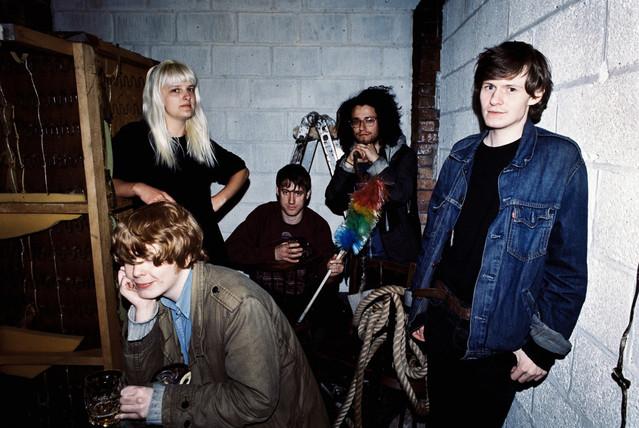
Gold-Bears

Pop
Indie Pop
Indie Rock
 Viberate Rank: 610678
 Viberate Rank: 610678
 Monthly ListenersFollowers
 Subscribers
 Followers
 Followers
 FansTop Spotify Songs
| Track | 7-Day Streams | |
|---|---|---|
1 | 25 | |
2 | 13 | |
3 | 12 | |
4 | 11 | |
5 | 8 |
Top YouTube VideosMonthly ListenersFeatured in Playlists| Playlist | Followers | |
|---|---|---|
1 | Gym Indie PlayList igor.murta | 5.87K |
2 |  ALLternative Shuffle Carefully Curated. | 3.37K |
3 |  DJ AMABLE TOPS (2011-2017) ginzaginza | 2.35K |
4 |  BIRP! 2009 - 2019 BIRP! | 2.20K |
5 | 3000 canciones para MODERNOS Álvaro Sáenz | 2.12K |
Audience| City | Monthly Listeners | |
|---|---|---|
1 | | 8 |
2 | | 7 |
3 | | 5 |
4 |  | 4 |
5 | | 3 |
See full performance history, audience data, playlist activity, rankings, comparisons, and more in Viberate music analytics. Start with a free trial, then continue with a paid plan.
Gold-Bears’ Spotify BioAtlanta, Georgia-based "twee-punk" outfit Gold-Bears (named after the much beloved Gummi candy) were formed in 2009 by Jeremy Underwood (Plastic Mastery) along with Erich Leudtke, Dave Fortner, and Santiago Archila. Raised on a steady diet of the Smiths, the Wedding Present, and My Bloody Valentine, the group members’ shared love of cacophonous reverb, jangly guitars, and lo-fi fuzz-pop has earned them comparisons to everyone from the Mountain Goats and Summer Cats to Boyracer and the Pains of Being Pure at Heart. The band's first single arrived in 2010 via Magic Marker Records, followed by the full-length debut Are You Falling in Love? for Slumberland in early summer the following year. In the years that followed, Underwood assembled an entirely different crew of friends to help carry out the much more abrasive and mournful tunes that would make up the second Gold-Bears album Dalliance. Underwood's songs were realized with the help of Clinton Callahan, Scotty Hoffman, Sam Jacobsen,… and Sean Zearfoss, with guest spots from Emma Cooper and Black Tambourine vocalist Pam Berry. Dalliance was released in the early summer of 2014, again on Slumberland. ~ James Christophe Monger
Viberate is a music analytics platform built for A&Rs, artist managers, labels, booking agents, marketers, and artists.
It helps music professionals track artist growth, analyze audience data, monitor playlist activity, compare artists, follow song performance, and identify opportunities across the music market.
Public artist pages provide a free preview of selected artist data. Paid plans provide access to deeper analytics, historical data, charts, comparisons, playlist tools, exports, alerts, reports, and additional professional features.
Yes. Public Viberate artist pages provide selected artist analytics and music data for free.
Viberate also offers a 7-day free trial of the full platform. A credit card is required to start the trial. The trial includes access to the complete product so users can test deeper artist analytics, historical views, playlist insights, comparisons, charts, exports, alerts, and reporting features before choosing a paid plan.
Viberate provides artist analytics across streaming, playlists, social media, video, radio airplay, songs, and audience markets.
Users can analyze Spotify performance, Spotify and Apple Music playlists, YouTube activity, TikTok and Instagram growth, radio spins, song performance, audience locations, demographics, rankings, and overall artist momentum.
Artist profiles also connect to music charts, similar artists, and comparison tools, helping users benchmark performance and evaluate artists in context.
Viberate updates key artist and track data daily.
For followed artists and tracks, selected data is refreshed multiple times per day. This helps teams monitor playlist changes, streaming movement, audience growth, releases, and campaign performance with more current data.
Update frequency can vary depending on the metric and data source.
Yes. Viberate lets users compare up to five artists side by side across streaming, social media, audience, and engagement metrics.
Users can compare fanbase growth, audience demographics, locations, Spotify performance, social metrics, and other artist data over selected time periods.
Artist comparison can be used for A&R scouting, benchmarking, booking decisions, campaign planning, and evaluating artists with similar audiences or market positions.