A Grave With No Name

Rock
Alternative Rock
Dream Pop
 Viberate Rank: 512961
 Viberate Rank: 512961
 Monthly ListenersFollowers
 Subscribers
 Followers
 Followers
 FansTop Spotify Songs
| Track | 7-Day Streams | |
|---|---|---|
1 | 22 | |
2 | 20 | |
3 | 5 | |
4 | 5 | |
5 | 4 |
Top YouTube VideosMonthly ListenersFeatured in Playlists| Playlist | Followers | |
|---|---|---|
1 | Dreampop Shoegaze Lo-Fi Buffet Chris Chan | 8.01K |
2 | Melancholy Wood Brian Housman | 4.32K |
3 |  𝓡oots in the 𝓦oods Rutger Meijerink | 4.01K |
4 |  The Most Beautiful Songs in the World The Last Dinosaur | 2.97K |
5 |  The Shoegazer Radio tuff-ghost | 2.42K |
Audience| City | Monthly Listeners | |
|---|---|---|
1 | | 8 |
2 |  | 6 |
3 |  | 5 |
4 | | 4 |
5 |  | 4 |
See full performance history, audience data, playlist activity, rankings, comparisons, and more in Viberate music analytics. Start with a free trial, then continue with a paid plan.
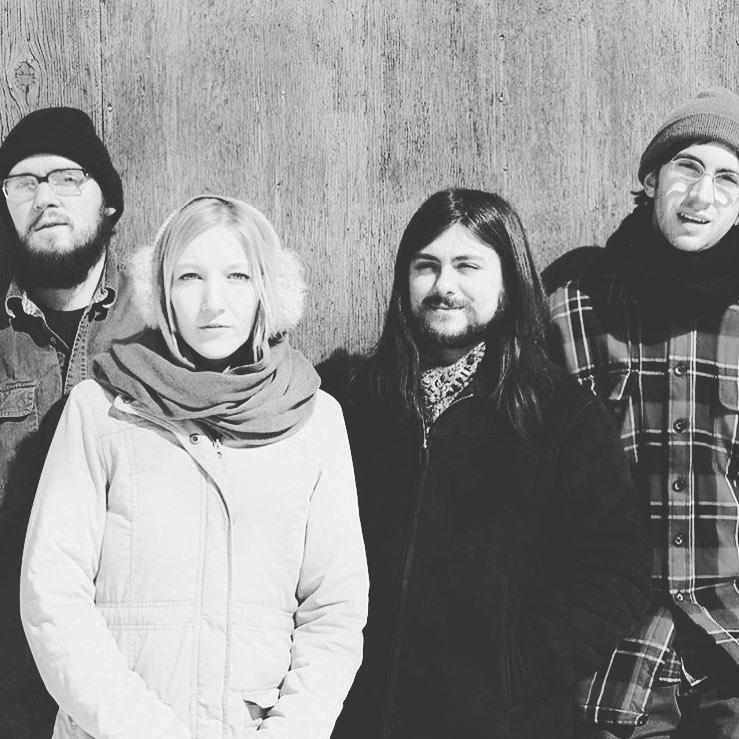
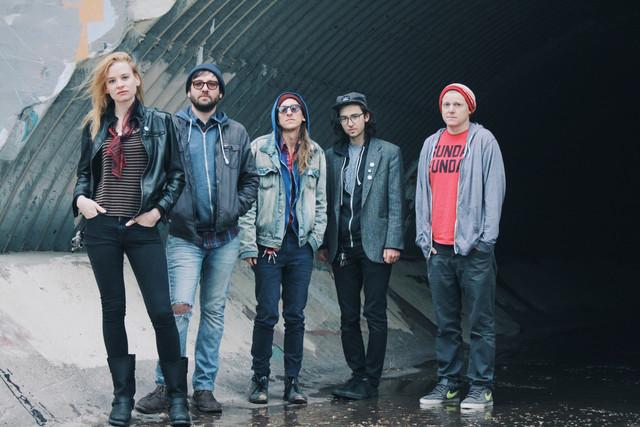
A Grave With No Name’s Spotify BioInfluenced by the lo-fi '90s indie aesthetic of Pavement and Sebadoh and associated with the late-2000s shoegaze revival alongside Banjo or Freakout, Atlas Sound and Big Pink, A Grave with No Name is the musical brainchild of London-based musician Alex Shields. Named after an in-joke that referenced metalcore/emo group As I Lay Dying, Shields began the project in 2006 and recorded half of his 2009 full-length debut Mountain Debris in a church in Stoke Newington, East London. Recruiting bassist Tom King and guitarist Anupa Madawela to flesh out A Grave with No Name's woozy and ethereal pop, the album's resulting hazy, kaleidoscopic sound recalled My Bloody Valentine, Guided by Voices, and the Microphones. A Grave with No Name returned with 2011's Lower, an atmospheric album that spanned two cassettes. For 2013's Whirlpool, the band worked in an actual recording studio for the first time and collaborated with Echo Lake’s Linda Jarvis, Comanechi’s Akiko Matsuura, and Ides’ Alanna… McArdle. That year, A Grave with No Name also issued the Poltergeist album -- which featured tape loops, found sounds and drum machines -- as a free download. Shields and company worked with Lambchop's Mark Nevers at his Beech House studio in Nashville on 2015's polished, twangy Feathers Wet, Under the Moon. ~ Aneet Nijjar and Heather Phares, Rovi
Viberate is a music analytics platform built for A&Rs, artist managers, labels, booking agents, marketers, and artists.
It helps music professionals track artist growth, analyze audience data, monitor playlist activity, compare artists, follow song performance, and identify opportunities across the music market.
Public artist pages provide a free preview of selected artist data. Paid plans provide access to deeper analytics, historical data, charts, comparisons, playlist tools, exports, alerts, reports, and additional professional features.
Yes. Public Viberate artist pages provide selected artist analytics and music data for free.
Viberate also offers a 7-day free trial of the full platform. A credit card is required to start the trial. The trial includes access to the complete product so users can test deeper artist analytics, historical views, playlist insights, comparisons, charts, exports, alerts, and reporting features before choosing a paid plan.
Viberate provides artist analytics across streaming, playlists, social media, video, radio airplay, songs, and audience markets.
Users can analyze Spotify performance, Spotify and Apple Music playlists, YouTube activity, TikTok and Instagram growth, radio spins, song performance, audience locations, demographics, rankings, and overall artist momentum.
Artist profiles also connect to music charts, similar artists, and comparison tools, helping users benchmark performance and evaluate artists in context.
Viberate updates key artist and track data daily.
For followed artists and tracks, selected data is refreshed multiple times per day. This helps teams monitor playlist changes, streaming movement, audience growth, releases, and campaign performance with more current data.
Update frequency can vary depending on the metric and data source.
Yes. Viberate lets users compare up to five artists side by side across streaming, social media, audience, and engagement metrics.
Users can compare fanbase growth, audience demographics, locations, Spotify performance, social metrics, and other artist data over selected time periods.
Artist comparison can be used for A&R scouting, benchmarking, booking decisions, campaign planning, and evaluating artists with similar audiences or market positions.