St. Louis Symphony

Classical
Orchestral
 Viberate Rank: 71469
 Viberate Rank: 71469
 Monthly ListenersFollowers
 Subscribers
 Followers
 Followers
 FansTop Spotify SongsTop YouTube VideosMonthly ListenersFeatured in Playlists
| Playlist | Followers | |
|---|---|---|
1 |  1000 Recordings to Hear Before You Die (Tom Moon): Album Index Ulysses' Classical | 94.29K |
2 |  ballet class Alyssa Sherwood | 62.33K |
3 | Jazz Piano Sam Suechting | 58.61K |
4 |  Old Jazz 1920s Wai Phoo | 44.42K |
5 | 'The Great Gatsby' Original Soundtrack & Trailers Giloria | 29.67K |
Audience| City | Monthly Listeners | |
|---|---|---|
1 |  | 3.59K |
2 |  | 3.43K |
3 |  | 3.00K |
4 |  | 2.60K |
5 |  | 2.37K |
See full performance history, audience data, playlist activity, rankings, comparisons, and more in Viberate music analytics. Start with a free trial, then continue with a paid plan.
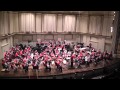
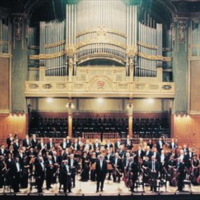
St. Louis Symphony’s Spotify BioThe St. Louis Symphony Orchestra is the second oldest professional orchestra in the U.S.; only the New York Philharmonic was established earlier. Though its history has been turbulent at times, the quality and prestige of the St. Louis Symphony has shown through in performances and recordings, for which it has been nominated for 60 Grammy Awards, with nine wins.
The SLSO was founded in 1880 as the St. Louis Choral Society by its first music director, Joseph Otten. It originally focused on choral works, and in 1881-1882, was accompanied by a small orchestra. In 1890, the St. Louis Choral Society merged with the St. Louis Musical Union, a small orchestra that was founded in 1881 by August Waldauer. With the merger, the name was changed to the St. Louis Choral-Symphony Society. Otten remained as the music director until 1894 when he was succeeded by Alfred Ernst. Ernst expanded the group's concert schedule, and when the World's Fair was held in St. Louis in 1904, he led the orchestra in… performances nearly every day of the fair. These appearances garnered new attention to the group from the city and state. Along with the arrival of its third music director in 1907, Max Zuch, the Society was renamed the St. Louis Symphony Orchestra. Zuch expanded the orchestra's concert schedule further and incorporated popular music concerts with classical to broaden the orchestra's audience. Following Zuch's death in 1921, Rudolf Genz was named the permanent conductor. Genz led the orchestra in children's concerts and on tours, but his programming choices of contemporary music by the likes of Stravinsky and Mahler were met disapprovingly by audiences, and he was forced to resign in 1927.
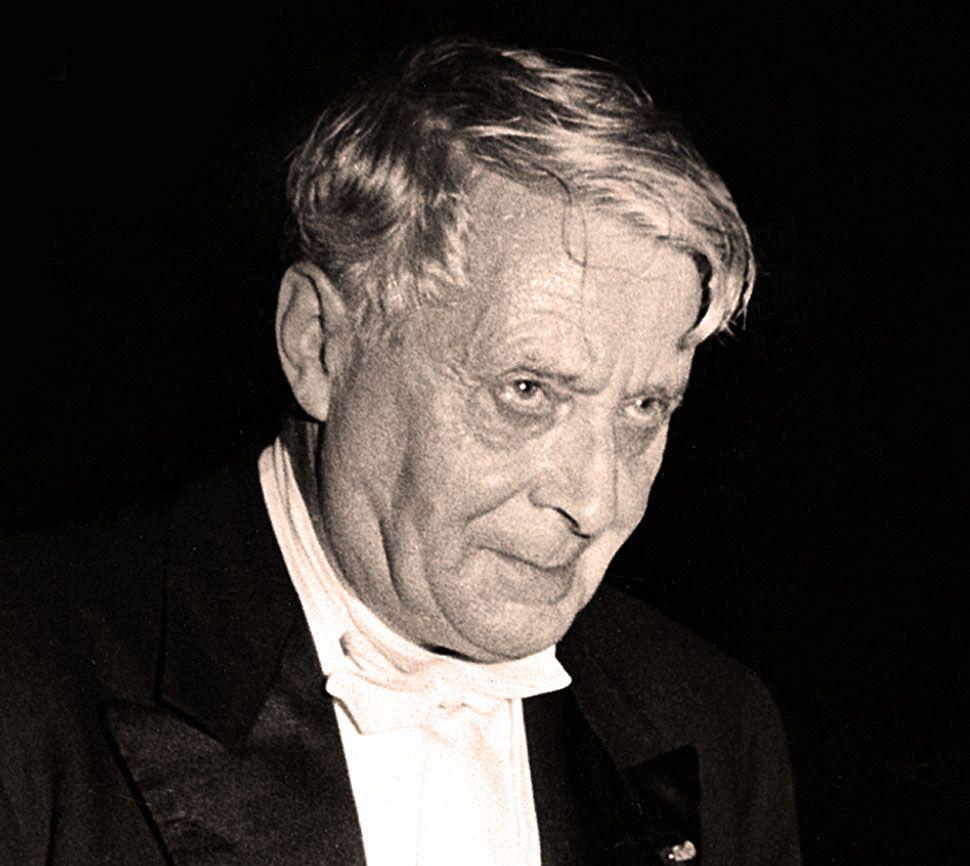
The SLSO was led by guest conductors for the next four seasons before hiring Vladimir Golschmann as its next music director in 1931. Under Golschmann, the SLSO attracted world-class soloists and higher quality principals. He led the SLSO until 1958, serving as conductor emeritus from 1955-1958 while the orchestra searched for its new director. Following Golschmann were Eduard van Remoortel (1958-1962) and Eleazar De Carvalho (1962-1968). Under De Carvalho, the SLSO moved to its current home at Powell Hall in 1968. De Carvalho's programming of contemporary music was met with a similar reaction from his audience as Genz years earlier. Walter Susskind (1968-1975) followed De Carvalho and returned the SLSO to a more standard repertoire. He expanded the roster further, raised the quality of the performances, and initiated several festivals with the orchestra, including the Mississippi River Festival. Susskind was succeeded by Jerzy Semkow (1975-1979). In 1976, Richard Hayman was brought on as the SLSO's pops conductor; he held this title until 2014.
In 1979, the SLSO hired Leonard Slatkin as its next music director; with this appointment, the SLSO cemented its role as a leader among orchestras in the U.S. and elsewhere. In 1970, Slatkin founded the St. Louis Youth Orchestra and accelerated the orchestra's recording output. He programmed a mix of standard and contemporary repertoire, with an emphasis on American music, commissioning and premiering many new works. Slatkin remained in this post until 1996 when he was named conductor laureate. Hans Vonk (1996-2002) followed Slatkin and was, in turn, followed by David Robertson (2005-2018). Under Robertson, the SLSO nurtured a long, fruitful relationship with composer John Adams: The SLSO, under Robertson, won a 2015 Grammy Award for John Adams: City Noir. In 2017, the SLSO announced Stéphane Denève as its next music director; he assumed this position in 2019.
The SLSO's recording history began in the 1930s under Golschmann. It has recorded for EMI, Nonesuch, its own label, Arch Media, and most notably, RCA, which signed Slatkin and the SLSO to a 30-release contract in the 1980s. Its recordings have been recognized by many organizations and with many awards. In 2019, the SLSO, led by Robertson and joined by soloist Orli Shaham, issued an album of Mozart piano concertos on Canary Classics.
Viberate is a music analytics platform built for A&Rs, artist managers, labels, booking agents, marketers, and artists.
It helps music professionals track artist growth, analyze audience data, monitor playlist activity, compare artists, follow song performance, and identify opportunities across the music market.
Public artist pages provide a free preview of selected artist data. Paid plans provide access to deeper analytics, historical data, charts, comparisons, playlist tools, exports, alerts, reports, and additional professional features.
Yes. Public Viberate artist pages provide selected artist analytics and music data for free.
Viberate also offers a 7-day free trial of the full platform. A credit card is required to start the trial. The trial includes access to the complete product so users can test deeper artist analytics, historical views, playlist insights, comparisons, charts, exports, alerts, and reporting features before choosing a paid plan.
Viberate provides artist analytics across streaming, playlists, social media, video, radio airplay, songs, and audience markets.
Users can analyze Spotify performance, Spotify and Apple Music playlists, YouTube activity, TikTok and Instagram growth, radio spins, song performance, audience locations, demographics, rankings, and overall artist momentum.
Artist profiles also connect to music charts, similar artists, and comparison tools, helping users benchmark performance and evaluate artists in context.
Viberate updates key artist and track data daily.
For followed artists and tracks, selected data is refreshed multiple times per day. This helps teams monitor playlist changes, streaming movement, audience growth, releases, and campaign performance with more current data.
Update frequency can vary depending on the metric and data source.
Yes. Viberate lets users compare up to five artists side by side across streaming, social media, audience, and engagement metrics.
Users can compare fanbase growth, audience demographics, locations, Spotify performance, social metrics, and other artist data over selected time periods.
Artist comparison can be used for A&R scouting, benchmarking, booking decisions, campaign planning, and evaluating artists with similar audiences or market positions.