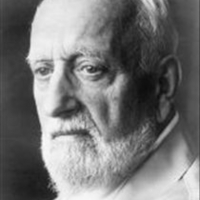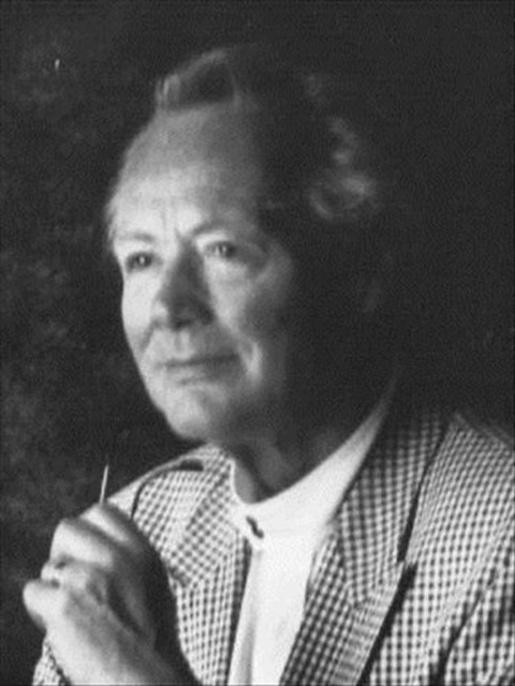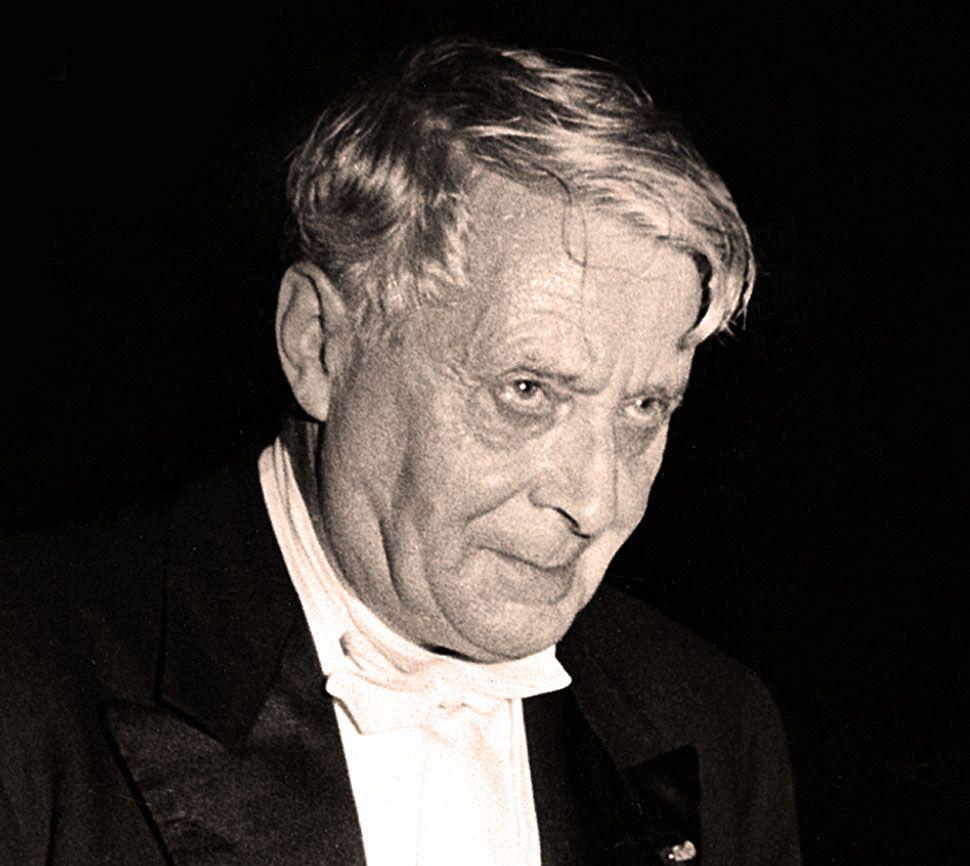
Charles Münch

Classical
Orchestral
Chamber Music
 Viberate Rank: 142380
 Viberate Rank: 142380
 Monthly ListenersFollowers
 Subscribers
 Followers
 Followers
 FansTop Spotify SongsTop YouTube VideosMonthly ListenersFeatured in Playlists
| Playlist | Followers | |
|---|---|---|
1 |  Violin Greatest Sony Classical & Jazz Benelux | 97.58K |
2 |  the most beautiful songs I’ve ever heard veronica | 42.87K |
3 | chello classics Megan Wold | 17.05K |
4 |  NPR Classical NPR Music | 14.43K |
5 | VIOLIN & PIANO & CHELO Francisco Diaz-Ney | 11.72K |
Audience| City | Monthly Listeners | |
|---|---|---|
1 | | 236 |
2 |  | 224 |
3 |  | 220 |
4 |  | 218 |
5 |  | 174 |
See full performance history, audience data, playlist activity, rankings, comparisons, and more in Viberate music analytics. Start with a free trial, then continue with a paid plan.
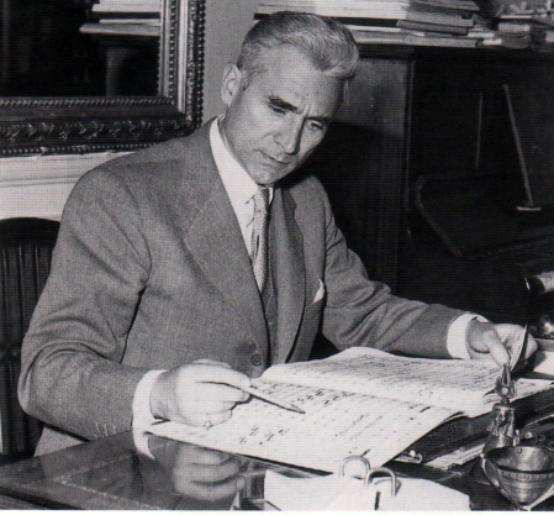
Charles Münch’s Spotify BioA genial conductor with a particular gift for French music, Charles Münch extended the Boston Symphony's glory years (begun under the baton of Serge Koussevitzky) into the early '60s. Münch was born in the province of Alsace-Lorraine, which at the time (1891) was controlled by Germany and has long hovered between two cultural worlds. Münch himself benefited from both French and German musical training, and his first important musical posts were in Germany. Yet he came to be regarded as the quintessential French conductor, and his recordings of French repertory with the Boston Symphony remain standards by which others are judged. Münch studied violin at the Strasbourg Conservatory, where his father was a professor, and, from 1912, in Paris with Lucien Capet. As an Alsatian, he was conscripted into the German army at the outbreak of World War I. Gassed and wounded as an artillery sergeant, he nevertheless survived the war through sheer resiliency. In 1919, upon returning to… Alsace-Lorraine (now back in French hands), he took French citizenship, and a violin professorship in Strasbourg. Nevertheless, his professional interests soon sent him to Germany; he studied violin with Carl Flesch in Berlin, then moved to Leipzig to take a violin professorship at the conservatory there, and then became concertmaster of the Leipzig Gewandhaus Orchestra from 1926 to 1933, during Furtwängler's tenure.
But it was back in Paris, in 1933, where Münch made his successful conducting debut in a self-financed concert with the Straram Orchestra. He conducted the Paris Orchestre de la Société Philharmonique (1935-1938) and in 1937 was named director of the Société des Concerts du Conservatoire de Paris, a post he held through World War II. Münch introduced many new works, including, in 1945, Messiaen's L'Ascension; he quickly became known as a conductor attentive to music's larger formal structures, as well as details of color and sonority. Despite his allegiances 25 years before, Münch refused to collaborate with the Nazis, and indeed supported the French resistance; he was awarded the Légion d'honneur in 1945.
Münch's career quickly accelerated after the war. In 1946, he made his debut with the Boston Symphony (and several other American orchestras) as a guest conductor, and he toured America with the French National Radio Orchestra in 1948. The following year, he was appointed music director of the Boston Symphony, which he took on an unprecedented tour of the Soviet Union in 1956. Münch retired from the BSO in 1962 but continued to guest conduct, and helped Serge Baudo launch the Orchestre de Paris in 1967. On tour in America with that orchestra, he died the following year.
Münch was easygoing in rehearsal, reluctant to drill the spontaneity out of an orchestra. He was particularly noted as an elegant, colorful interpreter of French music of the nineteenth and twentieth centuries; his recordings of that material with the Boston Symphony for RCA are still regarded as classics of their kind. He was a strong advocate for the Franco-Swiss composers of his own generation, especially Roussel, Milhaud, and Honegger. But he also had a good touch with the conservative contemporary music of other lands, as may be heard in his few but important recordings of Martinu, Piston, and Barber. Indeed, during his Boston years Münch's commitment to American music was almost as strong as his allegiance to new French works.
Viberate is a music analytics platform built for A&Rs, artist managers, labels, booking agents, marketers, and artists.
It helps music professionals track artist growth, analyze audience data, monitor playlist activity, compare artists, follow song performance, and identify opportunities across the music market.
Public artist pages provide a free preview of selected artist data. Paid plans provide access to deeper analytics, historical data, charts, comparisons, playlist tools, exports, alerts, reports, and additional professional features.
Yes. Public Viberate artist pages provide selected artist analytics and music data for free.
Viberate also offers a 7-day free trial of the full platform. A credit card is required to start the trial. The trial includes access to the complete product so users can test deeper artist analytics, historical views, playlist insights, comparisons, charts, exports, alerts, and reporting features before choosing a paid plan.
Viberate provides artist analytics across streaming, playlists, social media, video, radio airplay, songs, and audience markets.
Users can analyze Spotify performance, Spotify and Apple Music playlists, YouTube activity, TikTok and Instagram growth, radio spins, song performance, audience locations, demographics, rankings, and overall artist momentum.
Artist profiles also connect to music charts, similar artists, and comparison tools, helping users benchmark performance and evaluate artists in context.
Viberate updates key artist and track data daily.
For followed artists and tracks, selected data is refreshed multiple times per day. This helps teams monitor playlist changes, streaming movement, audience growth, releases, and campaign performance with more current data.
Update frequency can vary depending on the metric and data source.
Yes. Viberate lets users compare up to five artists side by side across streaming, social media, audience, and engagement metrics.
Users can compare fanbase growth, audience demographics, locations, Spotify performance, social metrics, and other artist data over selected time periods.
Artist comparison can be used for A&R scouting, benchmarking, booking decisions, campaign planning, and evaluating artists with similar audiences or market positions.