Spyro Gyra

Jazz
Jazz Fusion
Smooth Jazz
 Viberate Rank: 33995
 Viberate Rank: 33995
 Monthly ListenersFollowers
 Subscribers
 Followers
 Followers
 FansTop Spotify Songs
| Track | 7-Day Streams | |
|---|---|---|
1 | 44.63K | |
2 | 22.19K | |
3 | 17.04K | |
4 | 11.86K | |
5 | 10.24K |
Top YouTube Videos| Video | 7-Day Views | |
|---|---|---|
1 | 566 | |
2 | 251 | |
3 | 250 | |
4 | 243 | |
5 | 209 |
Monthly ListenersFeatured in Playlists| Playlist | Followers | |
|---|---|---|
1 |  Jazz-Funk Spotify | 425.91K |
2 |  Fusion Fest Spotify | 220.07K |
3 |  Smooth Jazz Classics Spotify | 194.35K |
4 |  Smooth Jazz - Instrumental Pekka Martikainen | 141.77K |
5 |  Elevator Music Smash Meatchunk | 136.33K |
Audience| City | Monthly Listeners | |
|---|---|---|
1 |  | 3.02K |
2 | | 2.62K |
3 |  | 2.46K |
4 | | 2.43K |
5 | | 2.30K |
See full performance history, audience data, playlist activity, rankings, comparisons, and more in Viberate music analytics. Start with a free trial, then continue with a paid plan.
Spyro Gyra’s Spotify BioOne of the most consistently commercially successful pop-jazz groups to emerge from the fusion era, Spyro Gyra broke through in the mid-'70s, combining R&B and elements of pop and Caribbean music with jazz. Known for their stimulating live performances and knack for crafting danceable melodies, they have issued a steady stream of high-charting albums like 1979's gold-certified Morning Dance, which spawned the hit title track and firmly established Spyro Gyra as one of the most popular artists in contemporary jazz. Grammy nominations followed, including for 1980's Catching the Sun (which also reached number 19 on the Billboard 200), 1990's Fast Forward (which topped the contemporary jazz chart), and 2009's Down the Wire. They again reached the Top Ten of the Jazz Albums chart with both 2011's Foreign Affair and 2019's Vinyl Tap before celebrating their 50th anniversary with the 2024 anthology Jubilee.
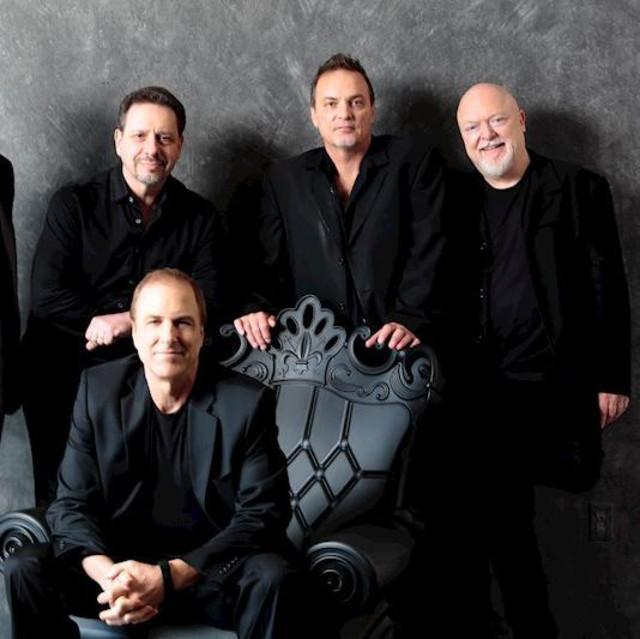
The roots of Spyro Gyra were planted in Buffalo, New York, in 1974. Saxophonist Jay… Beckenstein and his longtime friend, keyboardist Jeremy Wall, had been leading a group with a revolving membership; every one of the many members in the band were loosely involved in the local jazz and rock scenes. Around 1974, the group was beginning to gel and cultivate a following. A club owner who wanted to advertise an upcoming appearance by the band asked Beckenstein for the group's name. The saxophonist told him "Spirogyra," a word he learned in a college biology course. The owner misspelled the word as Spyro Gyra, and the band fell into place, featuring Beckenstein, Wall, Jim Kurzdorfer, and Tom Walsh. Not long afterward, the group added keyboardist Tom Schuman. Electric guitarist Chet Catallo, drummer Eli Konikoff, and percussionist Gerardo Velez all joined in 1978 (with Wall dropping out), and bassist David Wofford was added in 1980.
Spyro Gyra independently funded and recorded their debut album, releasing the record on the local independent label Amherst in 1976. The album slowly became a success and Amherst sold the rights to the band to Infinity Records, a division of MCA. Wall left the band in 1978, leaving Schuman as the group's main keyboardist. Morning Dance, their first album for Infinity, was released in 1979. The record became a major hit, spawning a Top 40 single with "Morning Dance" and going platinum. The album firmly established Spyro Gyra as one of the most popular artists in contemporary jazz, and throughout the '80s their popularity continued growing. Their albums were consistent best-sellers, and their concerts often sold out. Both 1980's Catching the Sun and 1981's Freetime reached the Top 50 of the Billboard 200.
In 1983, vibraphonist and marimba player Dave Samuels -- who had played on several of the group's albums -- became a full-fledged member of the band. Over the course of the '80s, the membership of Spyro Gyra fluctuated, but Beckenstein and Schuman remained at its core, keeping the group's signature sound intact. In 1987, they hit number one on Billboard's Contemporary Jazz Albums chart with Stories Without Words.
In 1990, MCA's jazz roster was absorbed by GRP, so Spyro Gyra switched labels, releasing Fast Forward, their first album for GRP, later that year. It found them returning to the top of the contemporary jazz charts. In 1993, Samuels left the touring band, but he continued to play in the studio. By the late '90s, the band featured Beckenstein, Schuman, Julio Fernandez, Joel Rosenblatt, and Scott Ambush, and released Got the Magic in 1999. Two years later, the group moved to the Telarc-affiliated Heads Up label and released In Modern Times in 2001, followed by Original Cinema in 2003. Drummer Rosenblatt left the band and was replaced by Ludwig Afonso for 2004's Deep End. A fourth Heads Up album, Good to Go-Go, was issued in 2007. The holiday album A Night Before Christmas followed in 2008.
In 2009, Spyro Gyra released their 31st album, Down the Wire. It charted in the Top Ten of the Billboard Jazz Albums chart and earned a Grammy nomination for Best Pop Instrumental Album. The group returned two years later with Foreign Affair, which found them drawing upon their world music influences. It landed at number two on the Billboard Jazz Albums chart and included guest appearances by Keb' Mo' and Arijit Singh, who appeared on the track "Khuda" singing in Hindi. The Rhinebeck Sessions arrived in 2013 and featured drummer Lee Pearson, who had replaced the departing Bonaparte in 2011. Pearson then left, replaced by Lionel Cordew in 2015.
In 2019, Spyro Gyra released Vinyl Tap, which found them reworking many of their favorite tracks from the vinyl era, including songs by Blind Faith, Cream, and jazz saxophonist Oliver Nelson, among others. By the end of 2023, keyboardist Schuman had left the group following his move to Europe and was replaced by Chris Fischer. Marking their 50th anniversary, Spyro Gyra hit the road, touring in support of their 2024 anthology collection Jubilee, which compiled some of the group's most crucial early recordings from 1977 to 1987. Along with fan favorites like "Morning Dance," Shaker Song," and "Catching the Sun," it featured the new single "50/50." ~ Scott Yanow & Stephen Thomas Erlewine
Viberate is a music analytics platform built for A&Rs, artist managers, labels, booking agents, marketers, and artists.
It helps music professionals track artist growth, analyze audience data, monitor playlist activity, compare artists, follow song performance, and identify opportunities across the music market.
Public artist pages provide a free preview of selected artist data. Paid plans provide access to deeper analytics, historical data, charts, comparisons, playlist tools, exports, alerts, reports, and additional professional features.
Yes. Public Viberate artist pages provide selected artist analytics and music data for free.
Viberate also offers a 7-day free trial of the full platform. A credit card is required to start the trial. The trial includes access to the complete product so users can test deeper artist analytics, historical views, playlist insights, comparisons, charts, exports, alerts, and reporting features before choosing a paid plan.
Viberate provides artist analytics across streaming, playlists, social media, video, radio airplay, songs, and audience markets.
Users can analyze Spotify performance, Spotify and Apple Music playlists, YouTube activity, TikTok and Instagram growth, radio spins, song performance, audience locations, demographics, rankings, and overall artist momentum.
Artist profiles also connect to music charts, similar artists, and comparison tools, helping users benchmark performance and evaluate artists in context.
Viberate updates key artist and track data daily.
For followed artists and tracks, selected data is refreshed multiple times per day. This helps teams monitor playlist changes, streaming movement, audience growth, releases, and campaign performance with more current data.
Update frequency can vary depending on the metric and data source.
Yes. Viberate lets users compare up to five artists side by side across streaming, social media, audience, and engagement metrics.
Users can compare fanbase growth, audience demographics, locations, Spotify performance, social metrics, and other artist data over selected time periods.
Artist comparison can be used for A&R scouting, benchmarking, booking decisions, campaign planning, and evaluating artists with similar audiences or market positions.