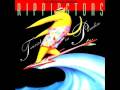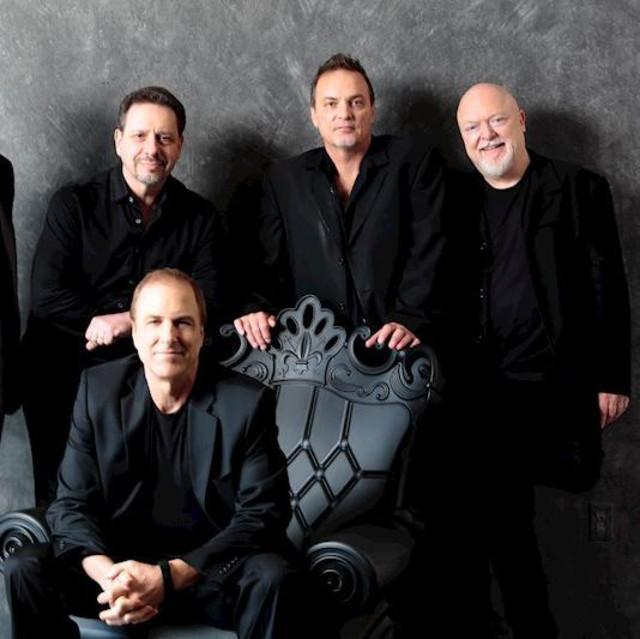
The Rippingtons

Jazz
Smooth Jazz
 Viberate Rank: 60785
 Viberate Rank: 60785
 Monthly ListenersFollowers
 Subscribers
 Followers
 Followers
 FansTop Spotify Songs
| Track | 7-Day Streams | |
|---|---|---|
1 | 24.15K | |
2 | 7.46K | |
3 | 5.86K | |
4 | 5.09K | |
5 | 4.72K |
Top YouTube VideosMonthly ListenersFeatured in Playlists| Playlist | Followers | |
|---|---|---|
1 |  Smooth Jazz Classics Spotify | 194.34K |
2 |  Smooth Jazz - Instrumental Pekka Martikainen | 141.77K |
3 |  Elevator Music Smash Meatchunk | 136.30K |
4 |  Bangers with Babish Andrew Rea | 89.63K |
5 |  INSTRUMENTAL MUSIC TO WORK TO: Chill, Ambient, Electronic Instrumental Mix Keats Handwriting | 51.84K |
Audience| City | Monthly Listeners | |
|---|---|---|
1 |  | 1.82K |
2 | | 1.65K |
3 | | 1.42K |
4 | | 1.29K |
5 | | 1.16K |
See full performance history, audience data, playlist activity, rankings, comparisons, and more in Viberate music analytics. Start with a free trial, then continue with a paid plan.
The Rippingtons’ Spotify BioA hugely successful instrumental group led by guitarist Russ Freeman, the Rippingtons emerged in California in the late '80s playing a radio-friendly brand of contemporary jazz. The band's first album, 1987's Moonlighting, was a commercial success, buoyed by appearances from Kenny G and David Benoit. Over the course of the band's first decade, they would score six number one Billboard Top Contemporary Jazz albums including 1991's Curves Ahead, 1997's Black Diamond, and 2016's True Stories. Along the way, they also helped launch the careers of several smooth jazz stars including saxophonists Jeff Kashiwa, Dave Koz, and Eric Marienthal.
Formed in 1985, the Rippingtons initially formed as an all-star studio ensemble led by Russ Freeman. A Nashville native, Freeman had studied music at Cal Arts and UCLA before launching his solo career in 1985. Approached by the Japanese Alfa label, he brought along a handful of fellow West Coast rising stars including David Benoit, Kenny G., Gregg Karukas,… Brandon Fields, and others. Together, they issued the band's 1987 debut, Moonlighting, which was released domestically by Passport and became a hit, reaching number five on Billboard's Top Contemporary Jazz Albums chart. Several more Top Five Billboard jazz albums followed, including 1988's Kilimanjaro and 1989's Tourist in Paradise. All these albums showcased the band's hooky, groove-based pop-jazz.
In 1990, Freeman and the Rippingtons signed with GRP and released their fourth album, Welcome to the St. James Club. Their first album to feature saxophonist Jeff Kashiwa (who'd replaced the departing Fields), it landed at number one on the contemporary jazz charts. A second number one album, Curves Ahead, arrived the following year and included guest spots by saxophonist Kirk Whalum, pianist Dave Grusin, saxophonist Nelson Rangell, and drummer Omar Hakim. The group fared equally well on their subsequent GRP efforts, with 1992's Weekend in Monaco, 1994's Sahara, and 1996's Brave New World, the latter of which featured saxophonist Eric Marienthal. In the mid- '90s, Freeman and his manager Andi Howard formed their own Peak label, which would be the main imprint for the Rippingtons (even as they moved from GRP to Windham Hill). In 1997, they celebrated the band's tenth anniversary with the release of the contemporary jazz album Black Diamond. Topaz followed two years later and reached number two on the chart. It also marked the departure of Kashiwa, who left the band to pursue his solo career.
In 2000, the Rippingtons issued their 11th studio album, Life in the Tropics, which found saxophonist Dave Koz taking over for Kashiwa. For 2003's Let It Ripp, the band worked with a horn section featuring Jerry Hey, Gary Grant, and Steven Hoffman. The Latin-flavored Wild Card followed in 2005, and included guest spots by Willy Chirino, Chante Moore, and Albita. The band returned in 2009 with Modern Art, which earned them their first Grammy nomination for Best Pop Instrumental Album. In 2011, the Rippingtons released the South of France-inspired Côte d'Azur, followed two years later by Built to Last, the latter of which hit number one on the contemporary jazz albums chart. The band's 20th studio album, Fountain of Youth, appeared in 2014. In 2016, the Rippingtons celebrated their 30th anniversary with the release of True Stories, which featured the return of original member, saxophonist Brandon Fields. The full-length Open Road arrived in 2019. ~ Matt Collar, Rovi
Viberate is a music analytics platform built for A&Rs, artist managers, labels, booking agents, marketers, and artists.
It helps music professionals track artist growth, analyze audience data, monitor playlist activity, compare artists, follow song performance, and identify opportunities across the music market.
Public artist pages provide a free preview of selected artist data. Paid plans provide access to deeper analytics, historical data, charts, comparisons, playlist tools, exports, alerts, reports, and additional professional features.
Yes. Public Viberate artist pages provide selected artist analytics and music data for free.
Viberate also offers a 7-day free trial of the full platform. A credit card is required to start the trial. The trial includes access to the complete product so users can test deeper artist analytics, historical views, playlist insights, comparisons, charts, exports, alerts, and reporting features before choosing a paid plan.
Viberate provides artist analytics across streaming, playlists, social media, video, radio airplay, songs, and audience markets.
Users can analyze Spotify performance, Spotify and Apple Music playlists, YouTube activity, TikTok and Instagram growth, radio spins, song performance, audience locations, demographics, rankings, and overall artist momentum.
Artist profiles also connect to music charts, similar artists, and comparison tools, helping users benchmark performance and evaluate artists in context.
Viberate updates key artist and track data daily.
For followed artists and tracks, selected data is refreshed multiple times per day. This helps teams monitor playlist changes, streaming movement, audience growth, releases, and campaign performance with more current data.
Update frequency can vary depending on the metric and data source.
Yes. Viberate lets users compare up to five artists side by side across streaming, social media, audience, and engagement metrics.
Users can compare fanbase growth, audience demographics, locations, Spotify performance, social metrics, and other artist data over selected time periods.
Artist comparison can be used for A&R scouting, benchmarking, booking decisions, campaign planning, and evaluating artists with similar audiences or market positions.