David Sanborn

Jazz
Smooth Jazz
Jazz Fusion
 Viberate Rank: 36865
 Viberate Rank: 36865
 Monthly ListenersFollowers
 Subscribers
 Followers
 Followers
 FansTop Spotify Songs
| Track | 7-Day Streams | |
|---|---|---|
1 | 38.42K | |
2 | 12.27K | |
3 | 12.02K | |
4 | 9.79K | |
5 | 9.71K |
Top YouTube VideosMonthly ListenersFeatured in Playlists| Playlist | Followers | |
|---|---|---|
1 | Classic Rock Greatest Hits Scott Pruden | 341.40K |
2 |  Romantic Smooth Jazz Spotify | 176.29K |
3 |  Just Jazz Spotify | 173.67K |
4 |  Smooth Jazz - Instrumental Pekka Martikainen | 141.77K |
5 |  Elevator Music Smash Meatchunk | 136.30K |
Audience| City | Monthly Listeners | |
|---|---|---|
1 |  | 13.68K |
2 | | 6.69K |
3 | | 6.08K |
4 | | 4.16K |
5 | | 2.39K |
See full performance history, audience data, playlist activity, rankings, comparisons, and more in Viberate music analytics. Start with a free trial, then continue with a paid plan.
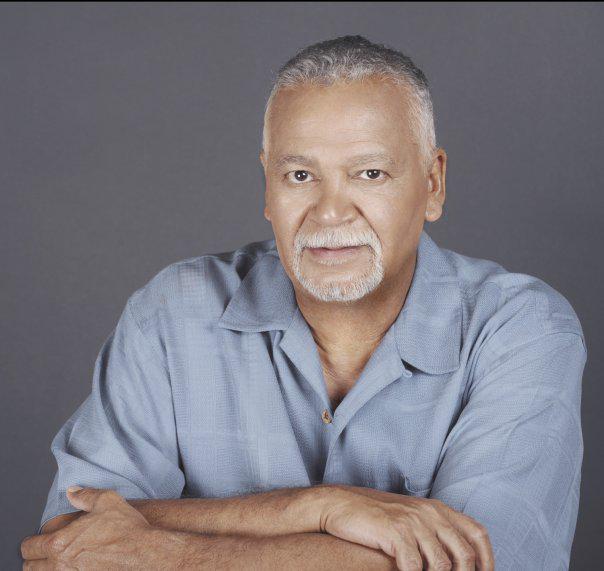
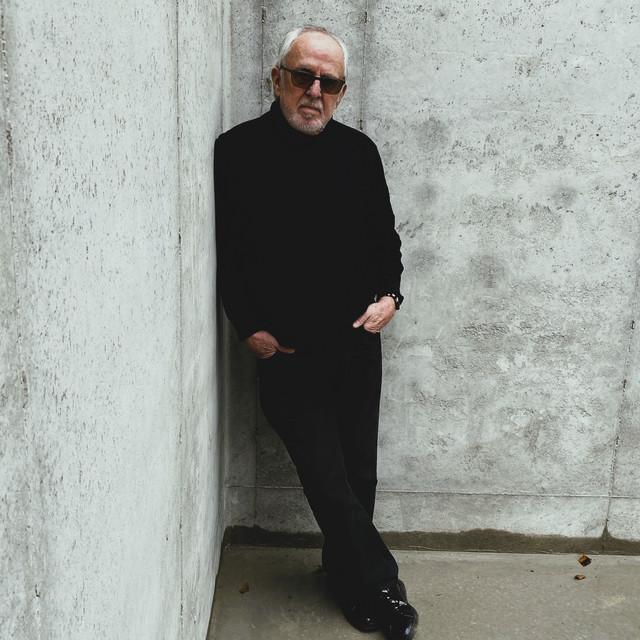
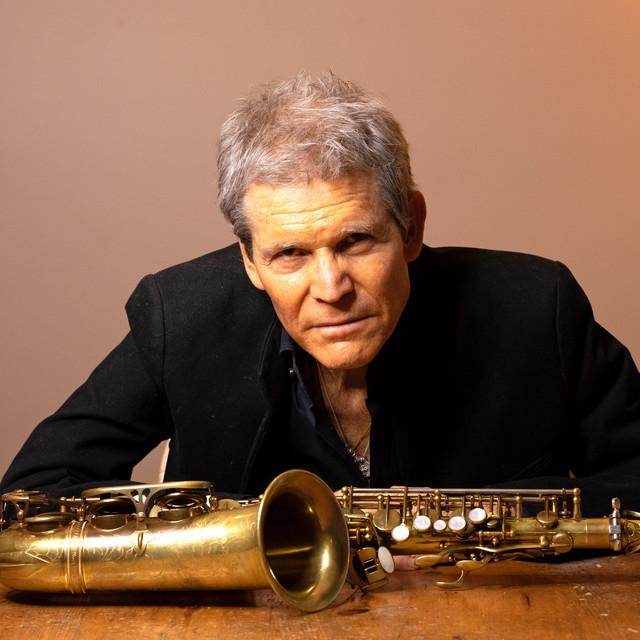
David Sanborn’s Spotify BioMulti-Grammy-winning saxophonist, composer, and arranger David Sanborn was among the most commercially successful saxophonists to emerge from the 1970s, carving out a career that saw him playing all types of jazz as well as rock, soul, and R&B with a biting, instantly recognizable tone that was always passionate and completely committed. A pioneer of smooth and contemporary jazz, he was also a prolific session player whose horn has graced recordings by more than 100 artists including Stevie Wonder, David Bowie, Esther Phillips, James Brown, and Ween. His second album, 1977's Promise Me the Moon, made the jazz charts and precipitated a three-decade chart and sales run that included albums such as 1980's smash hit Hideaway, 1984's live Straight to the Heart, and 1985's Double Vision with Bob James. From 1988 to 1990, Sanborn hosted the eclectic Night Music television program that hosted an astonishing range of musicians playing and discussing their craft. 1992's Upfront hit the top spot… on the Contemporary Jazz charts. After moving to Verve, 2004's Closer registered at number two. During the new century's second decade, Sanborn continued to hone his craft and stay relevant, re-teaming with James for the charting Quartette Humaine, accompanying vibraphonist Bobby Hutcherson on the post-bop outing Only Everything in 2014, and topping the contemporary jazz charts again with 2015's universally acclaimed Time and the River.
Sanborn was born in Tampa, Florida, but raised in Kirkwood, Missouri, a suburb of St. Louis. Contracting polio at the age of three, he struggled with the disease for eight years. In its aftermath, he began to play saxophone on the advice of a doctor, who thought it would aid him in strengthening his chest muscles. Sanborn's practice sessions became marathons. His first major influence on the alto was Hank Crawford, whose openly emotional tone he admired. The youngster made his professional debut at the age of 14 in 1959, playing with visiting Chicago bluesmen Little Milton and Albert King.
Sanborn later traveled to California and met Paul Butterfield in 1965. After relocating to the Bay Area, he joined the Butterfield Blues Band. He appeared with them at Woodstock and went on to record with them. He began a long association with Gil Evans while simultaneously playing as a sessionman. Some of the classic records he played on during the era include Bobby Charles' eponymous album, Stevie Wonder's Talking Book, Todd Rundgren's A Wizard, A True Star, David Bowie's Young Americans (the iconic solo on the title track is his), Tommy Bolin's Teaser, James Taylor's You Make It Easy, and Michael Franks' The Art of Tea. During the rest of the decade, he cut two more albums and worked live and in the studio with a dizzying array of artists from Steve Forbert and Ian Hunter to Chaka Khan, the Fania All-Stars, and Bonnie Raitt.
Relocating to New York, Sanborn's first real break as a leader came with 1980's Hideaway, which hit number two on the Jazz Albums chart and number 33 on the R&B Albums chart and marked the beginning of a long association with bassist/producer Marcus Miller. It was the dawn of smooth jazz. He followed it with Voyeur a year later. The album's single, "All I Need Is You," netted him his first Grammy Award for Best R&B Instrumental Performance. The full-length was the first of four straight '80s albums to hit the top spot on the jazz charts. In 1983, he recorded As We Speak, Backstreet (with Luther Vandross as guest vocalist), and Straight to the Heart. Despite the rigorous demands of touring and recording that chart success demanded, Sanborn remained committed to playing on records by other artists (Billy Joel, Rickie Lee Jones, and George Benson among them). He also continued his live and recording work with Evans. 1987's A Change of Heart topped out at number three on the jazz charts.
Though he had been composing film scores since 1975 (Moment to Moment), his career in this medium took off in 1986 with Psycho III. From the late '80s to the mid-'90s he also wrote scores for Lethal Weapon 2, 3, and 4. He became a regular guest of Paul Schaeffer's band on Late Night with David Letterman and co-hosted the television program Night Music with sidekick and pianist Jools Holland. The eclectic program, which ran in 1988 and 1989, featured guests like Sonny Rollins, Marianne Faithfull, Sonic Youth, John Zorn, Iggy Pop, and Sun Ra, who performed their own work, discussed it in depth with the host, and jammed with the house band under musical directors Marcus Miller and George Duke. Canceled after two seasons, it has since developed a reputation as one of the finest musical series in television history.
In 1991 Sanborn moved over to Elektra and released Another Hand, which became his most revered album among jazz fans. Produced by Hal Willner, it featured a band consisting of Bill Frisell, Charlie Haden, Jack DeJohnette, and Marc Ribot. He followed it with Upfront, the hard-grooving, bluesy soul-jazz set that placed more emphasis on the Hammond B-3 than his saxophone and featured guest spots by William "Spaceman" Patterson and Eric Clapton. 1994's Hearsay bridged the musical gap between the two previous albums but was a funkier, larger band date overall. The decade saw him shift toward his own music more than session appearances, but he still made plenty, including dates with Dave Stewart, Oleta Adams, and Branford Marsalis' Buckshot LeFonque.
Sanborn shifted gears again for 1995's Hearsay, a collection of standards with Johnny Mandel's orchestra which revealed yet another side of the altoist. Inside, released in 1999, was another large-scope project and featured a host of vocalists including Cassandra Wilson, Sting, Lalah Hathaway, and Eric Benet. It garnered Sanborn the Grammy for Best Contemporary Jazz Performance. Sanborn moved to Verve for 2003's Time Again, a contemporary collection of pop, R&B, and jazz standards. He followed that vein for 2005's Closer, which focused more on jazz standards with an understated electric band. He pulled out all the stops on Here & Gone, a gritty, soulful, rocking tribute to Ray Charles in 2008 with guests including Sam Moore, Derek Trucks, Eric Clapton, and Joss Stone, and released a sequel with 2010's Only Everything.
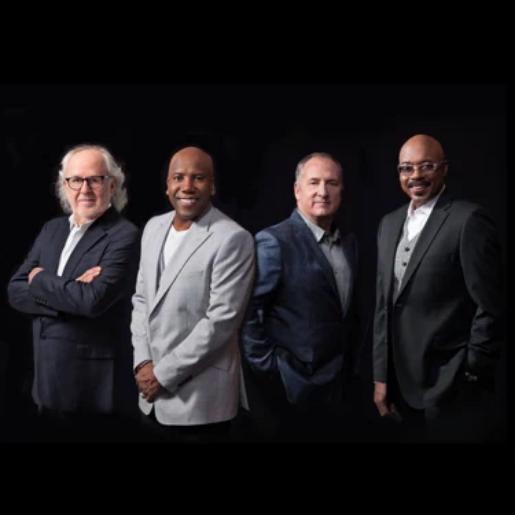
In 2013, Sanborn teamed with Bob James to co-lead on Quartette Humaine, a collection of funky contemporary jazz and more thoughtful post-bop sounds that also featured bassist James Genus and drummer Steve Gadd. The following year he was a member of the four-person quartet that released Enjoy the View on Blue Note. His co-leaders were Bobby Hutcherson, Joey DeFrancesco, and drummer Billy Hart. While playing regular gigs on Letterman and performing live all over the globe, the saxophonist embarked on a crowd-funding campaign to support his 25th release. He reunited with Miller as both producer and bassist -- it was the pair's first collaboration in 15 years. The finished album featured Sanborn in a large group setting with guest vocal appearances by Randy Crawford and Tower of Power's Larry Braggs. The set was issued by Sony/Okeh in the spring of 2015 as Time & the River.
After more touring and session work, the saxophonist, working in his home studio in New York, created the Sanborn Sessions in 2019. It was an internet broadcast that extended musical terrain carved out by Night Music nearly two decades before: guests perform their own music and jam with Sanborn's house band. Early guests included Kandace Springs, Michael McDonald, Terrace Martin, and Bob James. In July of 2020, to mark the occasion of Sanborn's 75th birthday, the U.K.'s Soul Music label issued the three-disc retrospective Anything You Want (The Warner-Reprise-Elektra Years 1975-1999) that featured rare mixes, radio edits, overlooked album tracks, and live versions drawn from the 17 solo albums Sanborn recorded during that 25-year period. It proved to be the last collection of his music released during his lifetime; he passed away on May 12, 2024, at the age of 78. ~ Thom Jurek, Rovi
Viberate is a music analytics platform built for A&Rs, artist managers, labels, booking agents, marketers, and artists.
It helps music professionals track artist growth, analyze audience data, monitor playlist activity, compare artists, follow song performance, and identify opportunities across the music market.
Public artist pages provide a free preview of selected artist data. Paid plans provide access to deeper analytics, historical data, charts, comparisons, playlist tools, exports, alerts, reports, and additional professional features.
Yes. Public Viberate artist pages provide selected artist analytics and music data for free.
Viberate also offers a 7-day free trial of the full platform. A credit card is required to start the trial. The trial includes access to the complete product so users can test deeper artist analytics, historical views, playlist insights, comparisons, charts, exports, alerts, and reporting features before choosing a paid plan.
Viberate provides artist analytics across streaming, playlists, social media, video, radio airplay, songs, and audience markets.
Users can analyze Spotify performance, Spotify and Apple Music playlists, YouTube activity, TikTok and Instagram growth, radio spins, song performance, audience locations, demographics, rankings, and overall artist momentum.
Artist profiles also connect to music charts, similar artists, and comparison tools, helping users benchmark performance and evaluate artists in context.
Viberate updates key artist and track data daily.
For followed artists and tracks, selected data is refreshed multiple times per day. This helps teams monitor playlist changes, streaming movement, audience growth, releases, and campaign performance with more current data.
Update frequency can vary depending on the metric and data source.
Yes. Viberate lets users compare up to five artists side by side across streaming, social media, audience, and engagement metrics.
Users can compare fanbase growth, audience demographics, locations, Spotify performance, social metrics, and other artist data over selected time periods.
Artist comparison can be used for A&R scouting, benchmarking, booking decisions, campaign planning, and evaluating artists with similar audiences or market positions.