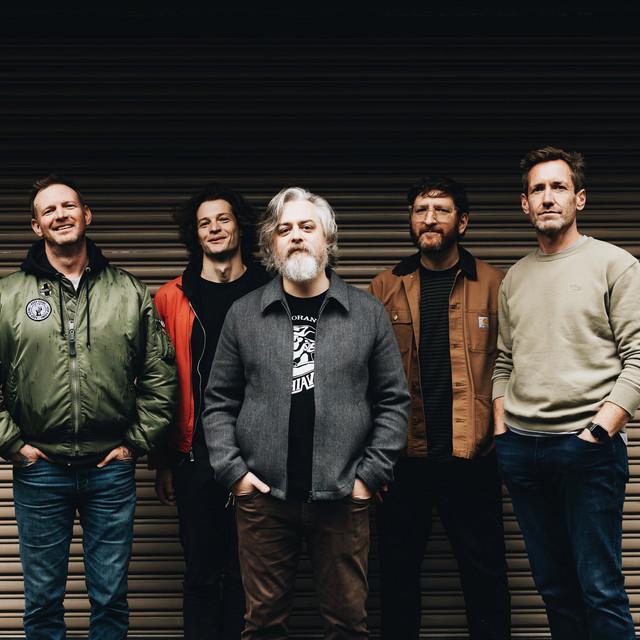
Sparta

Rock
Alternative Rock
Post Hardcore
 Viberate Rank: 71990
 Viberate Rank: 71990
 Monthly ListenersFollowers
 Subscribers
 Followers
 Followers
 FansTop Spotify Songs
| Track | 7-Day Streams | |
|---|---|---|
1 | 16.36K | |
2 | 10.42K | |
3 | 6.90K | |
4 | 6.16K | |
5 | 4.90K |
Top YouTube Videos| Video | 7-Day Views | |
|---|---|---|
1 | 1.53K | |
2 | 1.14K | |
3 | 191 |
Monthly ListenersFeatured in Playlists| Playlist | Followers | |
|---|---|---|
1 | GRUNGE zerubi | 80.90K |
2 |  The Sound of Everything The Sounds of Spotify | 53.81K |
3 | STREAMING MOTHERFUCKERS asmongold | 41.48K |
4 |  🍃✨🩵 nic 🪷 | 38.63K |
5 | Screamo/Post-Hardcore/Metalcore/Emocore Billy Storm | 31.91K |
Audience| City | Monthly Listeners | |
|---|---|---|
1 | | 2.09K |
2 | | 1.66K |
3 | | 1.36K |
4 | | 1.30K |
5 |  | 1.27K |
See full performance history, audience data, playlist activity, rankings, comparisons, and more in Viberate music analytics. Start with a free trial, then continue with a paid plan.
Sparta’s Spotify BioWhen it comes to his long and fruitful career in music, Jim Ward is not guided by vanity or money or some grand narrative in which he’s the central player. It’s all about the song, the melody, the lyric. So in late-2017, when he began making heavier, more riff-laden music, he rang his Sparta bandmate of more than 20 years, bassist Matt Miller, and began work on Trust The River, the band’s first album since 2006’s Threes.
Of their absence Ward notes, “I’ve made a real point to never break up a band, mostly because if you look at my history it’s filled with on-and-off-again projects. As much as I can control it, I don’t want there to be permanence.”
Making the album was a multi-month songwriting process that culminated in some of the most inspired recording sessions of his career, with help from Miller and drummer Cully Symington, and guitarist Gabriel Gonzalez. Also joining them was Austin-based musician-producer, David Garza.
Having been a member of heavy bands but also showcasing his… more melancholic side via his solo work, Ward says the new Sparta album feels like the logical meeting point of his influences. “Naturally it’s coming to this unity,” he says. “Those two worlds have always been on a path towards unity. And I knew in my heart that it was coming.”
Viberate is a music analytics platform built for A&Rs, artist managers, labels, booking agents, marketers, and artists.
It helps music professionals track artist growth, analyze audience data, monitor playlist activity, compare artists, follow song performance, and identify opportunities across the music market.
Public artist pages provide a free preview of selected artist data. Paid plans provide access to deeper analytics, historical data, charts, comparisons, playlist tools, exports, alerts, reports, and additional professional features.
Yes. Public Viberate artist pages provide selected artist analytics and music data for free.
Viberate also offers a 7-day free trial of the full platform. A credit card is required to start the trial. The trial includes access to the complete product so users can test deeper artist analytics, historical views, playlist insights, comparisons, charts, exports, alerts, and reporting features before choosing a paid plan.
Viberate provides artist analytics across streaming, playlists, social media, video, radio airplay, songs, and audience markets.
Users can analyze Spotify performance, Spotify and Apple Music playlists, YouTube activity, TikTok and Instagram growth, radio spins, song performance, audience locations, demographics, rankings, and overall artist momentum.
Artist profiles also connect to music charts, similar artists, and comparison tools, helping users benchmark performance and evaluate artists in context.
Viberate updates key artist and track data daily.
For followed artists and tracks, selected data is refreshed multiple times per day. This helps teams monitor playlist changes, streaming movement, audience growth, releases, and campaign performance with more current data.
Update frequency can vary depending on the metric and data source.
Yes. Viberate lets users compare up to five artists side by side across streaming, social media, audience, and engagement metrics.
Users can compare fanbase growth, audience demographics, locations, Spotify performance, social metrics, and other artist data over selected time periods.
Artist comparison can be used for A&R scouting, benchmarking, booking decisions, campaign planning, and evaluating artists with similar audiences or market positions.