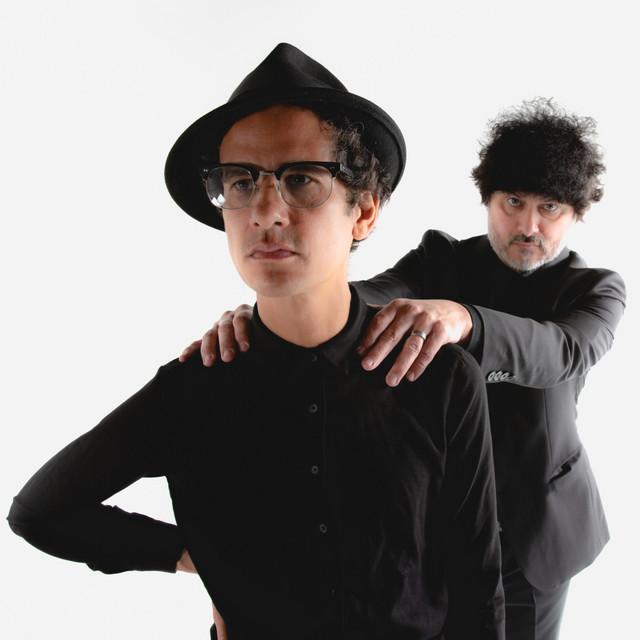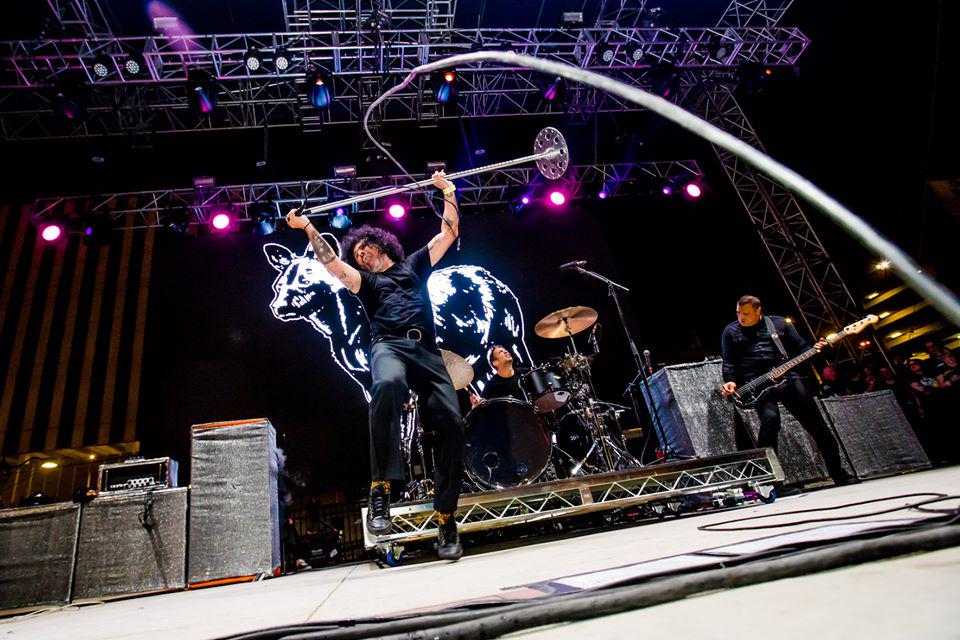
At The Drive In

Rock
Alternative Rock
Post Hardcore
 Viberate Rank: 29589
 Viberate Rank: 29589
 Monthly ListenersFollowers
 Subscribers
 Followers
 Followers
 FansTop Spotify Songs
| Track | 7-Day Streams | |
|---|---|---|
1 | 82.28K | |
2 | 26.69K | |
3 | 22.34K | |
4 | 17.76K | |
5 | 13.25K |
Top YouTube VideosMonthly ListenersFeatured in Playlists| Playlist | Followers | |
|---|---|---|
1 |  00s Rock Anthems Spotify | 6.20M |
2 | Best '90s Rock Playlist LUMA | 129.10K |
3 |  Emo’s Not Dead Matt Cutshall | 115.80K |
4 |  Midwest Emo Classics Mike | 63.09K |
5 | 2000's Emo & Pop Punk Jorden Z | 53.73K |
Audience| City | Monthly Listeners | |
|---|---|---|
1 | | 6.01K |
2 | | 5.05K |
3 |  | 4.69K |
4 | | 4.59K |
5 |  | 4.31K |
See full performance history, audience data, playlist activity, rankings, comparisons, and more in Viberate music analytics. Start with a free trial, then continue with a paid plan.
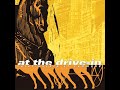
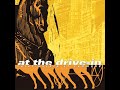
At The Drive In’s Spotify BioCombining emotional melodies and upbeat rhythms moving at an unpredictable rate, At the Drive-In definitely stuck out in their hometown of El Paso, Texas. Formed in early 1994, the group debuted soon after with its first EP, Hell Paso, followed by a brief tour across the Lone Star State. With a lineup secured by Cedric Bixler (vocals), Omar Rodriguez-Lopez and Jim Ward (guitar), Paul Hinojos (bass), and Tony Hajjar (drums), At the Drive-In released a second EP, Alfaro Vive, Carajo!, and toured mostly empty houses and clubs across the western United States. A small gig in Los Angeles -- with an audience consisting of only nine people -- somehow got the attention of Flipside Records, which released the band's first full-length, Acrobatic Tenement, in 1996. With constant energy and a stubborn enthusiasm to continue, At the Drive-In began to develop an audience, helped out by constant touring and word-of-mouth hype. Their 1997 follow-up EP, El Gran Orgo, had more of a melodic bite, but… their musical depth and originality remained. In/Casino/Out followed in 1998, and 2000 saw the release of Relationship of Command.
In 2001, the band went on indefinite hiatus. Bixler and Rodriguez-Lopez formed the Mars Volta, while Ward, Hajjar, and Hinojos moved on to Sparta. By May 2005 that hiatus looked pretty permanent, with both Sparta and the Volta's careers thriving and At the Drive-In issuing a retrospective compilation. This Station Is Non-Operational, released through Fearless domestically, included hits, rarities, cover songs (Smiths, Pink Floyd), and DVD content. In 2012, seemingly out of nowhere, the bandmembers announced that they would be reuniting and performing at the Coachella Festival that April. They went on to perform at a handful of other festivals that year, and reissued their first three albums on their own label, Twenty-First Chapter. In 2013, the Mars Volta dissolved, leaving the band open to a possibility that had been repeatedly shot down: recording new At the Drive-In music. To the delight of their loyal fans, three years later in 2016, the bandmembers announced they were heading back into the studio and would embark on a reunion world tour. However, they would be one man short. In March, mere days before the trek began, Ward announced he was leaving the group. At the end of the year, At the Drive-In returned with the single "Governed by Contagions." Months later, they revealed the title of their fourth album, in•ter a•li•a (Rise Records). Due to Ward not featuring on the release, the group recruited the talents of former Sparta guitarist Keeley Davis to contribute. The record arrived in May 2017 and featured "Governed by Contagions" and "Incurably Innocent" as lead singles. Later that year, in the midst of touring, they issued their fifth EP, Diamanté. ~ Mike DaRonco, Rovi
Viberate is a music analytics platform built for A&Rs, artist managers, labels, booking agents, marketers, and artists.
It helps music professionals track artist growth, analyze audience data, monitor playlist activity, compare artists, follow song performance, and identify opportunities across the music market.
Public artist pages provide a free preview of selected artist data. Paid plans provide access to deeper analytics, historical data, charts, comparisons, playlist tools, exports, alerts, reports, and additional professional features.
Yes. Public Viberate artist pages provide selected artist analytics and music data for free.
Viberate also offers a 7-day free trial of the full platform. A credit card is required to start the trial. The trial includes access to the complete product so users can test deeper artist analytics, historical views, playlist insights, comparisons, charts, exports, alerts, and reporting features before choosing a paid plan.
Viberate provides artist analytics across streaming, playlists, social media, video, radio airplay, songs, and audience markets.
Users can analyze Spotify performance, Spotify and Apple Music playlists, YouTube activity, TikTok and Instagram growth, radio spins, song performance, audience locations, demographics, rankings, and overall artist momentum.
Artist profiles also connect to music charts, similar artists, and comparison tools, helping users benchmark performance and evaluate artists in context.
Viberate updates key artist and track data daily.
For followed artists and tracks, selected data is refreshed multiple times per day. This helps teams monitor playlist changes, streaming movement, audience growth, releases, and campaign performance with more current data.
Update frequency can vary depending on the metric and data source.
Yes. Viberate lets users compare up to five artists side by side across streaming, social media, audience, and engagement metrics.
Users can compare fanbase growth, audience demographics, locations, Spotify performance, social metrics, and other artist data over selected time periods.
Artist comparison can be used for A&R scouting, benchmarking, booking decisions, campaign planning, and evaluating artists with similar audiences or market positions.