Minus The Bear

Rock
Indie Rock
Math Rock
 Viberate Rank: 41150
 Viberate Rank: 41150
 Monthly ListenersFollowers
 Subscribers
 Followers
 Followers
 FansTop Spotify Songs
| Track | 7-Day Streams | |
|---|---|---|
1 | 35.21K | |
2 | 17.21K | |
3 | 13.55K | |
4 | 10.54K | |
5 | 5.65K |
Top YouTube VideosMonthly ListenersFeatured in Playlists| Playlist | Followers | |
|---|---|---|
1 |  Emo Forever Spotify | 1.94M |
2 | Indie Sleaze Bangers Yolanda Carmen Perez | 79.55K |
3 |  Love, a Cosmic Dance Nick Synodis | 45.47K |
4 |  Alabama, Arkansas, I do love my Ma & Pa Bridgette Leva | 32.67K |
5 |  gnochi5000bea gnochi5000 | 22.96K |
Audience| City | Monthly Listeners | |
|---|---|---|
1 | | 4.15K |
2 | | 3.86K |
3 | | 3.14K |
4 | | 2.97K |
5 | | 2.83K |
See full performance history, audience data, playlist activity, rankings, comparisons, and more in Viberate music analytics. Start with a free trial, then continue with a paid plan.
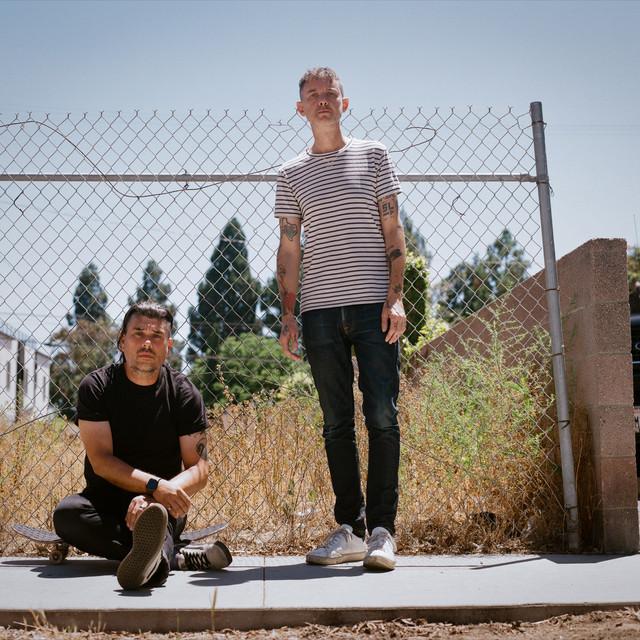
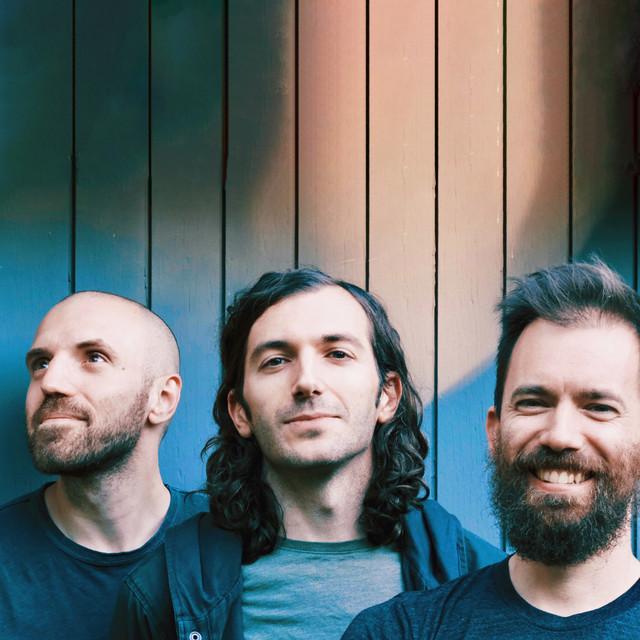
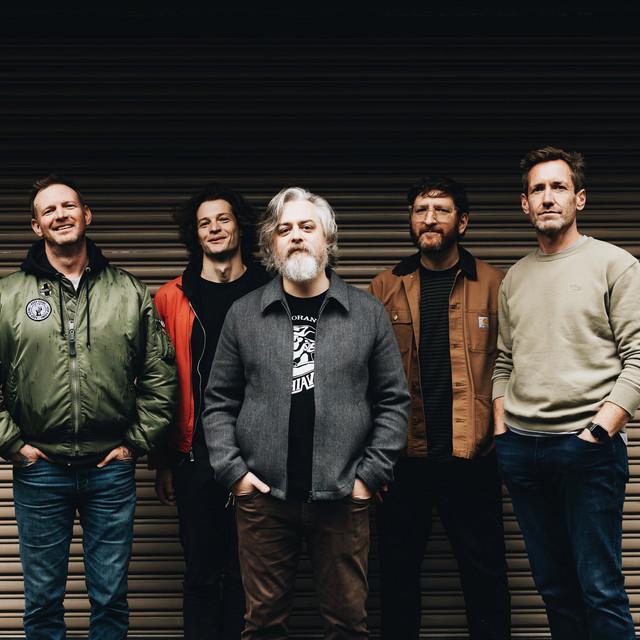
Minus The Bear’s Spotify BioOne of the more captivating acts to come out of the alt-to-indie rock shift that dominated the late '90s and early 2000s, Minus the Bear pair tight, looped beats and mathy electric-guitar finger-tapping with sinewy verse melodies that reveal rousing choruses. Featuring members of Botch, Kill Sadie, and Sharks Keep Moving, the group emerged on Seattle's music scene in 2001, drawing from a wide array of musical styles that included post-punk, new wave, experimental rock, classic rock, and indie pop. They issued six full-length albums, with highlights like 2007's Planet of Ice, 2010's Omni, and 2012's Infinity Overhead, all of which did well both critically and commercially, before announcing their retirement in 2018 after the release of their fourth and final EP, Fair Enough.
Formed around the talents of guitarist Dave Knudson, vocalist/guitarist Jake Snider, drummer Erin Tate, keyboard player Matt Bayles, and bassist Cory Murchy, the group released its debut EP, This Is What I Know About… Being Gigantic, on Suicide Squeeze Records in 2001. Though the bandmembers entered the recording booth before they ever played a show, they toured aggressively in support of the EP, then returned to the studio to record 2002's Highly Refined Pirates, their first full-length album. Their polished and cleverly arranged songs, which were built heavily around finger-tapped guitar riffs mixed with heady narratives, catchy melodies, and unexpected time changes, made them a favorite among the math rock crowd.
A pair of EPs (Bands Like It When You Yell "Yar!" at Them and They Make Beer Commercials Like This) arrived in 2004, followed in 2005 by their sophomore full-length effort Menos el Oso. A remix album, Interpretaciones del Oso, followed in early 2007, and in 2009 the band issued Planet of Ice, which was produced and recorded by Matt Bayles, who left the group the year prior to focus on his production work. It marked the studio debut of new keyboard player Alex Rose, and was the first Minus the Bear album to crack the U.S. Billboard 200. For their next full-length, the band moved to Dangerbird Records and headed into the studio with My Morning Jacket producer Joe Chiccarelli. The resulting Omni, released in 2010, yielded the fan favorites "My Time" and "Into the Mirror," the latter of which featured a guest vocal from Visqueen singer/guitarist Rachel Flotard.
Matt Bayles returned to produce 2012's Infinity Overhead, which would be the group's most commercially successful LP to date, appearing on multiple Billboard charts -- it would also be the last outing for drummer Erin Tate, who left the group in 2015. In 2014 Minus the Bear returned with Lost Loves, a B-sides and rarities collection featuring songs culled from the recording sessions of their previous three studio albums. Arriving in 2017, Voids signaled a return to Suicide Squeeze, and marked the studio debut of drummer Kiefer Matthias. It would also be the band's last full-length effort, with 2018's Fair Enough EP closing the door on Minus the Bear's impressive 17-year run. The group supported the release with an accompanying farewell tour, which yielded the 2021 concert LP Farewell. ~ James Christopher Monger, Rovi
Viberate is a music analytics platform built for A&Rs, artist managers, labels, booking agents, marketers, and artists.
It helps music professionals track artist growth, analyze audience data, monitor playlist activity, compare artists, follow song performance, and identify opportunities across the music market.
Public artist pages provide a free preview of selected artist data. Paid plans provide access to deeper analytics, historical data, charts, comparisons, playlist tools, exports, alerts, reports, and additional professional features.
Yes. Public Viberate artist pages provide selected artist analytics and music data for free.
Viberate also offers a 7-day free trial of the full platform. A credit card is required to start the trial. The trial includes access to the complete product so users can test deeper artist analytics, historical views, playlist insights, comparisons, charts, exports, alerts, and reporting features before choosing a paid plan.
Viberate provides artist analytics across streaming, playlists, social media, video, radio airplay, songs, and audience markets.
Users can analyze Spotify performance, Spotify and Apple Music playlists, YouTube activity, TikTok and Instagram growth, radio spins, song performance, audience locations, demographics, rankings, and overall artist momentum.
Artist profiles also connect to music charts, similar artists, and comparison tools, helping users benchmark performance and evaluate artists in context.
Viberate updates key artist and track data daily.
For followed artists and tracks, selected data is refreshed multiple times per day. This helps teams monitor playlist changes, streaming movement, audience growth, releases, and campaign performance with more current data.
Update frequency can vary depending on the metric and data source.
Yes. Viberate lets users compare up to five artists side by side across streaming, social media, audience, and engagement metrics.
Users can compare fanbase growth, audience demographics, locations, Spotify performance, social metrics, and other artist data over selected time periods.
Artist comparison can be used for A&R scouting, benchmarking, booking decisions, campaign planning, and evaluating artists with similar audiences or market positions.