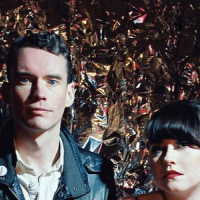
Sons And Daughters

Rock
Alternative Rock
Indie Rock
 Viberate Rank: 231426
 Viberate Rank: 231426
 Monthly ListenersFollowers
 Subscribers
 Followers
 Followers
 FansTop Spotify Songs
| Track | 7-Day Streams | |
|---|---|---|
1 | 1.33K | |
2 | 550 | |
3 | 290 | |
4 | 273 | |
5 | 266 |
Top YouTube VideosMonthly ListenersFeatured in Playlists| Playlist | Followers | |
|---|---|---|
1 |  Made in Scotland Spotify | 95.25K |
2 | Weeds - Soundtrack Kukuxumusu Fm | 12.16K |
3 |  If you like The Smiths Agus Arcolia | 7.16K |
4 | The Wicked + The Divine Kieron Gillen | 6.88K |
5 |  All EA Sports NHL Soundtracks (NHL 2001-NHL 26) NHL Soundtracks | 6.66K |
Audience| City | Monthly Listeners | |
|---|---|---|
1 | | 286 |
2 | | 268 |
3 | | 119 |
4 |  | 91 |
5 |  | 87 |
See full performance history, audience data, playlist activity, rankings, comparisons, and more in Viberate music analytics. Start with a free trial, then continue with a paid plan.
Sons And Daughters’ Spotify BioGlasgow's Sons and Daughters don't follow the indie pop formula made famous by their counterparts (Belle & Sebastian, Camera Obscura). Adele Bethel, David Gow, Scott Paterson, and Ailidh Lennon, who formed the group in 2001, compose a rough-cast folk-rock sound similar to the likes of Smog and Cat Power. Prior to getting together, Bethel (vocals and guitar) and Gow (drums) toured and recorded with the Zephyrs and Arab Strap. Paterson (guitar/bass) chiefed March of Dimes for a short time while Lennon (mandolin/bass) studied classical composition at a university nearby. In 2002, Sons and Daughters self-released the Lovers EP. Love the Cup, an intriguing homage to Johnny Cash, followed a year later. In 2005, Sons and Daughters issued their studio full-length, The Repulsion Box. With the help of producer Bernard Butler, the band released its most fully realized album to date in 2008, This Gift. In sticking with their "record every three years" plan, Mirror Mirror was issued in 2011. With… production from Optimo's J.D. Twitch, the band stripped back its sound and delivered its most dramatic record thus far. ~ MacKenzie Wilson, Rovi
Viberate is a music analytics platform built for A&Rs, artist managers, labels, booking agents, marketers, and artists.
It helps music professionals track artist growth, analyze audience data, monitor playlist activity, compare artists, follow song performance, and identify opportunities across the music market.
Public artist pages provide a free preview of selected artist data. Paid plans provide access to deeper analytics, historical data, charts, comparisons, playlist tools, exports, alerts, reports, and additional professional features.
Yes. Public Viberate artist pages provide selected artist analytics and music data for free.
Viberate also offers a 7-day free trial of the full platform. A credit card is required to start the trial. The trial includes access to the complete product so users can test deeper artist analytics, historical views, playlist insights, comparisons, charts, exports, alerts, and reporting features before choosing a paid plan.
Viberate provides artist analytics across streaming, playlists, social media, video, radio airplay, songs, and audience markets.
Users can analyze Spotify performance, Spotify and Apple Music playlists, YouTube activity, TikTok and Instagram growth, radio spins, song performance, audience locations, demographics, rankings, and overall artist momentum.
Artist profiles also connect to music charts, similar artists, and comparison tools, helping users benchmark performance and evaluate artists in context.
Viberate updates key artist and track data daily.
For followed artists and tracks, selected data is refreshed multiple times per day. This helps teams monitor playlist changes, streaming movement, audience growth, releases, and campaign performance with more current data.
Update frequency can vary depending on the metric and data source.
Yes. Viberate lets users compare up to five artists side by side across streaming, social media, audience, and engagement metrics.
Users can compare fanbase growth, audience demographics, locations, Spotify performance, social metrics, and other artist data over selected time periods.
Artist comparison can be used for A&R scouting, benchmarking, booking decisions, campaign planning, and evaluating artists with similar audiences or market positions.