Art Brut

Rock
Indie Rock
 Viberate Rank: 123781
 Viberate Rank: 123781
 Monthly ListenersFollowers
 Subscribers
 Followers
 Followers
 FansTop Spotify Songs
| Track | 7-Day Streams | |
|---|---|---|
1 | 2.42K | |
2 | 1.82K | |
3 | 1.75K | |
4 | 1.46K | |
5 | 1.28K |
Top YouTube VideosMonthly ListenersFeatured in Playlists| Playlist | Followers | |
|---|---|---|
1 |  Fidi & Bumsi Spotify | 353.24K |
2 |  Daily Favs - Fynn Kliemanns wichtigste Musik Fynn Kliemann | 96.13K |
3 | EAFC & FIFA Soundtracks 94-27 Ross Hyland | 81.30K |
4 | Indie Sleaze Bangers Yolanda Carmen Perez | 79.55K |
5 |  The 500 Best Songs of the 2000s Pitchfork | 29.96K |
Audience| City | Monthly Listeners | |
|---|---|---|
1 | | 708 |
2 |  | 550 |
3 | | 352 |
4 | | 302 |
5 |  | 298 |
See full performance history, audience data, playlist activity, rankings, comparisons, and more in Viberate music analytics. Start with a free trial, then continue with a paid plan.
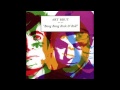
Art Brut’s Spotify BioDriven by Eddie Argos' enthusiastic spoken-sung vocals and witty insights on pop music, pop culture, and relationships, Art Brut make brilliantly simple art-punk. Upon their arrival in the early 2000s, Art Brut were considered part of the "Art Wave" scene that also included Franz Ferdinand and Bloc Party. However, they stood out from their contemporaries thanks to Argos' one-of-a-kind viewpoint, which was the heart and soul of the band's music on rawer albums like 2005's debut Bang Bang Rock & Roll as well as more polished ones such as 2011's Brilliant! Tragic! and 2018's Wham! Bang! Pow! Let's Rock Out! By the time archival releases like 2024's And Yes, This Is My Singing Voice! appeared, Art Brut were seen as standard-bearers for IDLES, Dry Cleaning, and other outspoken U.K. post-punk revivalists.
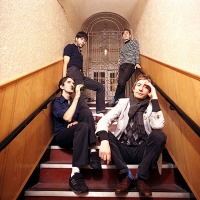
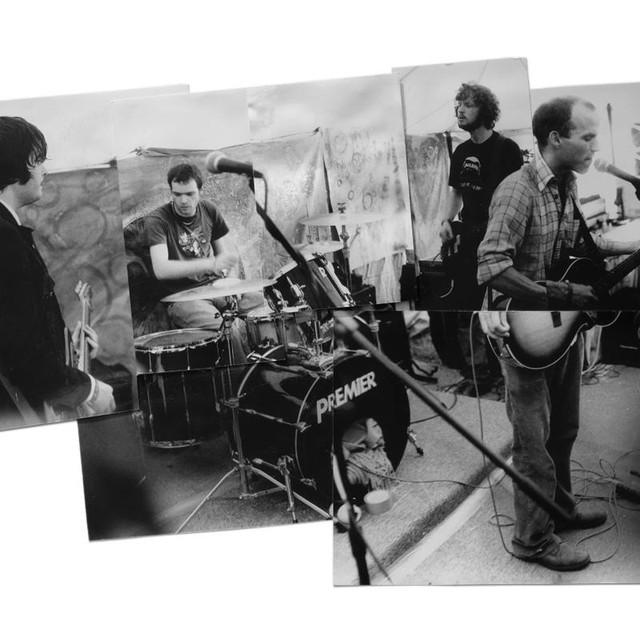
Art Brut formed in 2003, when singer (and Top of the Pops fan) Eddie Argos met guitarist Chris Chinchilla at an afterparty in London for the band Ciccone. Guitarist Ian Catskilkin, bassist… Frederica Feedback, and drummer Mikey Breyer joined soon after, completing the band's initial lineup. Taking their name from French painter Jean Dubuffet's definition of outsider art -- art by prisoners, loners, the mentally ill, and other marginalized people, and made without thought to imitation or presentation -- Art Brut recorded Brutlegs, a series of scrappy demos that earned the band a deal with Rough Trade. The label released one of the Brutlegs songs, "Formed a Band," in March 2004; the single reached number 52 on the U.K. Singles Chart.
Fierce Panda picked up Art Brut for the double A-side single "Modern Art/My Little Brother," which arrived in December 2004 and hit 49 on the U.K. Singles Chart. The label released the band's first full-length, Bang Bang Rock & Roll, the following May. Produced by John Fortis, the album featured cleaned-up versions of the Brutlegs songs and peaked at 116 on the U.K. Albums Chart. The album's next single, "Emily Kane," made it to 41 on the U.K. Singles Chart. Following an extensive tour of the U.K. and the U.S., Chinchilla left Art Brut and was replaced by Jasper Future, a member of Argos' former group the Art Goblins.
In 2006, the band moved to Mute for its U.K. label and worked with producer Dan Swift -- known for his work with Franz Ferdinand and Futureheads -- on their second album, June 2007's It's a Bit Complicated. The album built on the confessional, autobiographical songwriting of "Emily Kane" and peaked at 123 in the U.K. In the U.S., It's a Bit Complicated reached number 14 on the Billboard Heatseekers Chart and number 32 on the Independent Albums chart. The single "Direct Hit" also appeared on the soundtrack to EA Sports' FIFA 08.
After touring the world in support of It's a Bit Complicated, Art Brut went to Portland, Oregon in late 2008 to record songs with Pixies' Frank Black as producer. The sessions took just two weeks, and the band's third album, the raw Art Brut vs. Satan, was released in April 2009. Sporting artwork designed by graphic novelist Jeff Lemire, the album returned to the raw sounds of Art Brut's early days; it reached number 138 on the U.K. Albums Chart and 39 on the Independent Albums chart in the U.S. The following year, Argos' side project Everybody Was in the French Resistance...Now!, which also included the Blood Arm's Dyan Valdés, released its debut Fixin' the Charts, a set of songs written in response to hits by artists including Kanye West and Martha Reeves & the Vandellas. Argos also helmed the project Spoiler Alert, which issued a three-song EP about the DC Comics characters Batman, Booster Gold, and Blue Beetle in 2010.
In 2011, Art Brut reteamed with Frank Black to work on their fourth album, that May's Brilliant! Tragic! A comic book version of the album was also released and featured artists including Bryan Lee O'Malley, Jeffrey Lewis, and Jamie McKelvie, who also provided Brilliant! Tragic!'s cover artwork. which was released later that year. The band's first retrospective, Top of the Pops, appeared in 2013 and featured B-sides, demos, and rarities, including a version of the Beatles' "Her Majesty" arranged by Black. That year, Breyer and Future left the group, with Stephen Gilchrist and Toby MacFarlaine taking over on drums and guitar, respectively. Also in 2013, Argos published a book of Art Brut's lyrics, and followed it with the memoir I Formed a Band in 2014. His first full-length comic, Double D, appeared in 2015 and was drawn by Steven Horry.
Art Brut returned with new music in 2018 with Wham! Bang! Pow! Let's Rock Out! Produced by Jim Moray and featuring the Wedding Present's Charlie Layton on drums, the group's fifth album detailed Argos' adventures during the band's hiatus, which included moving to Berlin; having a child; and a serious illness. Argos spent some time pursuing projects like commissioned paintings of people's favorite album covers, writing a column about comic books, and Haus Band, a group that released a cover of "She Belongs to Me" in honor of Bob Dylan's birthday in May 2021. Art Brut embarked on a tour in 2023, and in 2024 they released a pair of archival collections. A Record Collection, Reduced to a Mixtape was a concise greatest hits set, while And Yes, This Is My Singing Voice! collected the band's early output, gathering Bang Bang Rock & Roll and It's a Bit Complicated as well as Brutlegs, B-sides, and a 2006 Paris concert. ~ Heather Phares, Rovi
Viberate is a music analytics platform built for A&Rs, artist managers, labels, booking agents, marketers, and artists.
It helps music professionals track artist growth, analyze audience data, monitor playlist activity, compare artists, follow song performance, and identify opportunities across the music market.
Public artist pages provide a free preview of selected artist data. Paid plans provide access to deeper analytics, historical data, charts, comparisons, playlist tools, exports, alerts, reports, and additional professional features.
Yes. Public Viberate artist pages provide selected artist analytics and music data for free.
Viberate also offers a 7-day free trial of the full platform. A credit card is required to start the trial. The trial includes access to the complete product so users can test deeper artist analytics, historical views, playlist insights, comparisons, charts, exports, alerts, and reporting features before choosing a paid plan.
Viberate provides artist analytics across streaming, playlists, social media, video, radio airplay, songs, and audience markets.
Users can analyze Spotify performance, Spotify and Apple Music playlists, YouTube activity, TikTok and Instagram growth, radio spins, song performance, audience locations, demographics, rankings, and overall artist momentum.
Artist profiles also connect to music charts, similar artists, and comparison tools, helping users benchmark performance and evaluate artists in context.
Viberate updates key artist and track data daily.
For followed artists and tracks, selected data is refreshed multiple times per day. This helps teams monitor playlist changes, streaming movement, audience growth, releases, and campaign performance with more current data.
Update frequency can vary depending on the metric and data source.
Yes. Viberate lets users compare up to five artists side by side across streaming, social media, audience, and engagement metrics.
Users can compare fanbase growth, audience demographics, locations, Spotify performance, social metrics, and other artist data over selected time periods.
Artist comparison can be used for A&R scouting, benchmarking, booking decisions, campaign planning, and evaluating artists with similar audiences or market positions.