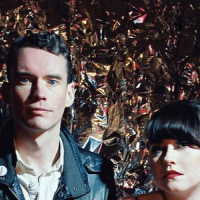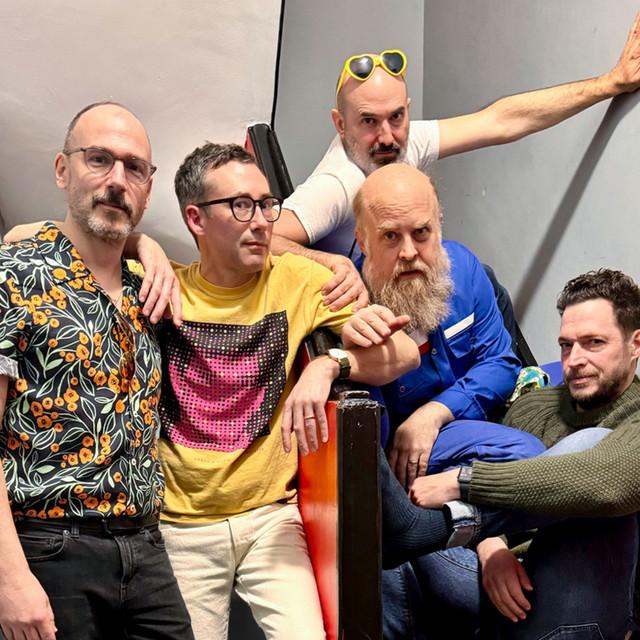
Radio 4

Punk
Punk Rock
Dance
 Viberate Rank: 148022
 Viberate Rank: 148022
 Monthly ListenersFollowers
 Subscribers
 Followers
 Followers
 FansTop Spotify Songs
| Track | 7-Day Streams | |
|---|---|---|
1 | 4.21K | |
2 | 1.49K | |
3 | 354 | |
4 | 283 | |
5 | 268 |
Top YouTube VideosMonthly ListenersFeatured in Playlists| Playlist | Followers | |
|---|---|---|
1 |  The OC Soundtrack [All Seasons Playlist] Solitude Collective | 138.11K |
2 |  The OC Jamie Barmakian | 39.80K |
3 |  Gilmore Girls: The Complete Collection Nicole Hanrahan | 34.58K |
4 | Stars Hollow Complete Soundtrack Melissa Olson | 30.97K |
5 | Gilmore Girls- Complete Soundtrack lisa_anthem | 30.35K |
Audience| City | Monthly Listeners | |
|---|---|---|
1 |  | 402 |
2 |  | 313 |
3 |  | 305 |
4 | | 281 |
5 |  | 219 |
See full performance history, audience data, playlist activity, rankings, comparisons, and more in Viberate music analytics. Start with a free trial, then continue with a paid plan.
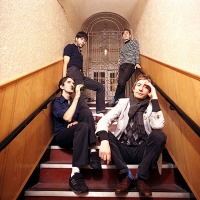
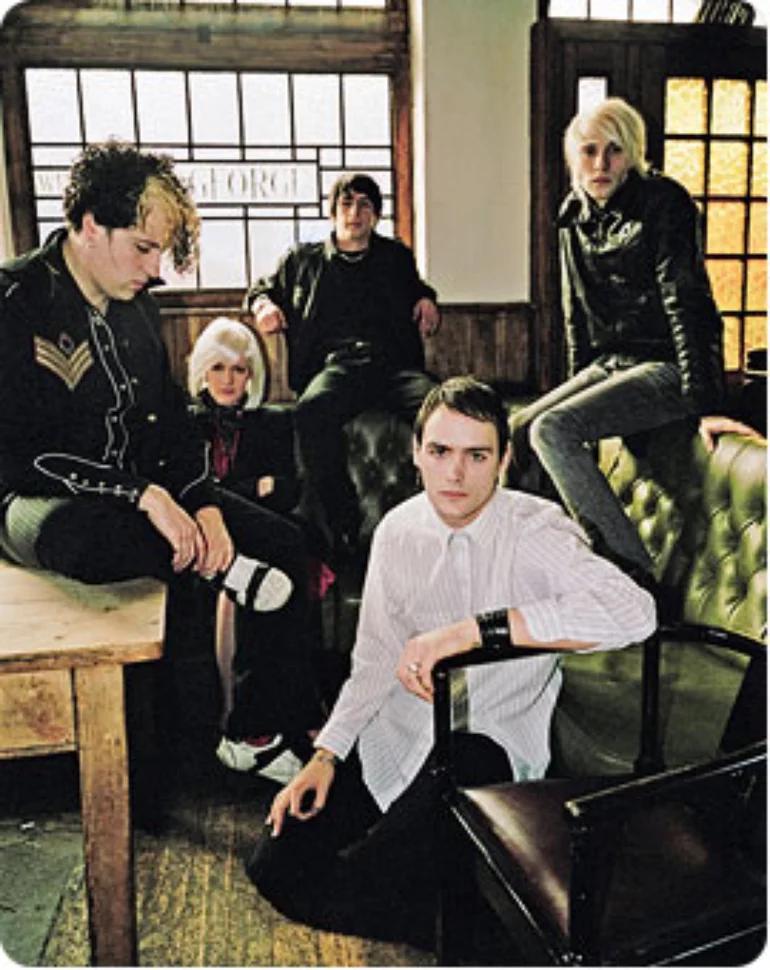
Radio 4’s Spotify BioNamed after a P.I.L. song, Radio 4 revives the late-'70s/early-'80s post-punk of bands like Gang of Four, Mission of Burma, and P.I.L. by matching scratchy guitar riffs with danceable grooves. The band was formed in 1999 in New York City by bassist Anthony Roman, guitarist Tommy Williams, drummer Greg Collins, percussionist P.J. O'Connor, and keyboardist Gerard Garone, and quickly recorded a three-song EP for New Jersey's Gern Blandsten label.
Their 2000 debut, The New Song and Dance, produced by Tim O'Heir, entered Radio 4 into the ranks of gritty, guitar-driven, N.Y.C. rock & rollers. In early 2001, Radio 4 went back into the studio with O'Heir to record the 12" Dance to the Underground, which included a dance remix of the title track. The remix signaled a new direction for Radio 4, one that would mine their funky riffs and dub-inspired bass lines to create a sound that would merge rock and dance. After cutting demos in a Brooklyn basement studio, Radio 4 went to work on their second… album, Gotham!, with the acclaimed production duo DFA, made up of Tim Goldsworthy and James Murphy. The producers' experience with electronic artists such as James Lavelle's U.N.K.L.E. project and David Holmes, as well as bands that mix rock and electronica like the Rapture and Primal Scream, was the final ingredient necessary to realize Radio 4's genre-beating vision. Gotham!, released on Gern Blandsten in 2002, is a brilliant mix of guitars, dub, beats, squeaks, loops, keyboards, and handclaps that evokes the best post-punk dance bands like Gang of Four and gives it a modern boost of energy. The record garnered a great deal of positive press, exposure on MTV2, and expanded their fan base, both at home and in Europe, quite a bit. In 2003 the band landed a deal with Astralwerks and released an EP made up of a newly recorded version of "Dance to the Underground" plus a handful of remixes by acts like Playgroup and the Faint. The band recorded its third album, Stealing of a Nation, with producer Max Heyes in an underground studio in Brooklyn. It was released in September of 2004. ~ Charles Spano, Rovi
Viberate is a music analytics platform built for A&Rs, artist managers, labels, booking agents, marketers, and artists.
It helps music professionals track artist growth, analyze audience data, monitor playlist activity, compare artists, follow song performance, and identify opportunities across the music market.
Public artist pages provide a free preview of selected artist data. Paid plans provide access to deeper analytics, historical data, charts, comparisons, playlist tools, exports, alerts, reports, and additional professional features.
Yes. Public Viberate artist pages provide selected artist analytics and music data for free.
Viberate also offers a 7-day free trial of the full platform. A credit card is required to start the trial. The trial includes access to the complete product so users can test deeper artist analytics, historical views, playlist insights, comparisons, charts, exports, alerts, and reporting features before choosing a paid plan.
Viberate provides artist analytics across streaming, playlists, social media, video, radio airplay, songs, and audience markets.
Users can analyze Spotify performance, Spotify and Apple Music playlists, YouTube activity, TikTok and Instagram growth, radio spins, song performance, audience locations, demographics, rankings, and overall artist momentum.
Artist profiles also connect to music charts, similar artists, and comparison tools, helping users benchmark performance and evaluate artists in context.
Viberate updates key artist and track data daily.
For followed artists and tracks, selected data is refreshed multiple times per day. This helps teams monitor playlist changes, streaming movement, audience growth, releases, and campaign performance with more current data.
Update frequency can vary depending on the metric and data source.
Yes. Viberate lets users compare up to five artists side by side across streaming, social media, audience, and engagement metrics.
Users can compare fanbase growth, audience demographics, locations, Spotify performance, social metrics, and other artist data over selected time periods.
Artist comparison can be used for A&R scouting, benchmarking, booking decisions, campaign planning, and evaluating artists with similar audiences or market positions.