Snuff

Punk
Punk Rock
Skate Punk
 Viberate Rank: 147356
 Viberate Rank: 147356
 Monthly ListenersFollowers
 Subscribers
 Followers
 Followers
 FansTop Spotify Songs
| Track | 7-Day Streams | |
|---|---|---|
1 | 6.19K | |
2 | 1.92K | |
3 | 1.45K | |
4 | 1.30K | |
5 | 533 |
Top YouTube Videos| Video | 7-Day Views | |
|---|---|---|
1 | 36 | |
2 | 5 |
Monthly ListenersFeatured in Playlists| Playlist | Followers | |
|---|---|---|
1 | EMO Myke Obasuyi Smith | 45.48K |
2 |  100 Best Punk Covers David Medina | 27.00K |
3 | Ska Punk Käptn Koala | 23.08K |
4 | The ULTIMATE Skate Punk and Punk Rock Playlist Pizza with Film | 12.97K |
5 |  Skatepark punk 1990 - 2000 nicklas_2 | 12.90K |
Audience| City | Monthly Listeners | |
|---|---|---|
1 |  | 451 |
2 | | 405 |
3 |  | 332 |
4 |  | 330 |
5 | | 327 |
See full performance history, audience data, playlist activity, rankings, comparisons, and more in Viberate music analytics. Start with a free trial, then continue with a paid plan.
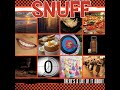
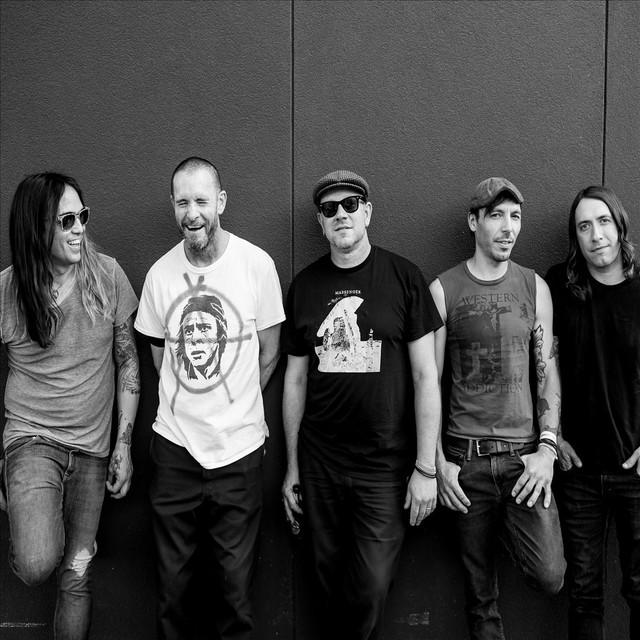
Snuff’s Spotify BioDominated by fast tempos, simple but hooky tunes, shout-along choruses, and lyrics full of quirky wit, Snuff typify a certain strain of old-school U.K. punk while also showing a truly distinct personality of their own. Led by drummer and vocalist Duncan Redmonds -- the only constant member throughout their career -- the band's speedy approach suggested the influence of American hardcore as well as second-division U.K. punks like the U.K. Subs and the Exploited, while the addition of a trombone player added a hint of ska to their music. Snuff stormed out of the gate in 1989 with their debut album Snuff Said (the title was a Cockney variant on "enough said"), and connected with the 1992 album Reach before going on hiatus. After returning to action in 1995, Snuff showed they were still in fighting shape on 1997's Potatoes & Melons Wholesale Prices Straight from the Lock Up, and while they packed it in again from 2004 to 2007, they were just as strong as ever upon their return, and 2019's… There's a Lot of It About ranked with their best recorded work.
Hailing from the Hendon section of Northern London, Snuff -- their name was a Cockney contraction of "That's enough" -- debuted in 1986 as a three-piece featuring Simon Wells on guitar, Andy Crighton on bass, and Duncan Redmonds on drums. The band initially made their name through live work before they teamed up with the U.K. punk label Workers Playtime to issue their first EP, 1989's Not Listening. A few months later, Snuff delivered their first full-length album; best known as Snuff Said, the official title was a lengthy bursts of phonetic East London patter, Snuffsaidbutgorblimeyguvstonemeifhedidntthrowawobblerchachachachachachachachachachachayouregoinghomeinacosmicambience. They came back with an EP in 1990, Flibbiddydibbiddydob, in which they put their own spin on a batch of covers running from Charged G.B.H. to Simon & Garfunkel, along with tunes from several well-known TV commercials. The EP introduced the fourth member of Snuff, Dave Redmonds on trombone, and in 1992 they presented their fans with a second album, Reach, which would be their first effort released in the United States, through the idiosyncratic Pacific Northwest label K Records. However, by the time the album was in shops, Snuff had broken up, with the members working with the bands Leatherface and Guns N' Wankers.
In 1994, Snuff rose from the grave, with Simon Wells, Andy Crighton, Duncan Redmonds, and Dave Redmonds joined by keyboard player Lee Murphy. Before they could cut their reunion album, Wells chose to leave the group, and 1996's Demmamussabebonk introduced guitarist Loz Wong. Fat Wreck Chords picked up the album for release in the United States, and it earned positive reviews, while 1997's Potatoes & Melons Wholesale Prices Straight from the Lock Up fared even better in the punk press. The disc also documented more lineup changes, with Lee Erinmez (aka Lee Batsford) taking over on bass from Andy Crighton. 1998 brought another album, Tweet Tweet My Lovely. In 2000, Snuff grew to a sextet as Paul Thompson stepped in as a rhythm guitarist, and new keyboard player Terry Edwards took over from Lee Murphy alongside Duncan, Dave, Batsford, and Wong. This edition of the band cut the album Numb Nuts that same year, though in 2001, Sarah de Courcy took over the keyboard spot while Terry Edwards joined Dave Redmonds on brass. The release of 2003's Disposable Income saw de Courcy out and Edwards back on keyboards; a year later, Greasy Hair Makes Money arrived in time for Snuff to once again call it a day.
After Duncan Redmonds pursued other projects for a few years, Snuff came back for a series of live dates in 2008. This time around, they were a five piece, with Terry Edwards out and Dave Redmonds doubling on trombone and keyboards. It wasn't until 2013 that they found time to cut a new album, 5-4-3-2-1-Perhaps? By that time, Dave Redmonds had parted ways with Snuff, and Oliver Stewart had been recruited to play trombone. It would be another six years before Snuff's fans would get another album, but 2019's There's a Lot of It About made clear the wait was worth it. As their followers had come to expect, the LP also revealed more personnel changes for Snuff, as Wes Wasley picked up the bass after Lee Erinmez moved on. ~ Mark Deming, Rovi
Viberate is a music analytics platform built for A&Rs, artist managers, labels, booking agents, marketers, and artists.
It helps music professionals track artist growth, analyze audience data, monitor playlist activity, compare artists, follow song performance, and identify opportunities across the music market.
Public artist pages provide a free preview of selected artist data. Paid plans provide access to deeper analytics, historical data, charts, comparisons, playlist tools, exports, alerts, reports, and additional professional features.
Yes. Public Viberate artist pages provide selected artist analytics and music data for free.
Viberate also offers a 7-day free trial of the full platform. A credit card is required to start the trial. The trial includes access to the complete product so users can test deeper artist analytics, historical views, playlist insights, comparisons, charts, exports, alerts, and reporting features before choosing a paid plan.
Viberate provides artist analytics across streaming, playlists, social media, video, radio airplay, songs, and audience markets.
Users can analyze Spotify performance, Spotify and Apple Music playlists, YouTube activity, TikTok and Instagram growth, radio spins, song performance, audience locations, demographics, rankings, and overall artist momentum.
Artist profiles also connect to music charts, similar artists, and comparison tools, helping users benchmark performance and evaluate artists in context.
Viberate updates key artist and track data daily.
For followed artists and tracks, selected data is refreshed multiple times per day. This helps teams monitor playlist changes, streaming movement, audience growth, releases, and campaign performance with more current data.
Update frequency can vary depending on the metric and data source.
Yes. Viberate lets users compare up to five artists side by side across streaming, social media, audience, and engagement metrics.
Users can compare fanbase growth, audience demographics, locations, Spotify performance, social metrics, and other artist data over selected time periods.
Artist comparison can be used for A&R scouting, benchmarking, booking decisions, campaign planning, and evaluating artists with similar audiences or market positions.