Small Brown Bike

Punk
Punk Rock
Post Hardcore
 Viberate Rank: 203651
 Viberate Rank: 203651
 Monthly ListenersFollowers
 Subscribers
 Followers
 Followers
 FansTop Spotify Songs
| Track | 7-Day Streams | |
|---|---|---|
1 | 2.01K | |
2 | 1.50K | |
3 | 1.07K | |
4 | 1.05K | |
5 | 1.02K |
Top YouTube VideosMonthly ListenersFeatured in Playlists| Playlist | Followers | |
|---|---|---|
1 |  Midwest Emo (Numero Group) Numero Group Scenes & Decades | 9.92K |
2 |  PUNK ROCK sebastien.gautier | 8.46K |
3 |  Post-Hardcore: Classics Iodine Recordings | 5.66K |
4 |  90s Emo 1294439369 | 5.62K |
5 |  The Sound of Emo The Sounds of Spotify | 4.04K |
Audience| City | Monthly Listeners | |
|---|---|---|
1 | | 383 |
2 | | 314 |
3 | | 252 |
4 | | 201 |
5 | | 197 |
See full performance history, audience data, playlist activity, rankings, comparisons, and more in Viberate music analytics. Start with a free trial, then continue with a paid plan.
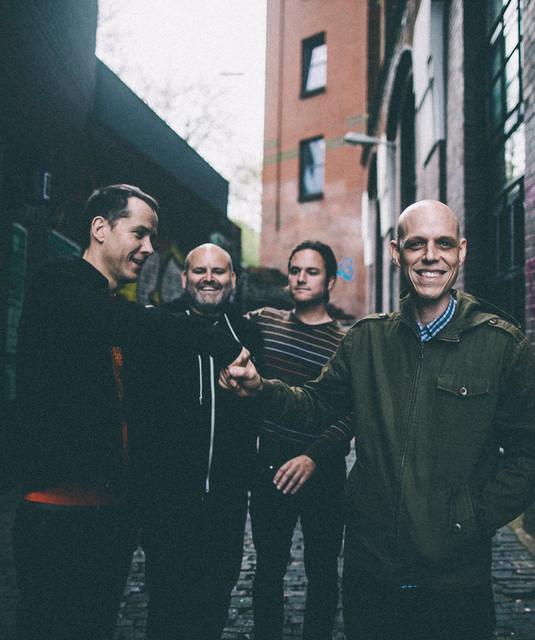
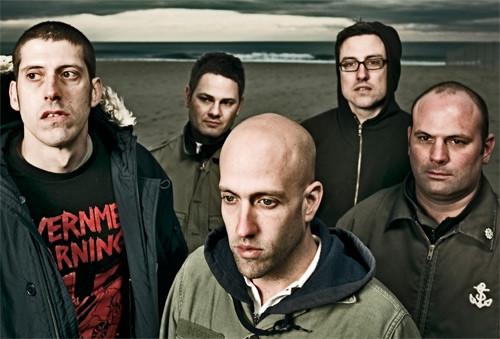
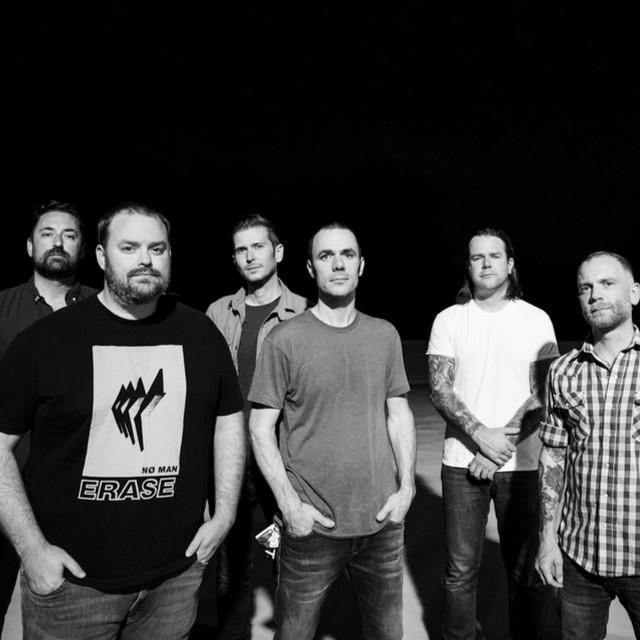
Small Brown Bike’s Spotify BioSMALL BROWN BIKE was founded in 1997 by four friends in the small town of Marshall, Michigan. In 1999, the band united with No Idea Records to release their debut album, Our Own Wars and immediately began touring to support the record. In 2000, Small Brown Bike entered the studio with Ed Rose (The Get Up Kids, Coalesce) to record their sophomore album for No Idea, Dead Reckoning. Released to international acclaim, the album was instantly hailed as a "powerful and enormous" leap forward. The band continued their relentless live schedule and played tours with Hot Water Music, Leatherface, Cursive, Sparta, Cave In, The Casket Lottery, Rocky Votolato, and many more. It was during this time that Small Brown Bike caught the attention of Lookout! Records. After playing a sold-out show at Gilman Street in 2003, the band signed with Lookout! to release their third album, The River Bed. But the years of touring were taking their toll and Small Brown Bike sadly announced their break-up at the end… of 2003. In 2006, the band reunited to play a handful of shows and in 2009, officially announced their plan to write new music and play more shows. In the summer of 2010, Small Brown Bike joined forces with J Robbins (Jets to Brazil, The Promise Ring) and recorded their fourth album, Fell & Found, released on No Idea Records in 2011, an album that AV Club said made Small Brown Bike “one of the best purveyors of this sound.”
Viberate is a music analytics platform built for A&Rs, artist managers, labels, booking agents, marketers, and artists.
It helps music professionals track artist growth, analyze audience data, monitor playlist activity, compare artists, follow song performance, and identify opportunities across the music market.
Public artist pages provide a free preview of selected artist data. Paid plans provide access to deeper analytics, historical data, charts, comparisons, playlist tools, exports, alerts, reports, and additional professional features.
Yes. Public Viberate artist pages provide selected artist analytics and music data for free.
Viberate also offers a 7-day free trial of the full platform. A credit card is required to start the trial. The trial includes access to the complete product so users can test deeper artist analytics, historical views, playlist insights, comparisons, charts, exports, alerts, and reporting features before choosing a paid plan.
Viberate provides artist analytics across streaming, playlists, social media, video, radio airplay, songs, and audience markets.
Users can analyze Spotify performance, Spotify and Apple Music playlists, YouTube activity, TikTok and Instagram growth, radio spins, song performance, audience locations, demographics, rankings, and overall artist momentum.
Artist profiles also connect to music charts, similar artists, and comparison tools, helping users benchmark performance and evaluate artists in context.
Viberate updates key artist and track data daily.
For followed artists and tracks, selected data is refreshed multiple times per day. This helps teams monitor playlist changes, streaming movement, audience growth, releases, and campaign performance with more current data.
Update frequency can vary depending on the metric and data source.
Yes. Viberate lets users compare up to five artists side by side across streaming, social media, audience, and engagement metrics.
Users can compare fanbase growth, audience demographics, locations, Spotify performance, social metrics, and other artist data over selected time periods.
Artist comparison can be used for A&R scouting, benchmarking, booking decisions, campaign planning, and evaluating artists with similar audiences or market positions.