Lifetime

Punk
Punk Rock
Hardcore Punk
 Viberate Rank: 151069
 Viberate Rank: 151069
 Monthly ListenersFollowers
 Subscribers
 Followers
 Followers
 FansTop Spotify Songs
| Track | 7-Day Streams | |
|---|---|---|
1 | 3.94K | |
2 | 2.45K | |
3 | 1.88K | |
4 | 1.47K | |
5 | 1.38K |
Top YouTube VideosMonthly ListenersFeatured in Playlists| Playlist | Followers | |
|---|---|---|
1 |  Pop Punk Playlist! Pure Noise Records | 17.98K |
2 |  The Evolution of Punk (In Chronological Order) kingfirley | 16.18K |
3 | 100 Best Emo Songs by Vulture Ray Rahman | 9.06K |
4 | POPPUNK Kevin McLaughlin | 8.53K |
5 |  TW: Real Emo anndynegative | 8.35K |
Audience| City | Monthly Listeners | |
|---|---|---|
1 | | 609 |
2 | | 599 |
3 | | 539 |
4 | | 425 |
5 | | 398 |
See full performance history, audience data, playlist activity, rankings, comparisons, and more in Viberate music analytics. Start with a free trial, then continue with a paid plan.
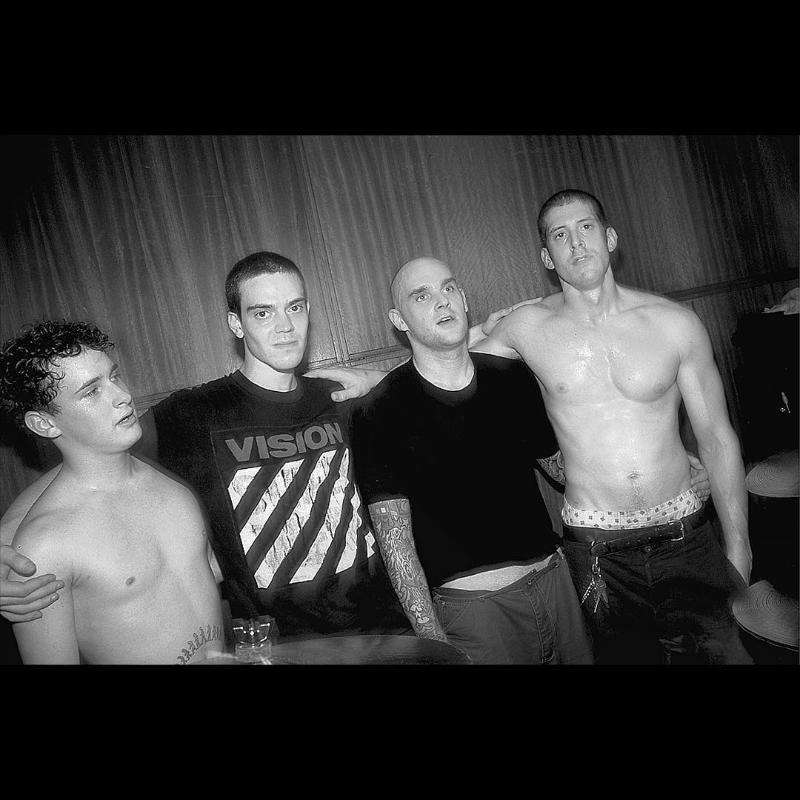
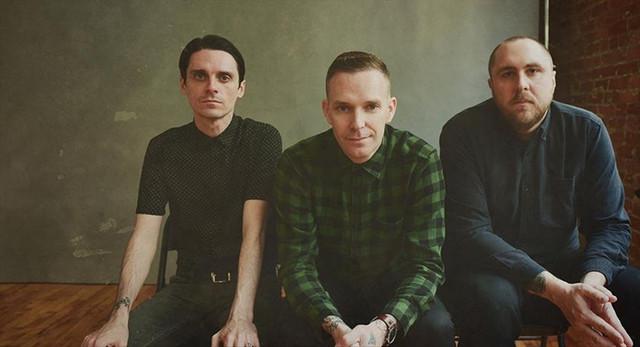
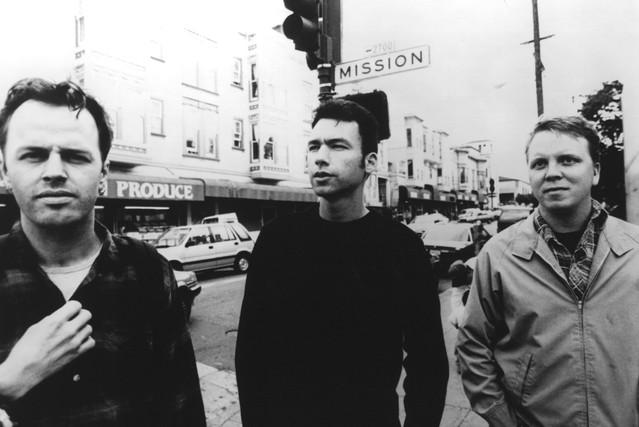
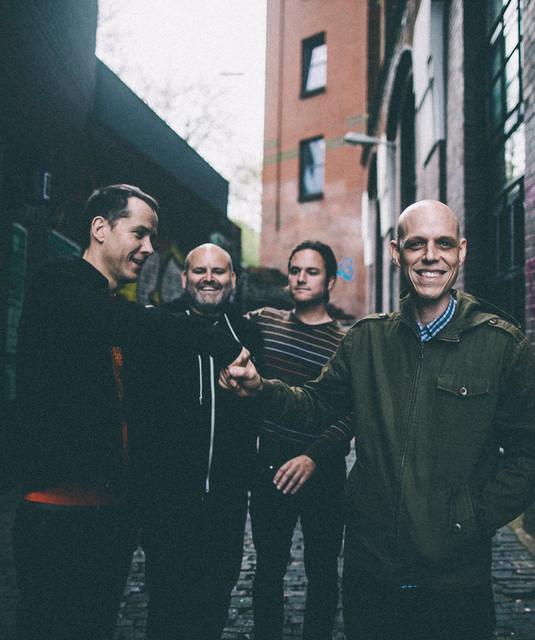
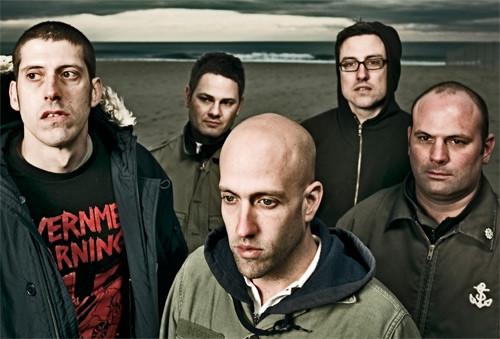
Lifetime’s Spotify BioCult favorite melodic hardcore unit Lifetime was formed in New Jersey in 1990 by singer Ari Katz and guitarist Dan Yemin. Boasting a positive lyrical approach in stark contrast to the cynical mentality predominant throughout the hardcore community of the period, the group earned immediate fame with the 1991 release of its self-titled debut EP, issuing the acclaimed full-length Background the following year. After countless lineup changes, the Lifetime roster stabilized prior to the release of their 1995 Jade Tree label debut, Hello Bastards, with Katz and Yemin recruiting guitarist Pete Martin, bassist Dave Palaitis, and drummer Scott Golley. The album really cemented the band's status as underground heroes, only to be further solidified with their next effort. After a brief tour in support of 1997's well-received Jersey's Best Dancers, the influential group dissolved; while Katz, Palaitis and Golley were soon reunited in Zero Zero, Yemin teamed with drummer David Wagenschutz (a… Lifetime alum from the group's earliest incarnations) to form Kid Dynamite, and later, Paint It Black.
Lifetime reunited in August 2005 to play New Jersey's Hellfest, but when the festival was unexpectedly canceled, the group instead played a few shows around the East Coast, all proceeds going to charity. Several more packed shows followed, including a slot at 2006's South by Southwest festival, before the band decided to seriously re-form and sign with Decaydance (headed by Fall Out Boy's Pete Wentz, who was a huge fan of the band) in March 2006. That same month, Jade Tree released the double-disc collector's set Somewhere in the Swamps of Jersey, which highlighted the band's earlier (and much of it out of print) work alongside 52 pages of lyrics, rare photos, and liner notes. As work began on a new record, Lifetime embarked on a brief summer tour with the Bronx and the Loved Ones in tow. The EP 2 Songs appeared that fall and wetted palates for the eventual release of their highly anticipated self-titled record, which picked up exactly where the guys left off upon its release in early February 2007. ~ Jason Ankeny, Rovi
Viberate is a music analytics platform built for A&Rs, artist managers, labels, booking agents, marketers, and artists.
It helps music professionals track artist growth, analyze audience data, monitor playlist activity, compare artists, follow song performance, and identify opportunities across the music market.
Public artist pages provide a free preview of selected artist data. Paid plans provide access to deeper analytics, historical data, charts, comparisons, playlist tools, exports, alerts, reports, and additional professional features.
Yes. Public Viberate artist pages provide selected artist analytics and music data for free.
Viberate also offers a 7-day free trial of the full platform. A credit card is required to start the trial. The trial includes access to the complete product so users can test deeper artist analytics, historical views, playlist insights, comparisons, charts, exports, alerts, and reporting features before choosing a paid plan.
Viberate provides artist analytics across streaming, playlists, social media, video, radio airplay, songs, and audience markets.
Users can analyze Spotify performance, Spotify and Apple Music playlists, YouTube activity, TikTok and Instagram growth, radio spins, song performance, audience locations, demographics, rankings, and overall artist momentum.
Artist profiles also connect to music charts, similar artists, and comparison tools, helping users benchmark performance and evaluate artists in context.
Viberate updates key artist and track data daily.
For followed artists and tracks, selected data is refreshed multiple times per day. This helps teams monitor playlist changes, streaming movement, audience growth, releases, and campaign performance with more current data.
Update frequency can vary depending on the metric and data source.
Yes. Viberate lets users compare up to five artists side by side across streaming, social media, audience, and engagement metrics.
Users can compare fanbase growth, audience demographics, locations, Spotify performance, social metrics, and other artist data over selected time periods.
Artist comparison can be used for A&R scouting, benchmarking, booking decisions, campaign planning, and evaluating artists with similar audiences or market positions.