Waxwing

Punk
Pop Punk
Indie Rock
 Viberate Rank: 414067
 Viberate Rank: 414067
 Monthly ListenersFollowers
 Subscribers
 Followers
 Followers
 FansTop Spotify Songs
| Track | 7-Day Streams | |
|---|---|---|
1 | 532 | |
2 | 113 | |
3 | 76 | |
4 | 72 | |
5 | 67 |
Top YouTube VideosMonthly ListenersFeatured in Playlists| Playlist | Followers | |
|---|---|---|
1 |  90s Emo 1294439369 | 5.62K |
2 | 2nd Wave Emo & Post-Hardcore Pop Distro | 5.54K |
3 | Midwest Emo Samuel Fish | 3.83K |
4 |  Props BMX - Songs Roberto LP Corrêa | 2.77K |
5 |  1st/2nd Wave Emo iankottman98 | 2.24K |
Audience| City | Monthly Listeners | |
|---|---|---|
1 | | 44 |
2 | | 35 |
3 | | 33 |
4 | | 25 |
5 | | 24 |
See full performance history, audience data, playlist activity, rankings, comparisons, and more in Viberate music analytics. Start with a free trial, then continue with a paid plan.
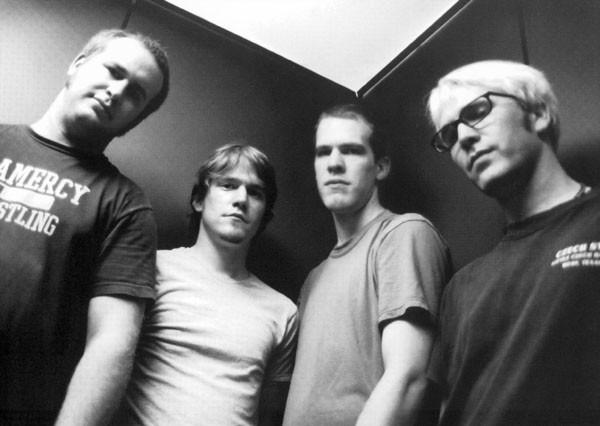
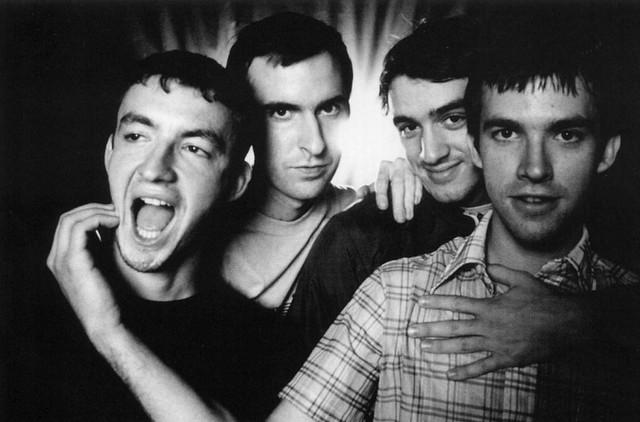
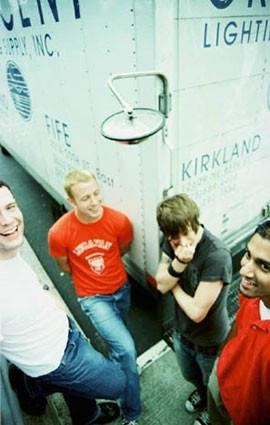
Waxwing’s Spotify BioSeattle's Waxwing has successfully combined a myriad influences into a distinctive sound, blending elements of punk, folk, rock, and Southwestern music. With two full-lengths and a host of EPs under their belt, they have emerged as one of Seattle's most interesting and dynamic young bands around the turn of the century, along with Juno, Death Cab for Cutie, and Pedro the Lion.
Following the 1996 breakup of the band Lying on Loot (which included future Red Stars Theory violinist Seth Warren), singer/guitarist Rocky Votolato and drummer Rudy Gajadhar began playing with bassist Andrew Hartley under the name Waxwing. Rocky's younger brother Cody soon joined the band on second guitar, and the band recorded their debut 7" for Henry's Finest. In 1999, Second Nature released the band's first full-length, For Madmen Only. Blending the straight-ahead rock approach and emotional honesty of the Replacements with the moodiness of Black Sabbath, the record was a critical success and earned the band a… solid local following.
When One for the Ride was released in late 2000, Waxwing's profile had grown substantially. Rocky had released several well-received solo records, while Cody's other band, the arty hardcore outfit the Blood Brothers, had a strong following of their own. Gajadhar also handled the drumming duties in Bugs in Amber (fronted by Sonny Votolato, Rocky and Cody's older brother), while Andrew played bass in Lightheavyweight. One for the Ride found the band exploring more diverse dynamics in their songs, exploring new styles of music (some moments wouldn't be out of place on a Calexico album), and focusing on a wider dynamic range. The band toured the Midwest and West Coast with the Casket Lottery in support of this album and returned home to Seattle to work on new songs and allow the members time to focus on other projects. In 2002, the band went back to their roots with the animated Nobody Can Take What Everybody Owns before going on something of an extended hiatus. When the band officially disbanded in late 2005, Rocky continued his solo career, Cody continued playing with the Blood Brothers, and Gajadhar carried on with Gatsbys American Dream. ~ Tobias Carroll, Rovi
Viberate is a music analytics platform built for A&Rs, artist managers, labels, booking agents, marketers, and artists.
It helps music professionals track artist growth, analyze audience data, monitor playlist activity, compare artists, follow song performance, and identify opportunities across the music market.
Public artist pages provide a free preview of selected artist data. Paid plans provide access to deeper analytics, historical data, charts, comparisons, playlist tools, exports, alerts, reports, and additional professional features.
Yes. Public Viberate artist pages provide selected artist analytics and music data for free.
Viberate also offers a 7-day free trial of the full platform. A credit card is required to start the trial. The trial includes access to the complete product so users can test deeper artist analytics, historical views, playlist insights, comparisons, charts, exports, alerts, and reporting features before choosing a paid plan.
Viberate provides artist analytics across streaming, playlists, social media, video, radio airplay, songs, and audience markets.
Users can analyze Spotify performance, Spotify and Apple Music playlists, YouTube activity, TikTok and Instagram growth, radio spins, song performance, audience locations, demographics, rankings, and overall artist momentum.
Artist profiles also connect to music charts, similar artists, and comparison tools, helping users benchmark performance and evaluate artists in context.
Viberate updates key artist and track data daily.
For followed artists and tracks, selected data is refreshed multiple times per day. This helps teams monitor playlist changes, streaming movement, audience growth, releases, and campaign performance with more current data.
Update frequency can vary depending on the metric and data source.
Yes. Viberate lets users compare up to five artists side by side across streaming, social media, audience, and engagement metrics.
Users can compare fanbase growth, audience demographics, locations, Spotify performance, social metrics, and other artist data over selected time periods.
Artist comparison can be used for A&R scouting, benchmarking, booking decisions, campaign planning, and evaluating artists with similar audiences or market positions.