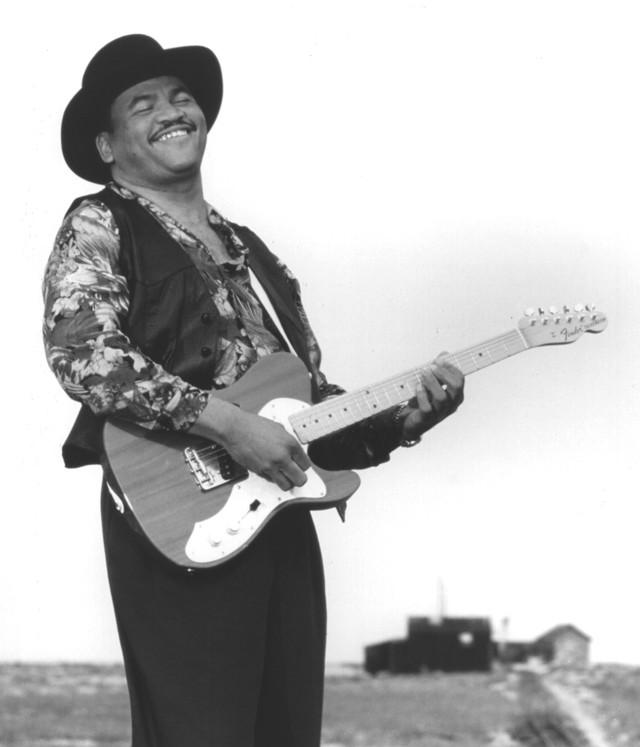
Sherman Robertson

Blues
Contemporary Blues
 Viberate Rank: 396858
 Viberate Rank: 396858
 Monthly ListenersFollowers
 Subscribers
 Followers
 Followers
 FansTop Spotify Songs
| Track | 7-Day Streams | |
|---|---|---|
1 | 161 | |
2 | 57 | |
3 | 34 | |
4 | 27 | |
5 | 25 |
Top YouTube VideosMonthly ListenersFeatured in Playlists| Playlist | Followers | |
|---|---|---|
1 |  Slow Blues & Blues Rock | Don's Tunes Don's Tunes | 19.74K |
2 |  Electric Guitar Solos ThomEmDee | 8.24K |
3 |  Piano Blues Joar Fosså | 4.87K |
4 |  Midnight Blues Helmut Neubauer | 3.81K |
5 | Alvin Lee — The Bluest Blues lhbnvds | 3.28K |
Audience| City | Monthly Listeners | |
|---|---|---|
1 |  | 11 |
2 |  | 10 |
3 |  | 10 |
4 |  | 9 |
5 | | 8 |
See full performance history, audience data, playlist activity, rankings, comparisons, and more in Viberate music analytics. Start with a free trial, then continue with a paid plan.
Sherman Robertson’s Spotify BioGuitarist, singer, and songwriter Sherman Robertson is a product of the region of the country that he grew up in: he's one part zydeco, one part swamp blues, one part electric blues, and one part classic rhythm & blues. His guitar playing style is extremely rhythm-based, but at the same time, he plays some extraordinary slide guitar, and in the course of one of his typical three-hour shows, he'll play a lot of great solos. Robertson's rhythmic playing is no doubt an outgrowth of his several years on the road in the '80s with the king of zydeco, Clifton Chenier. He also served tenures with Rockin' Dopsie and Terrance Simien & the Mallet Playboys before deciding he wanted to venture out with his own high-energy blues style several years ago. Fortunately for Robertson, some folks at a major label, Atlantic/Code Blue, took notice.
Robertson recorded two albums for Atlantic/Code Blue, a label that shut down operations in 1996. Robertson's albums include his stunning debut, I'm the Man (1994)… and Here & Now (1995).
"I focus on the good time, upbeat blues," says Robertson, born in Breaux Bridge, LA but raised across the border in nearby Houston. "Playing with zydeco bands all that time, everybody was always dancing. The guys I learned from were all playing dance music. When zydeco blues comes to town, you can't sit still. Yet people have this concept of blues as depressing. I say,'Forget your problems, I play dance music.' ''
Robertson drew his first inspiration from a TV performance by Hank Williams, the country singer known in bayou country for his composition, "Jambalaya.'' He was 13 when he first saw Williams perform and that experience changed his life. Robertson heard the blues coming out of the country legend, and his interest in playing guitar was piqued. Robertson's father bought him an old Stella guitar for $12 and the younger Robertson began playing the songs of Freddie King and Floyd London, often playing until his hands bled and often falling asleep with the instrument nestled beside him.
Growing up in Houston, just down the street from Don Robey's famed Duke/Peacock Records studios, Robertson had the chance to befriend many of the great musicians who stopped in there to make records. By 17, he was honing his craft with a local blues band and playing in the bars in his Fifth Ward neighborhood in Houston.
In 1982, when Robertson's band was playing at the Crosstown Blues Festival, zydeco legend Chenier heard him play. Chenier told his bus driver to "get that guitar player," and a long alliance with Chenier's band was forged. Robertson moved to Louisiana with Chenier's band and learned a lot from the accordionist about how to read an audience. Later, Robertson worked with singer/songwriter Paul Simon during recording sessions for his Graceland album, and also had the chance to sit in with all of his heroes, Albert Collins, B.B. King, and Lightnin' Hopkins among them. In 1987 and 1988, after Chenier's passing, Robertson hooked up with accordionist Terrance Simien, and furthered his musical education, particularly with the overseas dates that band performed in Egypt and Africa. After all those years of playing zydeco, Robertson yearned to get back to more basic forms of blues, and in the early '90s, after two-and-a-half years with the Mallet Playboys, he assembled his own band that would later take much of the blues festival circuit by storm. A few years and hundreds of shows later, critics were saying Robertson would inherit the seats left open by people like Albert King and Albert Collins.
Robertson's I'm the Man was the first release via Atlantic Record's alliance with Code Blue, and they couldn't have picked a stronger album. Every track is radio-ready and a winner. Robertson's follow-up, Here & Now, includes his cover of the Tracy Nelson song, the title track of the album. He described his second release as his blues opera.
The rest of the '90s will show this to be the case, since there are few other musicians who combine great songs, fluid guitar playing, and strong, powerful vocals so well. Robertson hasn't let the record company troubles bother him in the least, and he'll no doubt find a new home at a significant independent record company and continue to do what he's been doing so well. ~ Richard Skelly, Rovi
Viberate is a music analytics platform built for A&Rs, artist managers, labels, booking agents, marketers, and artists.
It helps music professionals track artist growth, analyze audience data, monitor playlist activity, compare artists, follow song performance, and identify opportunities across the music market.
Public artist pages provide a free preview of selected artist data. Paid plans provide access to deeper analytics, historical data, charts, comparisons, playlist tools, exports, alerts, reports, and additional professional features.
Yes. Public Viberate artist pages provide selected artist analytics and music data for free.
Viberate also offers a 7-day free trial of the full platform. A credit card is required to start the trial. The trial includes access to the complete product so users can test deeper artist analytics, historical views, playlist insights, comparisons, charts, exports, alerts, and reporting features before choosing a paid plan.
Viberate provides artist analytics across streaming, playlists, social media, video, radio airplay, songs, and audience markets.
Users can analyze Spotify performance, Spotify and Apple Music playlists, YouTube activity, TikTok and Instagram growth, radio spins, song performance, audience locations, demographics, rankings, and overall artist momentum.
Artist profiles also connect to music charts, similar artists, and comparison tools, helping users benchmark performance and evaluate artists in context.
Viberate updates key artist and track data daily.
For followed artists and tracks, selected data is refreshed multiple times per day. This helps teams monitor playlist changes, streaming movement, audience growth, releases, and campaign performance with more current data.
Update frequency can vary depending on the metric and data source.
Yes. Viberate lets users compare up to five artists side by side across streaming, social media, audience, and engagement metrics.
Users can compare fanbase growth, audience demographics, locations, Spotify performance, social metrics, and other artist data over selected time periods.
Artist comparison can be used for A&R scouting, benchmarking, booking decisions, campaign planning, and evaluating artists with similar audiences or market positions.