Zac Harmon

Blues
Contemporary Blues
Blues Rock
 Viberate Rank: 259389
 Viberate Rank: 259389
 Monthly ListenersFollowers
 Subscribers
 Followers
 Followers
 FansTop Spotify Songs
| Track | 7-Day Streams | |
|---|---|---|
1 | 146 | |
2 | 80 | |
3 | 70 | |
4 | 53 | |
5 | 37 |
Top YouTube VideosMonthly ListenersFeatured in Playlists| Playlist | Followers | |
|---|---|---|
1 |  Whiskey Blues 🥃 Тhe Original | The Best Slow Blues / Blues Rock Don's Tunes | 85.92K |
2 |  Slow Blues & Blues Rock | Don's Tunes Don's Tunes | 19.74K |
3 |  Route 66🚗🗺️ luisasmoura | 8.76K |
4 |  Recomendados #Maldicion Vol.1 Vorterix | 4.09K |
5 |  Midnight Blues Helmut Neubauer | 3.81K |
Audience| City | Monthly Listeners | |
|---|---|---|
1 |  | 16 |
2 |  | 15 |
3 | | 12 |
4 |  | 8 |
5 |  | 8 |
See full performance history, audience data, playlist activity, rankings, comparisons, and more in Viberate music analytics. Start with a free trial, then continue with a paid plan.
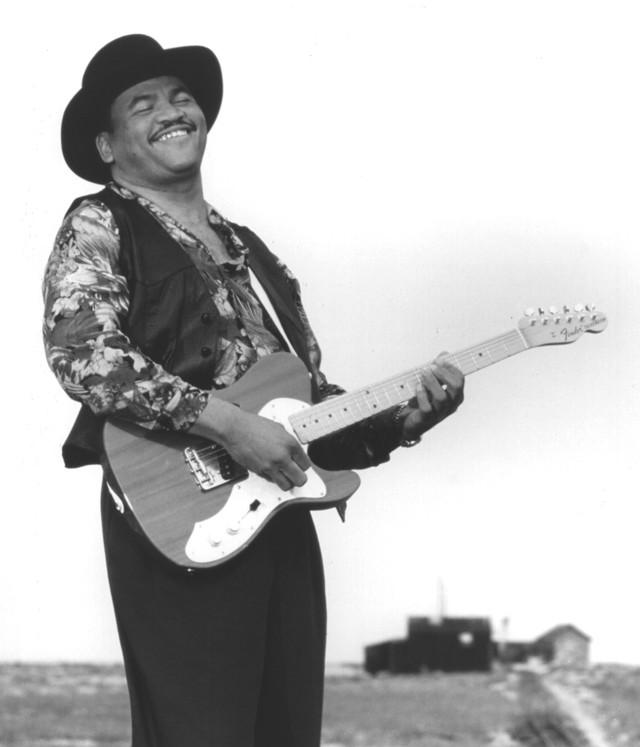
Zac Harmon’s Spotify BioBorn and raised in Jackson in the heart of Mississippi, Zac Harmon is a true extension of the music that came from the city’s historic Farish Street district, the home of blues legend Elmore James. A guitarist, organist, singer, and songwriter, Harmon's distinctive style combines the best of old-school soul-blues artists like Z.Z. Hill and Dorothy Moore with modern lyrics and themes that allow the blues to breathe in the new millennium. His live performances combine elements of everything that influenced him: soul-blues, gospel, reggae, and modern blues-rock.
Harmon played guitar for Hill and Moore, as well as Sam Myers and McKinley Mitchell, when they passed through on their regional tours, and he finally moved to L.A. in the early '80s to take a real shot at this music business. He began as a session musician, and then established himself as a writer and producer as well. He wrote songs for the likes of Evelyn "Champagne" King, Freddie Jackson, the Whispers, K-Ci & Jo Jo, and the… O'Jays, and produced songs for reggae band Black Uhuru's Mystical Truth album, which received a Grammy nomination in 1994.
Harmon recorded and released his first blues project, Live at Babe and Ricky's Inn, a powerful slice of electric Mississippi blues, in 2002, following it with The Blues According to Zacariah in 2005. A European release, Shot in the Kill Zone, recorded live at the Lionel Hampton Room in Paris, appeared in 2008. Signing with the Northern Blues label, Harmon released From the Root in 2009. Each of these releases does a fine job of showcasing his brilliant originals, songs that break new lyrical ground and step away from tired old blues (and country music) themes. Ever busy, Harmon next branched out into acting, and he landed a prominent role in the 2010 independent feature film Black and Blue. As a songwriter, singer, guitarist, bandleader, producer, and impresario, Harmon has embodied all that blues music can become in the second decade of the new millennium. ~ Richard J. Skelly & Steve Leggett, Rovi
Viberate is a music analytics platform built for A&Rs, artist managers, labels, booking agents, marketers, and artists.
It helps music professionals track artist growth, analyze audience data, monitor playlist activity, compare artists, follow song performance, and identify opportunities across the music market.
Public artist pages provide a free preview of selected artist data. Paid plans provide access to deeper analytics, historical data, charts, comparisons, playlist tools, exports, alerts, reports, and additional professional features.
Yes. Public Viberate artist pages provide selected artist analytics and music data for free.
Viberate also offers a 7-day free trial of the full platform. A credit card is required to start the trial. The trial includes access to the complete product so users can test deeper artist analytics, historical views, playlist insights, comparisons, charts, exports, alerts, and reporting features before choosing a paid plan.
Viberate provides artist analytics across streaming, playlists, social media, video, radio airplay, songs, and audience markets.
Users can analyze Spotify performance, Spotify and Apple Music playlists, YouTube activity, TikTok and Instagram growth, radio spins, song performance, audience locations, demographics, rankings, and overall artist momentum.
Artist profiles also connect to music charts, similar artists, and comparison tools, helping users benchmark performance and evaluate artists in context.
Viberate updates key artist and track data daily.
For followed artists and tracks, selected data is refreshed multiple times per day. This helps teams monitor playlist changes, streaming movement, audience growth, releases, and campaign performance with more current data.
Update frequency can vary depending on the metric and data source.
Yes. Viberate lets users compare up to five artists side by side across streaming, social media, audience, and engagement metrics.
Users can compare fanbase growth, audience demographics, locations, Spotify performance, social metrics, and other artist data over selected time periods.
Artist comparison can be used for A&R scouting, benchmarking, booking decisions, campaign planning, and evaluating artists with similar audiences or market positions.