Leif Garrett

Pop
Mainstream Pop
Disco
Dance
 Viberate Rank: 87893
 Viberate Rank: 87893
 Monthly ListenersFollowers
 Subscribers
 Followers
 Followers
 FansTop Spotify Songs
| Track | 7-Day Streams | |
|---|---|---|
1 | 19.93K | |
2 | 14.37K | |
3 | 5.85K | |
4 | 2.11K | |
5 | 1.73K |
Top YouTube VideosMonthly ListenersFeatured in Playlists| Playlist | Followers | |
|---|---|---|
1 |  Soulful Disco Spotify | 552.90K |
2 |  Lo Mejor de la Música DISCO since 70s 80s DISCO Music 🎧 SiHEZ 🎛 | 304.90K |
3 |  Disco Classics 70 & 80 💃🕺 Sebastiaan de Vries | 77.77K |
4 |  Soul Train 70s Disco and Funk djlarras | 69.74K |
5 |  Star-Lord's Zune caro | 63.52K |
Audience| City | Monthly Listeners | |
|---|---|---|
1 |  | 3.38K |
2 | | 2.11K |
3 |  | 1.83K |
4 | | 1.64K |
5 | | 1.51K |
See full performance history, audience data, playlist activity, rankings, comparisons, and more in Viberate music analytics. Start with a free trial, then continue with a paid plan.
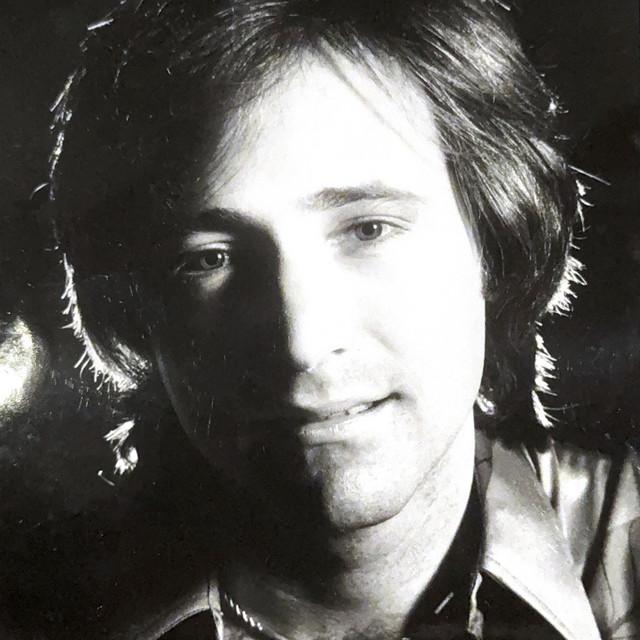
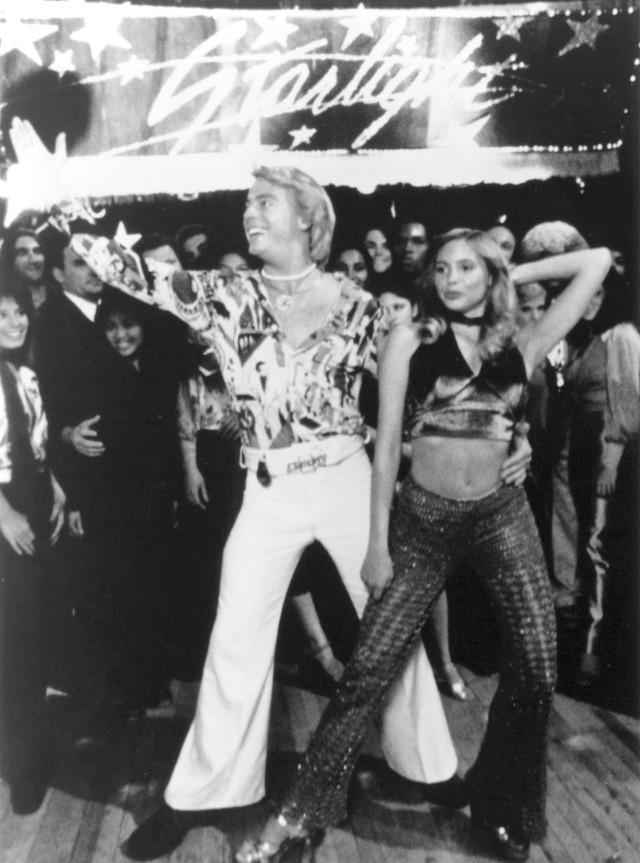
Leif Garrett’s Spotify BioWith his tousled blonde hair, big trusting eyes, and sexy yet boyish good looks, Leif Garrett set many a teen girl's heart to racing in the '70s. He started working at the tender age of five, appearing in movies like Skateboard -- which did more for the popularity of skateboards than for his acting career. In his teens he became a bubblegum pop singer and pinup boy young females swooned over. His biggest musical hit was a song titled "I Was Made for Dancing." The smash disco single topped the charts in both the United States and the United Kingdom. All too often, though, finding fame and riches so early in life takes a huge toll later -- and so it was for Garrett.
Leif Per Garrett was born in Hollywood, California, in 1961. Being raised in such a city, and being born with eye-catching good looks, it's little wonder he became an actor before he tested his singing ability. Both he and his two sisters, Dawn Lynn and Debralee Scott, were taken to local casting calls at a very early age. By… the time Garrett was five, he was landing small acting parts. As the '70s broke over the horizon, he got a couple of roles in major motion pictures like Walking Tall and Bob & Carol & Ted & Alice. For the next several years he showed up in a few other films, and made appearances on a number of popular televisions shows such as Gunsmoke, Wonder Woman, CHiPs, The Odd Couple, and even a recurring role on Family, where he was cast as Kristy McNichol's boyfriend.
In 1977, at the ripe old age of 16, Garrett was still acting, making two new films that year and two new television movies, including a lead role in Peter Lundy and the Medicine Hat Stallion. He was also singing by this point in his career. That same year he signed a recording contract with Atlantic Records and released a self-titled debut album. He quickly hit the charts with remakes of the songs "Surfin' USA" and "The Wanderer." Teen magazines like Teen Beat and Tiger Beat couldn't feature enough about the hot pop star. Pull-out posters of Garrett covered young fans' bedrooms. He appeared to be at the height of his career; no one knew that his demise was drawing ever nearer, even as he stood smiling in the spotlight. Two more albums were released, 1978's Feel the Need and 1980's Can't Explain, before Garrett switched labels, leaving Atlantic for Scotti Brothers; the latter he would soon accuse of controlling his career with a tight rein, allowing him no creative freedom. Garrett was 17 at this point, and enjoying the lifestyle of a rock star when his fall came in the form of a car crash. He was the driver, and a close friend, Roland Winkler, was in the passenger seat. The needless wreck left Winkler in a wheelchair for the rest of his life, and a devastated Garrett on a path of self-destruction that would find his career lost in a world of alcohol, heroin, and guilt.
Garrett held on long enough to make two more albums. Same Goes for You in 1979, and then My Movie of You in 1981. He worked on a few more films and television shows, but no one seemed to notice much. In 1998 a number of his best hit songs were gathered up and put on an album called The Leif Garrett Collection. The next year, his life story was featured on VH1's Behind the Music, where he said he had kicked heroin, but ended up in a substance abuse program shortly afterwards. In 2000, he put together a band called Godspeed and recorded a few songs, but failed to release any of them before he split from the group. Though his solo career seems over, Garrett still lends his talents on albums and works by other artists. ~ Charlotte Dillon, Rovi
Viberate is a music analytics platform built for A&Rs, artist managers, labels, booking agents, marketers, and artists.
It helps music professionals track artist growth, analyze audience data, monitor playlist activity, compare artists, follow song performance, and identify opportunities across the music market.
Public artist pages provide a free preview of selected artist data. Paid plans provide access to deeper analytics, historical data, charts, comparisons, playlist tools, exports, alerts, reports, and additional professional features.
Yes. Public Viberate artist pages provide selected artist analytics and music data for free.
Viberate also offers a 7-day free trial of the full platform. A credit card is required to start the trial. The trial includes access to the complete product so users can test deeper artist analytics, historical views, playlist insights, comparisons, charts, exports, alerts, and reporting features before choosing a paid plan.
Viberate provides artist analytics across streaming, playlists, social media, video, radio airplay, songs, and audience markets.
Users can analyze Spotify performance, Spotify and Apple Music playlists, YouTube activity, TikTok and Instagram growth, radio spins, song performance, audience locations, demographics, rankings, and overall artist momentum.
Artist profiles also connect to music charts, similar artists, and comparison tools, helping users benchmark performance and evaluate artists in context.
Viberate updates key artist and track data daily.
For followed artists and tracks, selected data is refreshed multiple times per day. This helps teams monitor playlist changes, streaming movement, audience growth, releases, and campaign performance with more current data.
Update frequency can vary depending on the metric and data source.
Yes. Viberate lets users compare up to five artists side by side across streaming, social media, audience, and engagement metrics.
Users can compare fanbase growth, audience demographics, locations, Spotify performance, social metrics, and other artist data over selected time periods.
Artist comparison can be used for A&R scouting, benchmarking, booking decisions, campaign planning, and evaluating artists with similar audiences or market positions.