Senser

Hip Hop
Contemporary Hip Hop
Rap Metal
 Viberate Rank: 130468
 Viberate Rank: 130468
 Monthly ListenersFollowers
 Subscribers
 Followers
 Followers
 FansTop Spotify Songs
| Track | 7-Day Streams | |
|---|---|---|
1 | 5.60K | |
2 | 5.55K | |
3 | 2.36K | |
4 | 1.76K | |
5 | 1.31K |
Top YouTube VideosMonthly ListenersFeatured in Playlists| Playlist | Followers | |
|---|---|---|
1 | 160 bpm running Bruno Mortier | 14.49K |
2 | Crusty Demons Of Dirt suicycot | 12.51K |
3 | 2000s motocross rock🤙🏻 Donald.Lilly | 7.42K |
4 |  Crusty Demons of Dirt 1 & 2 Soundtrack Johan Sjöblom | 7.27K |
5 |  De Tijdloze Countdown 2024 ― StuBru Armand Malfait | 6.26K |
Audience| City | Monthly Listeners | |
|---|---|---|
1 |  | 859 |
2 | | 851 |
3 | | 794 |
4 | | 757 |
5 | | 664 |
See full performance history, audience data, playlist activity, rankings, comparisons, and more in Viberate music analytics. Start with a free trial, then continue with a paid plan.
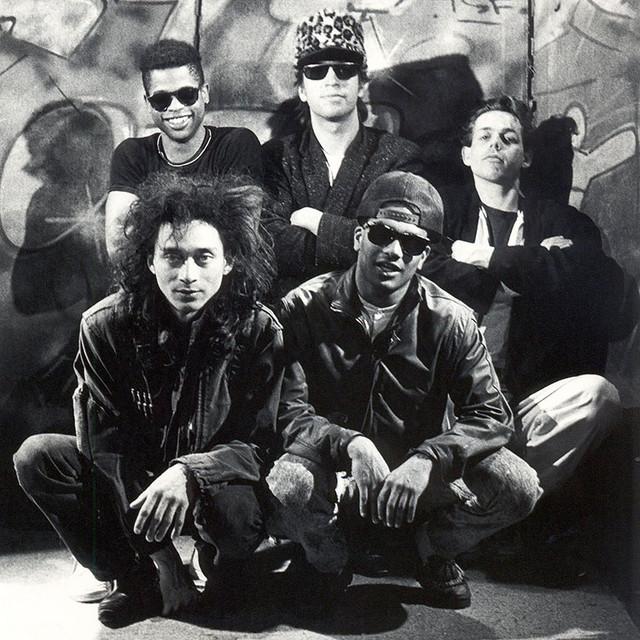
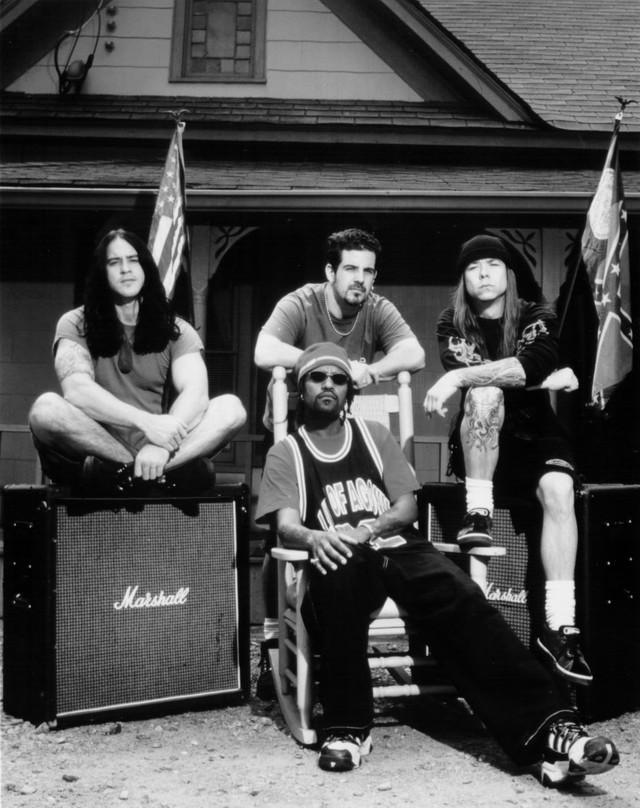
Senser’s Spotify BioBorn out of free festivals, squat parties, acid raves, and political unrest, Senser fused beats, rhymes, raw guitars, and a kaleidoscope of influences to create a sound entirely their own. Known for politically charged lyrics and a massive live energy, they broke through with their debut album Stacked Up (1994), reaching No.4 on the UK charts and earning global acclaim.
Relentless touring followed, along with lineup shifts that led to 1997’s Asylum, produced by Arthur Baker, and 2003’s SCHEMAtic on One Little Indian Records — an early step toward their independent path. After a short hiatus, Senser returned in 2009 with How To Do Battle, collaborating with producers behind The Prodigy and Wu-Tang Clan, reaffirming their power as one of the UK’s most dynamic live acts.
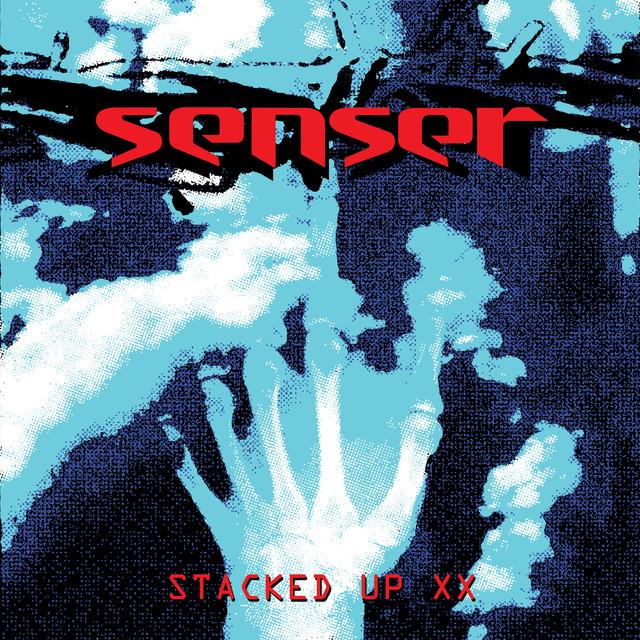
The Biting Rhymes EP (2011) and fan-funded To The Capsules (2013) saw the band refine their fusion of rock, metal, hip-hop, and electronica. In 2014, they celebrated Stacked Up XX, remastered by John Dent (The Clash, The… Prodigy).
Still writing, recording, and touring, Senser remain fiercely independent. Their 2025 album Sonic Dissidence — self-funded, self-produced, and released on their label, Imprint Music — captures the band at their rawest. No filters. No compromises. 100% Senser.
Viberate is a music analytics platform built for A&Rs, artist managers, labels, booking agents, marketers, and artists.
It helps music professionals track artist growth, analyze audience data, monitor playlist activity, compare artists, follow song performance, and identify opportunities across the music market.
Public artist pages provide a free preview of selected artist data. Paid plans provide access to deeper analytics, historical data, charts, comparisons, playlist tools, exports, alerts, reports, and additional professional features.
Yes. Public Viberate artist pages provide selected artist analytics and music data for free.
Viberate also offers a 7-day free trial of the full platform. A credit card is required to start the trial. The trial includes access to the complete product so users can test deeper artist analytics, historical views, playlist insights, comparisons, charts, exports, alerts, and reporting features before choosing a paid plan.
Viberate provides artist analytics across streaming, playlists, social media, video, radio airplay, songs, and audience markets.
Users can analyze Spotify performance, Spotify and Apple Music playlists, YouTube activity, TikTok and Instagram growth, radio spins, song performance, audience locations, demographics, rankings, and overall artist momentum.
Artist profiles also connect to music charts, similar artists, and comparison tools, helping users benchmark performance and evaluate artists in context.
Viberate updates key artist and track data daily.
For followed artists and tracks, selected data is refreshed multiple times per day. This helps teams monitor playlist changes, streaming movement, audience growth, releases, and campaign performance with more current data.
Update frequency can vary depending on the metric and data source.
Yes. Viberate lets users compare up to five artists side by side across streaming, social media, audience, and engagement metrics.
Users can compare fanbase growth, audience demographics, locations, Spotify performance, social metrics, and other artist data over selected time periods.
Artist comparison can be used for A&R scouting, benchmarking, booking decisions, campaign planning, and evaluating artists with similar audiences or market positions.