Sandy Nelson

Rock
Rockabilly
Indie Rock
 Viberate Rank: 108667
 Viberate Rank: 108667
 Monthly ListenersFollowers
 Subscribers
 Followers
 Followers
 FansTop Spotify Songs
| Track | 7-Day Streams | |
|---|---|---|
1 | 9.67K | |
2 | 2.40K | |
3 | 2.11K | |
4 | 2.11K | |
5 | 2.11K |
Top YouTube VideosMonthly ListenersFeatured in Playlists| Playlist | Followers | |
|---|---|---|
1 |  Surf Rock Classics awaterslideaway | 105.79K |
2 | Jillian Nichols | 87.21K |
3 |  Mafia 2 - Game Soundtrack vstmn | 33.77K |
4 |  Far Cry Complete Music | Official Playlist Ubisoft Music | 31.41K |
5 |  1950s hits (300) mervynvankuyen | 24.29K |
Audience| City | Monthly Listeners | |
|---|---|---|
1 |  | 681 |
2 |  | 637 |
3 | | 530 |
4 | | 429 |
5 | | 384 |
See full performance history, audience data, playlist activity, rankings, comparisons, and more in Viberate music analytics. Start with a free trial, then continue with a paid plan.
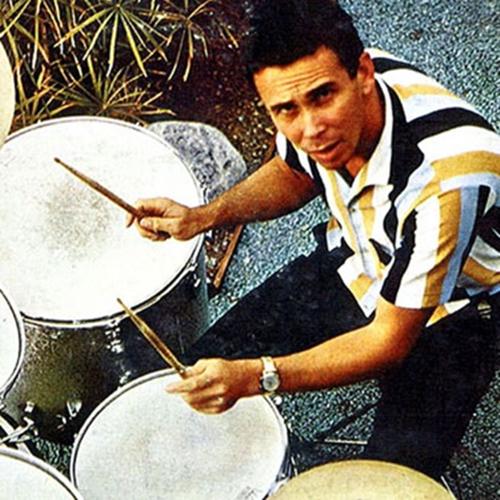
Sandy Nelson’s Spotify BioSandy Nelson was a rarity in early rock music: a popular Los Angeles session drummer with a punchy Gene Krupa-inspired style, he also managed to become a star in his own right thanks to the instrumental solo hits "Teen Beat" (1959) and "Let There Be Drums" (1961). Combining cool, sometimes splashy drum patterns with low, rumbling electric guitar licks, his songs were forerunners of the West Coast surf sound that emerged in the early '60s. After surviving a serious 1963 motorcycle accident that resulted in a partial amputation of his right leg, Nelson readjusted his technique and carried on making instrumental rock albums well into the '70s. He later settled down near Las Vegas and made one more original album, 2008's Nelsonized, prior to his death in February 2022.
Nelson began playing rock & roll in the mid-'50s as a teenager in Los Angeles. Among his high school classmates were future surf pop heroes Jan Berry and Dean Torrence (Jan and Dean) and producer Kim Fowley. One of Nelson's… earliest groups, the Renegades, featured among others, future Beach Boy Bruce Johnston and scored a minor Midwestern hit with their Fowley-produced 1959 single "Geronimo." As a session drummer, Nelson had already found steady work appearing on songs like the Teddy Bears' chart-topper "To Know Him Is to Love Him," the Hollywood Argyles' "Alley Oop," and a number of Gene Vincent records. During a time when instrumental rock was at its commercial peak, Nelson became a breakout success with "Teen Beat," a lean pre-surf gem that became a major U.S. hit, reaching number four on the Billboard Hot 100 and going gold. It was rare for a drummer to become a solo star, but Nelson capitalized on his good fortune and managed two more instrumental Top 40 hits with 1961's "Let There Be Drums" and 1962's "Drums Are My Beat." And he didn't just focus on singles; between 1960 and 1962 he churned out an impressive eight studio albums with the assistance of fellow L.A. studio cats like saxophonist Steve Douglas, pianist Ernie Freeman, and guitarist Rene Hall. Neither did he abandon his back-up gig as a session man. Between solo releases like He's a Drummer Boy and Drummin' Up a Storm, Nelson could be heard on hits like Kathy Young and the Innocents' Top Five "A Thousand Stars."
Near the end of 1963, Nelson's motorcycle collided with a school bus on Mulholland Drive, an accident that necessitated amputation of his right foot and part of his leg. Without hardly missing a beat, he taught himself to play the bass drum with his left foot and resumed drumming almost as prolifically as before. Although instrumental rock's popularity had waned, Nelson kept up a steady stream of albums and singles including 1965's "Casbah" with its wild splashing drums and frenetic Middle Eastern/surf guitar. By the early '70s, his music career had mostly subsided and after 1975's Disco Dynamite, he more or less disappeared from the business. While his playing wasn't technically jaw-dropping, he had a certain rock & roll panache and some of the more reckless elements of his style helped influence future surf drummers and, later, Keith Moon.
He spent his later years in Las Vegas, drumming locally and playing some piano and keyboards as well. In 2008, he formed a group called Sandy Nelson & the Sin City Termites, which included Eddie Angel of Los Straitjackets on guitar. They released an album of originals that same year called Nelsonized. Nelson suffered a stroke in 2017 and was plagued by complications from it until his eventual death on February 14, 2022. He was 83 years old. ~ Timothy Monger & Richie Unterberger, Rovi
Viberate is a music analytics platform built for A&Rs, artist managers, labels, booking agents, marketers, and artists.
It helps music professionals track artist growth, analyze audience data, monitor playlist activity, compare artists, follow song performance, and identify opportunities across the music market.
Public artist pages provide a free preview of selected artist data. Paid plans provide access to deeper analytics, historical data, charts, comparisons, playlist tools, exports, alerts, reports, and additional professional features.
Yes. Public Viberate artist pages provide selected artist analytics and music data for free.
Viberate also offers a 7-day free trial of the full platform. A credit card is required to start the trial. The trial includes access to the complete product so users can test deeper artist analytics, historical views, playlist insights, comparisons, charts, exports, alerts, and reporting features before choosing a paid plan.
Viberate provides artist analytics across streaming, playlists, social media, video, radio airplay, songs, and audience markets.
Users can analyze Spotify performance, Spotify and Apple Music playlists, YouTube activity, TikTok and Instagram growth, radio spins, song performance, audience locations, demographics, rankings, and overall artist momentum.
Artist profiles also connect to music charts, similar artists, and comparison tools, helping users benchmark performance and evaluate artists in context.
Viberate updates key artist and track data daily.
For followed artists and tracks, selected data is refreshed multiple times per day. This helps teams monitor playlist changes, streaming movement, audience growth, releases, and campaign performance with more current data.
Update frequency can vary depending on the metric and data source.
Yes. Viberate lets users compare up to five artists side by side across streaming, social media, audience, and engagement metrics.
Users can compare fanbase growth, audience demographics, locations, Spotify performance, social metrics, and other artist data over selected time periods.
Artist comparison can be used for A&R scouting, benchmarking, booking decisions, campaign planning, and evaluating artists with similar audiences or market positions.