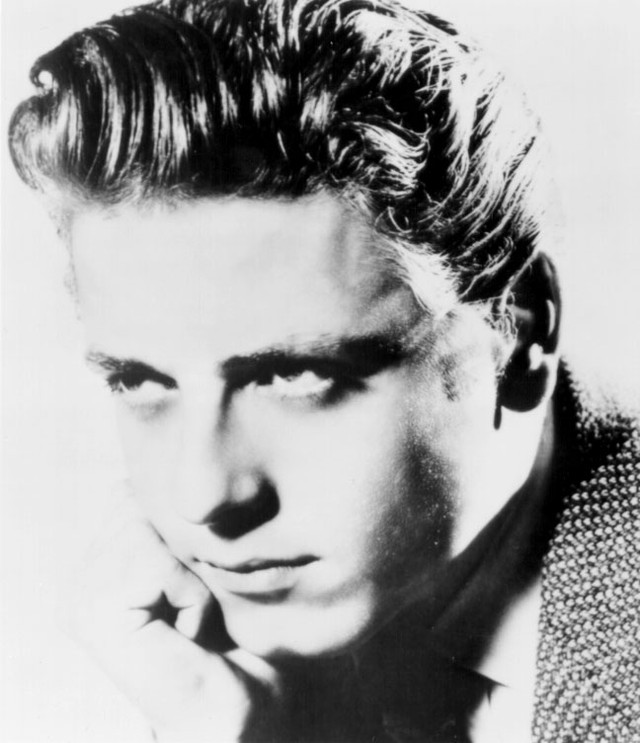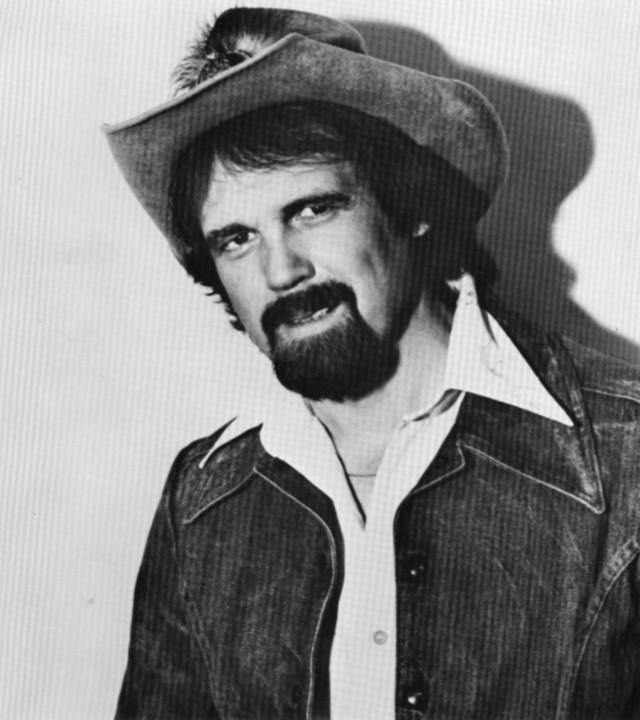
Duane Eddy

Rock
Rockabilly
Indie Rock
Americana/Alt Country
 Viberate Rank: 42178
 Viberate Rank: 42178
 Monthly ListenersFollowers
 Subscribers
 Followers
 Followers
 FansTop Spotify Songs
| Track | 7-Day Streams | |
|---|---|---|
1 | 57.17K | |
2 | 20.12K | |
3 | 16.74K | |
4 | 5.32K | |
5 | 5.15K |
Top YouTube Videos| Video | 7-Day Views | |
|---|---|---|
1 | 5.83K | |
2 | 2.70K | |
3 | 1.93K | |
4 | 1.85K | |
5 | 1.76K |
Monthly ListenersFeatured in Playlists| Playlist | Followers | |
|---|---|---|
1 |  All Out 50s Spotify | 1.89M |
2 |  Euphoria Soundtrack Season 1, 2 & 3 - All Songs JudasVargas | 749.94K |
3 |  Euphoria Official Playlist Spotify | 320.67K |
4 |  1960s Hits 💥 Classics Filtr Sweden | 317.47K |
5 |  50s Party Spotify | 313.80K |
Audience| City | Monthly Listeners | |
|---|---|---|
1 |  | 3.42K |
2 | | 3.31K |
3 |  | 2.84K |
4 | | 2.51K |
5 | | 2.39K |
See full performance history, audience data, playlist activity, rankings, comparisons, and more in Viberate music analytics. Start with a free trial, then continue with a paid plan.
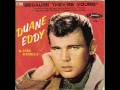
Duane Eddy’s Spotify BioDuane Eddy's instrumental rock & roll hits from the late '50s were vastly influential and his twanging, echoing sound was instantly recognizable on songs like "Rebel Rouser and "Peter Gunn." Along with Chuck Berry, Eddy was responsible for popularizing the electric rock guitar. His distinctively low and muscular riffs could be heard on no less than 15 Top 40 hits between 1958 and 1963. He was also one of the first rock stars to successfully crack the LP market, and his legacy could be found in genres ranging from surf music to punk.
That twangy sound was devised in collaboration with producer Lee Hazlewood, an Arizona disc jockey whom Eddy had met while hanging out at a radio station as a teenager. By the late '50s, Hazlewood had branched out into production. Before Eddy began recording, his principal influence had been Chet Atkins, but at Hazlewood's suggestion, he started concentrating on guitar lines at the lower end of the strings. The opening riff of his debut single, "Movin' and… Groovin'," would be lifted for the Beach Boys five years later to open "Surfin' U.S.A." It was the next 45, "Rebel Rouser," that would really break him as a national star, reaching the Top Ten in 1958. Opening with a down-and-dirty heavily echoed guitar riff, it remains the tune with which he's most often identified.
Eddy's phenomenally successful run of hits over the next few years -- "Peter Gunn," "Cannonball," "Shazam," and "Forty Miles of Bad Road" were probably the best -- did their part to help keep the raunchy spirit of rock & roll alive at a time in which it was in danger of being watered down. Much of that raunch was not solely due to Eddy himself, but to the honking sax solos of Steve Douglas, who would go on to become one of the top session players in the industry. Eddy would have his biggest hit, however, in 1960, when he sweetened the twang with strings for the movie theme "Because They're Young."
Eddy's records were also huge influences on legions of budding guitar players. In England, the Shadows no doubt took Eddy as one of their chief inspirations for their spare, moody sound, as one listen to their most famous hit, "Apache," makes obvious. More subtly, his influence can also be heard in the work of George Harrison. For evidence, listen to the growling riffs that decorate the verse of "I Want to Hold Your Hand."
Eddy started to lose momentum in the early '60s and left the Jamie label in 1962 for the much bigger RCA. "(Dance with The) Guitar Man," which featured an atypical chorus of female vocals, would be his last Top 20 hit that same year. His albums -- often based on loose themes, like A Million Dollars Worth of Twang, Twistin' with Duane Eddy, and Surfin' -- stuck to the same tried and true formula, although scattered cuts indicate he was capable of abandoning the twang for more bluesy or straight-out rock sounds. The British Invasion wiped Eddy out commercially, although he recorded intermittently over the next couple of decades. In 1986, he enjoyed a brief comeback when the Art of Noise built their "Peter Gunn" hit around his guest contributions; Paul McCartney, George Harrison, Ry Cooder, and Jeff Lynne all helped produce a self-titled 1987 album.
Eddy was inducted into the Rock & Roll Hall of Fame in 1994, a year after Rhino released the definitive double-disc compilation Twang Thang: Anthology. During the '90s and 2000s, Eddy continued to make appearances on record and on-stage, culminating in a headlining appearance at London's Royal Festival Hall in October 2010. This performance led to Eddy recording a new album with producer Richard Hawley. The resulting Road Trip appeared in the U.K. in 2011. He continued to play live shows and in 2018 played a series of concerts in the U.K. to celebrate his 80th birthday. Two years later, his distinctive guitar work was featured on Shemekia Copeland's Uncivil War album, as well as the Johnny Cash and the Royal Philharmonic album. His last appearance on a song during his lifetime was on "Going Home," an all-star charity track organized by Mark Knopfler. Eddy passed away on April 30, 2024. ~ Richie Unterberger, Rovi
Viberate is a music analytics platform built for A&Rs, artist managers, labels, booking agents, marketers, and artists.
It helps music professionals track artist growth, analyze audience data, monitor playlist activity, compare artists, follow song performance, and identify opportunities across the music market.
Public artist pages provide a free preview of selected artist data. Paid plans provide access to deeper analytics, historical data, charts, comparisons, playlist tools, exports, alerts, reports, and additional professional features.
Yes. Public Viberate artist pages provide selected artist analytics and music data for free.
Viberate also offers a 7-day free trial of the full platform. A credit card is required to start the trial. The trial includes access to the complete product so users can test deeper artist analytics, historical views, playlist insights, comparisons, charts, exports, alerts, and reporting features before choosing a paid plan.
Viberate provides artist analytics across streaming, playlists, social media, video, radio airplay, songs, and audience markets.
Users can analyze Spotify performance, Spotify and Apple Music playlists, YouTube activity, TikTok and Instagram growth, radio spins, song performance, audience locations, demographics, rankings, and overall artist momentum.
Artist profiles also connect to music charts, similar artists, and comparison tools, helping users benchmark performance and evaluate artists in context.
Viberate updates key artist and track data daily.
For followed artists and tracks, selected data is refreshed multiple times per day. This helps teams monitor playlist changes, streaming movement, audience growth, releases, and campaign performance with more current data.
Update frequency can vary depending on the metric and data source.
Yes. Viberate lets users compare up to five artists side by side across streaming, social media, audience, and engagement metrics.
Users can compare fanbase growth, audience demographics, locations, Spotify performance, social metrics, and other artist data over selected time periods.
Artist comparison can be used for A&R scouting, benchmarking, booking decisions, campaign planning, and evaluating artists with similar audiences or market positions.