Preston Epps

Rock
Pop Rock
Swing
 Viberate Rank: 256281
 Viberate Rank: 256281
 Monthly ListenersFollowers
 Subscribers
 Followers
 Followers
 FansTop Spotify Songs
| Track | 7-Day Streams | |
|---|---|---|
1 | 200 | |
2 | 173 | |
3 | 173 | |
4 | 78 | |
5 | 64 |
Top YouTube VideosMonthly ListenersFeatured in Playlists| Playlist | Followers | |
|---|---|---|
1 |  Surf Rock Classics awaterslideaway | 105.79K |
2 |  1950s hits (300) mervynvankuyen | 24.29K |
3 | Surf Music 50's & 60's Eric Trabert | 13.82K |
4 |  GSA'yla Karantina Keyfs Gaye Su Akyol | 7.20K |
5 |  IGGY POP 🟢 The Confidential Show. 🟢@ bbc6music Roadrunner Music | 5.21K |
Audience| City | Monthly Listeners | |
|---|---|---|
1 |  | 116 |
2 |  | 113 |
3 |  | 87 |
4 |  | 57 |
5 |  | 55 |
See full performance history, audience data, playlist activity, rankings, comparisons, and more in Viberate music analytics. Start with a free trial, then continue with a paid plan.
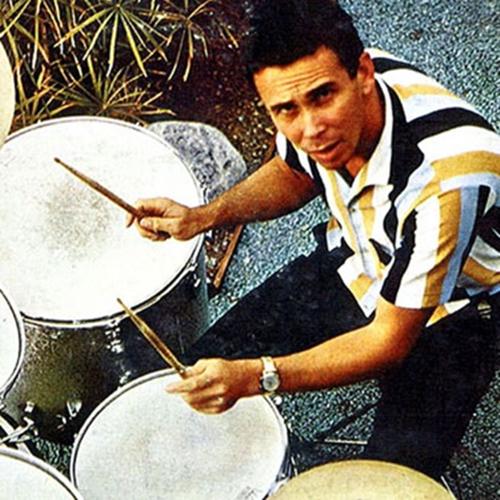
Preston Epps’ Spotify BioPreston Epps (born 1931 in Oakland, CA) still performs in clubs in Southern California and the Southwest region of the United States. A one-hit-wonder, Epps scored a number 14 pop hit in 1959 with "Bongo Rock," but subsequent singles felled on deaf ears. He learned to play the bongos and other percussion instruments during the Korean War while stationed in Okinawa.
When his duties ended, he forsook Northern California for Southern Cali, sustaining himself by working odd jobs; he hung around the emerging beatnik, hippie set by frequenting coffeehouses, and pounding the skins for the appreciative heads. DJ Art Laboe discovered Epps at a cozy, laid-back coffeehouse and signed him to his newly founded Original Sound Records. Epps' "Bongo Rock" became the label's first hit; Laboe released a second single, "Bongo, Bongo, Bongo," in 1960 that slotted 64 positions lower.
Epps first album, Bongo Bongo Bongo, dropped in 1960 on the heels of the second single and did okay. However, subsequent… singles, "Bongo in the Congo," "Bongo Rocket," "Bongo Boogie," "Flamenco Bongo," "Mr. Bongo," "Bongo Shuffle," and other Bongo derivatives failed to generate any interest. Two more albums, Bongola (1961) and Surfin' Bongos (1962), went unnoticed; you can find select recordings by Epps on numerous vinyl and CD compilations. The Incredible Bongo Band updated "Bongo Rock" (Epps co-wrote the instrumental with Arthur Egnoian, a pseudonym for Arthur Laboe) and rode it to number 73 in 1973.
Epps played a bongo player in the movie Girl In Gold Boots, released in 1969. The flick was about a draft-dodger, a drifter, and his wannabe-dancer girlfriend; all get implicated in a murder centering around drugs, sex, and rock & roll in the late '60s. Epps has done extensive session work, including an appearance on Gypsys' debut LP for Metromedia Records. Still active, Epps plays a variety of clubs in Southern California including Monteleone's West, the Lozano Restaurant, and the Atlas Supper Club. ~ Andrew Hamilton, Rovi
Viberate is a music analytics platform built for A&Rs, artist managers, labels, booking agents, marketers, and artists.
It helps music professionals track artist growth, analyze audience data, monitor playlist activity, compare artists, follow song performance, and identify opportunities across the music market.
Public artist pages provide a free preview of selected artist data. Paid plans provide access to deeper analytics, historical data, charts, comparisons, playlist tools, exports, alerts, reports, and additional professional features.
Yes. Public Viberate artist pages provide selected artist analytics and music data for free.
Viberate also offers a 7-day free trial of the full platform. A credit card is required to start the trial. The trial includes access to the complete product so users can test deeper artist analytics, historical views, playlist insights, comparisons, charts, exports, alerts, and reporting features before choosing a paid plan.
Viberate provides artist analytics across streaming, playlists, social media, video, radio airplay, songs, and audience markets.
Users can analyze Spotify performance, Spotify and Apple Music playlists, YouTube activity, TikTok and Instagram growth, radio spins, song performance, audience locations, demographics, rankings, and overall artist momentum.
Artist profiles also connect to music charts, similar artists, and comparison tools, helping users benchmark performance and evaluate artists in context.
Viberate updates key artist and track data daily.
For followed artists and tracks, selected data is refreshed multiple times per day. This helps teams monitor playlist changes, streaming movement, audience growth, releases, and campaign performance with more current data.
Update frequency can vary depending on the metric and data source.
Yes. Viberate lets users compare up to five artists side by side across streaming, social media, audience, and engagement metrics.
Users can compare fanbase growth, audience demographics, locations, Spotify performance, social metrics, and other artist data over selected time periods.
Artist comparison can be used for A&R scouting, benchmarking, booking decisions, campaign planning, and evaluating artists with similar audiences or market positions.