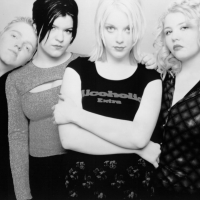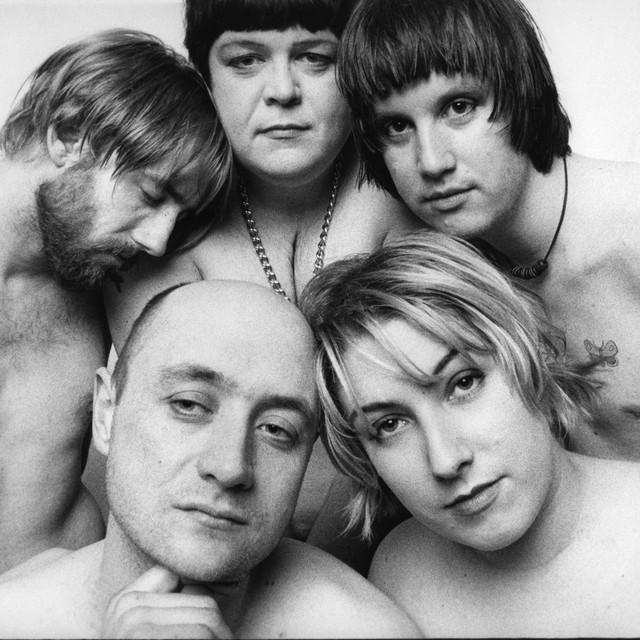
Salad

Rock
Indie Rock
Alternative Rock
 Viberate Rank: 297013
 Viberate Rank: 297013
 Monthly ListenersFollowers
 Subscribers
 Followers
 Followers
 FansTop Spotify Songs
| Track | 7-Day Streams | |
|---|---|---|
1 | 898 | |
2 | 871 | |
3 | 336 | |
4 | 164 | |
5 | 94 |
Top YouTube VideosMonthly ListenersFeatured in Playlists| Playlist | Followers | |
|---|---|---|
1 | Britpop classics Raymond Manookian | 20.23K |
2 |  NME C86, C87, C88, C89, C90 & C91: Indie Cassette Classics Cherry Red Records | 7.72K |
3 | Paris Derniere Bar Benteveo | 4.21K |
4 |  Britpop at the BBC (BBC 6 Music) BBC Music Playlists | 3.90K |
5 | Stubru Was het nu 80, 90 of 2000 Johan De Kimpe | 3.58K |
Audience| City | Monthly Listeners | |
|---|---|---|
1 | | 465 |
2 | | 224 |
3 | | 121 |
4 | | 114 |
5 | | 55 |
See full performance history, audience data, playlist activity, rankings, comparisons, and more in Viberate music analytics. Start with a free trial, then continue with a paid plan.
Salad’s Spotify BioFormed in 1992 by Marijne van der Vlugt, Paul Kennedy, Pete Brown and Rob Wakeman, Salad's debut album Drink Me (Top 20 in 1995) won critical acclaim and led to tours with Blur and other contemporaries. BBC 6Music are still playing singles from the album (Drink the Elixir and Motorbike to Heaven).
They followed this with second album, Ice Cream (1997), produced by Donald Ross Skinner (Julian Cope, Prolapse). Charley Stone (Gay Dad) played live with the band from August 1996 and subsequently joined the group as a full member before they disbanded in 1998.
Fast forward to 2017 and the reformation of Salad, with Donald Ross Skinner taking over the drum stool, which saw them release The Lost Album Vol. 1 and perform at the high profile Star Shaped Festival. They continued their rise in 2018 with a headline tour across the UK and their first single in 21 years, The Selfishness of Love.
In August 2019, the band released a new album The Salad Way which was met with universal acclaim, earning… rave reviews across the board including a four star review in Mojo and, again, receiving solid radio support from 6Music. Salad are about to release news of a new EP. The first track off it "I Didn't Know You'd Gone" will be out on March 17th 2023.
Viberate is a music analytics platform built for A&Rs, artist managers, labels, booking agents, marketers, and artists.
It helps music professionals track artist growth, analyze audience data, monitor playlist activity, compare artists, follow song performance, and identify opportunities across the music market.
Public artist pages provide a free preview of selected artist data. Paid plans provide access to deeper analytics, historical data, charts, comparisons, playlist tools, exports, alerts, reports, and additional professional features.
Yes. Public Viberate artist pages provide selected artist analytics and music data for free.
Viberate also offers a 7-day free trial of the full platform. A credit card is required to start the trial. The trial includes access to the complete product so users can test deeper artist analytics, historical views, playlist insights, comparisons, charts, exports, alerts, and reporting features before choosing a paid plan.
Viberate provides artist analytics across streaming, playlists, social media, video, radio airplay, songs, and audience markets.
Users can analyze Spotify performance, Spotify and Apple Music playlists, YouTube activity, TikTok and Instagram growth, radio spins, song performance, audience locations, demographics, rankings, and overall artist momentum.
Artist profiles also connect to music charts, similar artists, and comparison tools, helping users benchmark performance and evaluate artists in context.
Viberate updates key artist and track data daily.
For followed artists and tracks, selected data is refreshed multiple times per day. This helps teams monitor playlist changes, streaming movement, audience growth, releases, and campaign performance with more current data.
Update frequency can vary depending on the metric and data source.
Yes. Viberate lets users compare up to five artists side by side across streaming, social media, audience, and engagement metrics.
Users can compare fanbase growth, audience demographics, locations, Spotify performance, social metrics, and other artist data over selected time periods.
Artist comparison can be used for A&R scouting, benchmarking, booking decisions, campaign planning, and evaluating artists with similar audiences or market positions.