Kenickie

Rock
Pop Rock
Alternative Rock
 Viberate Rank: 306266
 Viberate Rank: 306266
 Monthly ListenersFollowers
 Subscribers
 Followers
 Followers
 FansTop Spotify Songs
| Track | 7-Day Streams | |
|---|---|---|
1 | 592 | |
2 | 423 | |
3 | 251 | |
4 | 129 | |
5 | 87 |
Top YouTube VideosMonthly ListenersFeatured in Playlists| Playlist | Followers | |
|---|---|---|
1 | Britpop classics Raymond Manookian | 20.23K |
2 | Brit Pop 90s Indie & Alternative Sergio Otero Sevillano | 13.22K |
3 | Ultimate 90s Indie/Alt jalf79 | 13.20K |
4 |  dariacore lenns | 7.67K |
5 | The Wicked + The Divine Kieron Gillen | 6.88K |
Audience| City | Monthly Listeners | |
|---|---|---|
1 | | 307 |
2 | | 163 |
3 | | 72 |
4 | | 58 |
5 |  | 49 |
See full performance history, audience data, playlist activity, rankings, comparisons, and more in Viberate music analytics. Start with a free trial, then continue with a paid plan.
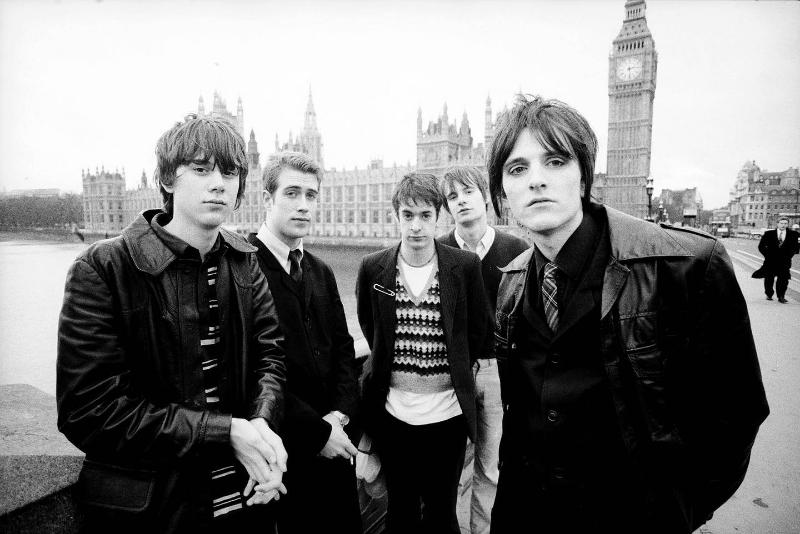
Kenickie’s Spotify BioRefining the riot grrrl aesthetic to a simple, bratty attitude, Kenickie were one of a rash of British teenage punk-pop bands that emerged in the wake of Supergrass' success in the mid-'90s. More indebted to indie rock than either Supergrass or their peers Ash, but considerably less strident, amateurish and cutesy than the Bis, Kenickie's music wasn't necessarily revolutionary, but it had an invigorating energy that earned them a cult following within the UK music press before the release of their 1997 debut album, At the Club.
Schoolmates Lauren Laverne (vocals, guitar), Marie Du Stantiago (guitar) and Emmy-Kate Montroe (bass) formed Kenickie in August, 1994 as they were studying in secondary school. All three were the age of 16. Laverne's older brother, Johnny X, was recruited as drummer, and the band chose to call themselves Kenickie, naming themselves after John Travolta's sidekick from Grease. Over the next few months, they wrote a batch of songs, made a demo and by late 1994, they… had begun playing indie clubs. Creation Records' Alan McGee approached the band in February of 1995, but they rejected his offer, preferring to release a series of indie singles. John Peel played their demo Catsuit City well before its April 1995 release by the Newcastle-based indie label, Slampt. The seven-inch Catsuit City EP created a buzz around Kenickie but because of their studies and "A" level tests, they didn't release their second single, "Come Out 2 Nite," until nearly a year later. The song was the lead track on their second EP, Skillex, which appeared on the hip Fierce Panda label in the spring of 1996. A few months later, the band had signed to Emidisc, a subsidiary of EMI headed by St. Etienne's Bob Stanley and Pete Wiggs.
In the latter half of 1996, Kenickie released two singles -- "Punka" and "Millionaire Sweeper" -- which reached numbers 44 and 60 respectively and substantially expanded their following. Early in 1997, they had their first Top 40 hit with the number 24 "In Your Car." The single was followed in April by the band's full-length debut, At the Club. ~ Stephen Thomas Erlewine, Rovi
Viberate is a music analytics platform built for A&Rs, artist managers, labels, booking agents, marketers, and artists.
It helps music professionals track artist growth, analyze audience data, monitor playlist activity, compare artists, follow song performance, and identify opportunities across the music market.
Public artist pages provide a free preview of selected artist data. Paid plans provide access to deeper analytics, historical data, charts, comparisons, playlist tools, exports, alerts, reports, and additional professional features.
Yes. Public Viberate artist pages provide selected artist analytics and music data for free.
Viberate also offers a 7-day free trial of the full platform. A credit card is required to start the trial. The trial includes access to the complete product so users can test deeper artist analytics, historical views, playlist insights, comparisons, charts, exports, alerts, and reporting features before choosing a paid plan.
Viberate provides artist analytics across streaming, playlists, social media, video, radio airplay, songs, and audience markets.
Users can analyze Spotify performance, Spotify and Apple Music playlists, YouTube activity, TikTok and Instagram growth, radio spins, song performance, audience locations, demographics, rankings, and overall artist momentum.
Artist profiles also connect to music charts, similar artists, and comparison tools, helping users benchmark performance and evaluate artists in context.
Viberate updates key artist and track data daily.
For followed artists and tracks, selected data is refreshed multiple times per day. This helps teams monitor playlist changes, streaming movement, audience growth, releases, and campaign performance with more current data.
Update frequency can vary depending on the metric and data source.
Yes. Viberate lets users compare up to five artists side by side across streaming, social media, audience, and engagement metrics.
Users can compare fanbase growth, audience demographics, locations, Spotify performance, social metrics, and other artist data over selected time periods.
Artist comparison can be used for A&R scouting, benchmarking, booking decisions, campaign planning, and evaluating artists with similar audiences or market positions.