Drugstore

Rock
Indie Rock
Alternative Rock
 Viberate Rank: 228326
 Viberate Rank: 228326
 Monthly ListenersFollowers
 Subscribers
 Followers
 Followers
 FansTop Spotify Songs
| Track | 7-Day Streams | |
|---|---|---|
1 | 3.97K | |
2 | 1.07K | |
3 | 395 | |
4 | 250 | |
5 | 224 |
Top YouTube VideosMonthly ListenersFeatured in Playlists| Playlist | Followers | |
|---|---|---|
1 |  What's Hot VNYL | 97.99K |
2 |  triple j's Hottest 100 1998 triple j | 15.21K |
3 |  rory gilmore studying Issy Filipowicz | 14.45K |
4 | Favorites Red Vox | 13.52K |
5 |  Triple J Hottest 100 1993-2023 Morgan Burridge | 11.29K |
Audience| City | Monthly Listeners | |
|---|---|---|
1 | | 507 |
2 |  | 293 |
3 | | 269 |
4 | | 224 |
5 |  | 212 |
See full performance history, audience data, playlist activity, rankings, comparisons, and more in Viberate music analytics. Start with a free trial, then continue with a paid plan.
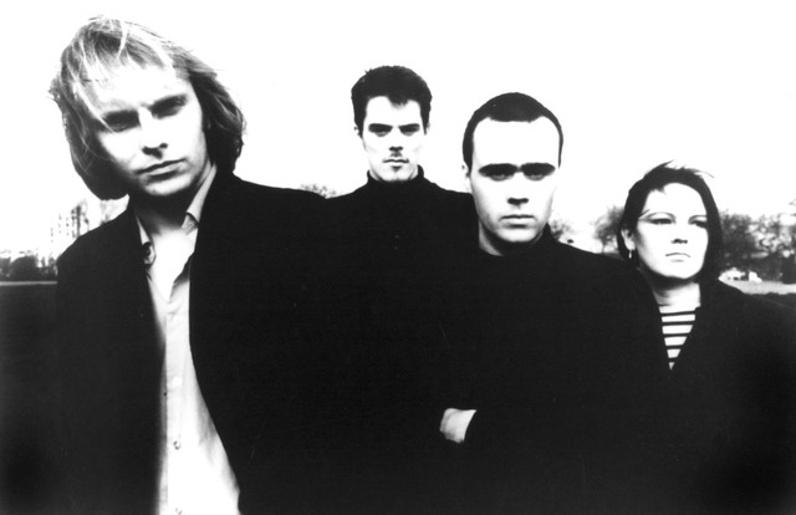
Drugstore’s Spotify BioNamed in honor of filmmaker Gus Van Sant's indie classic Drugstore Cowboy, the dark, atmospheric British-based trio Drugstore formed in London in 1993. The group was led by vocalist/bassist Isabel Monteiro, an expatriate Brazilian who relocated to the U.K. in 1990; after singing in a number of short-lived groups, she eventually teamed with drummer and Los Angeles native Mike Chylinski, and soon Drugstore began to take shape. Claiming to hate her haunting, smoky voice, Monteiro insisted that the fledgling group test other singers, but when none of the auditions proved suitable, she grudgingly agreed to handle vocal chores.
After originating as a thrash outfit, Drugstore developed a sound that gradually grew slower and more dreamy, hot-wiring their music's languid psychedelic beauty with crashing waves of distortion and white noise. Instead of recording a demo, Drugstore issued their debut single, "Alive," on their own Honey label in the spring of 1993. After a flurry of critical acclaim,… the follow-up, "Modern Pleasure," appeared as an installment in the Rough Trade Singles Club series. Inviting guitarist Daron Robinson to join the group full-time, Drugstore soon signed to the Go-Discs! label; after issuing the Starcrossed EP at the beginning of 1995, their stunning self-titled debut album followed later in the year. The band subsequently issued two albums on the Roadrunner label, White Magic for Lovers in 1998 and Songs for the Jet Set in 2001. Ten years later, they released Anatomy on Rocketgirl. ~ Jason Ankeny, Rovi
Viberate is a music analytics platform built for A&Rs, artist managers, labels, booking agents, marketers, and artists.
It helps music professionals track artist growth, analyze audience data, monitor playlist activity, compare artists, follow song performance, and identify opportunities across the music market.
Public artist pages provide a free preview of selected artist data. Paid plans provide access to deeper analytics, historical data, charts, comparisons, playlist tools, exports, alerts, reports, and additional professional features.
Yes. Public Viberate artist pages provide selected artist analytics and music data for free.
Viberate also offers a 7-day free trial of the full platform. A credit card is required to start the trial. The trial includes access to the complete product so users can test deeper artist analytics, historical views, playlist insights, comparisons, charts, exports, alerts, and reporting features before choosing a paid plan.
Viberate provides artist analytics across streaming, playlists, social media, video, radio airplay, songs, and audience markets.
Users can analyze Spotify performance, Spotify and Apple Music playlists, YouTube activity, TikTok and Instagram growth, radio spins, song performance, audience locations, demographics, rankings, and overall artist momentum.
Artist profiles also connect to music charts, similar artists, and comparison tools, helping users benchmark performance and evaluate artists in context.
Viberate updates key artist and track data daily.
For followed artists and tracks, selected data is refreshed multiple times per day. This helps teams monitor playlist changes, streaming movement, audience growth, releases, and campaign performance with more current data.
Update frequency can vary depending on the metric and data source.
Yes. Viberate lets users compare up to five artists side by side across streaming, social media, audience, and engagement metrics.
Users can compare fanbase growth, audience demographics, locations, Spotify performance, social metrics, and other artist data over selected time periods.
Artist comparison can be used for A&R scouting, benchmarking, booking decisions, campaign planning, and evaluating artists with similar audiences or market positions.