Saint Vitus

Metal
Doom/Sludge Metal
 Viberate Rank: 93722
 Viberate Rank: 93722
 Monthly ListenersFollowers
 Subscribers
 Followers
 Followers
 FansTop Spotify Songs
| Track | 7-Day Streams | |
|---|---|---|
1 | 10.74K | |
2 | 4.58K | |
3 | 3.21K | |
4 | 2.35K | |
5 | 2.23K |
Top YouTube VideosMonthly ListenersFeatured in Playlists| Playlist | Followers | |
|---|---|---|
1 | Doom Metal Holger Ihrig | 60.08K |
2 |  Ultimate Doom Metal Loudwire | 45.65K |
3 | Stoner Metal corrynfleming | 37.07K |
4 |  Stoner Rock & Psychedelic Space Rock StonerRock.Space | 36.07K |
5 |  Sludge Metal sam | 22.61K |
Audience| City | Monthly Listeners | |
|---|---|---|
1 |  | 667 |
2 | | 517 |
3 |  | 464 |
4 | | 441 |
5 |  | 389 |
See full performance history, audience data, playlist activity, rankings, comparisons, and more in Viberate music analytics. Start with a free trial, then continue with a paid plan.
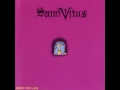
Saint Vitus’ Spotify BioConsidered one of the most influential American doom and sludge metal ensembles, Saint Vitus emerged in the early 1980s alongside monolithic contemporaries like Pentagram, Trouble, and Witchfinder General. With a sound torn from the pages of the gospel of Black Sabbath, the band issued a string of authoritative albums, including Saint Vitus (1984), Born Too Late (1986), V (1990), and Die Healing (1995) before ceasing operations in 1996. The ensuing years saw them occasionally reconvene for a handful of live performances, but they made it official in 2012 when they released their long-awaited eighth studio LP, Lillie: F-65, with a second eponymous LP arriving in 2019.
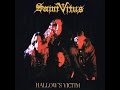
Originally formed as Tyrant in 1979 by vocalist Scott Reagers, guitarist Dave Chandler, bassist Mark Adams, and drummer Armando Acosta, Los Angeles' Saint Vitus was named after a young medieval saint whose beheading and violent death throes gave rise to the gruesome expression ("Saint Vitus Dance" was also the name of a Bla…ck Sabbath song from the Vol. 4 album). Though they couldn't help but be slightly influenced by the SoCal hardcore scene thriving all around them (especially on their early releases), the quartet was a card-carrying disciple of Sabbath's dreary doom metal commandments, specializing in amazingly slow, ponderous power chords and a highly unfashionable biker image. Their eponymous 1984 debut was released by Black Flag guitarist Greg Ginn's SST label, and was followed in quick succession by the Walking Dead EP and the Hallow's Victim album the very next year.
Progress was slow, but the band continued to improve despite the departure of vocalist Reagers, thanks to the arrival of former Obsessed frontman and sometime-guitarist Scott "Wino" Weinrich for 1986's Born Too Late -- generally regarded as their best effort. The following year's Thirsty and Miserable EP and 1988's Mournful Cries found greater acclaim in Europe than America and marked the end of the group's relationship with SST. New label Hellhound released 1989's V as well as a career-spanning live album recorded in Germany a year later. But despite all this hard work, the band seemed incapable of breaking new ground or achieving anything even resembling commercial success. As their disillusionment grew and Wino quit the group to re-form the Obsessed, the release of an SST greatest-hits set called Heavier Than Thou seemed like the final chapter for Saint Vitus. New singer Christian Linderson appeared on 1992's C.O.D., and though the original lineup would briefly reconvene for a last hurrah with 1995's Die Healing, the group officially called it quits the following year.
In 2003 Weinrich, Chandler, Adams, and Acosta re-formed for a one-off gig at the Double Door in Chicago. That same crew came together again for a 2009 European tour, but Acosta left shortly thereafter to deal with health issues -- he passed away the following year. Undeterred, Saint Vitus inked a deal with Season of Mist, and headed into the studio with a lineup consisting of Weinrich, Chandler, Adams, and new drummer Henry Vasquez. The resulting Lillie: F-65, the band's first collection of new music in 17 years, was released in 2012. In 2016, Mark Adams announced that he had been battling Parkinson's disease and would be leaving the fold, so the band brought in seasoned bassist Patrick Bruders (Down, Goatwhore, Crowbar); Adams died on May 24, 2023. Bruders made his studio debut on the group's eponymous ninth long-player in 2019. ~ Eduardo Rivadavia, Rovi
Viberate is a music analytics platform built for A&Rs, artist managers, labels, booking agents, marketers, and artists.
It helps music professionals track artist growth, analyze audience data, monitor playlist activity, compare artists, follow song performance, and identify opportunities across the music market.
Public artist pages provide a free preview of selected artist data. Paid plans provide access to deeper analytics, historical data, charts, comparisons, playlist tools, exports, alerts, reports, and additional professional features.
Yes. Public Viberate artist pages provide selected artist analytics and music data for free.
Viberate also offers a 7-day free trial of the full platform. A credit card is required to start the trial. The trial includes access to the complete product so users can test deeper artist analytics, historical views, playlist insights, comparisons, charts, exports, alerts, and reporting features before choosing a paid plan.
Viberate provides artist analytics across streaming, playlists, social media, video, radio airplay, songs, and audience markets.
Users can analyze Spotify performance, Spotify and Apple Music playlists, YouTube activity, TikTok and Instagram growth, radio spins, song performance, audience locations, demographics, rankings, and overall artist momentum.
Artist profiles also connect to music charts, similar artists, and comparison tools, helping users benchmark performance and evaluate artists in context.
Viberate updates key artist and track data daily.
For followed artists and tracks, selected data is refreshed multiple times per day. This helps teams monitor playlist changes, streaming movement, audience growth, releases, and campaign performance with more current data.
Update frequency can vary depending on the metric and data source.
Yes. Viberate lets users compare up to five artists side by side across streaming, social media, audience, and engagement metrics.
Users can compare fanbase growth, audience demographics, locations, Spotify performance, social metrics, and other artist data over selected time periods.
Artist comparison can be used for A&R scouting, benchmarking, booking decisions, campaign planning, and evaluating artists with similar audiences or market positions.