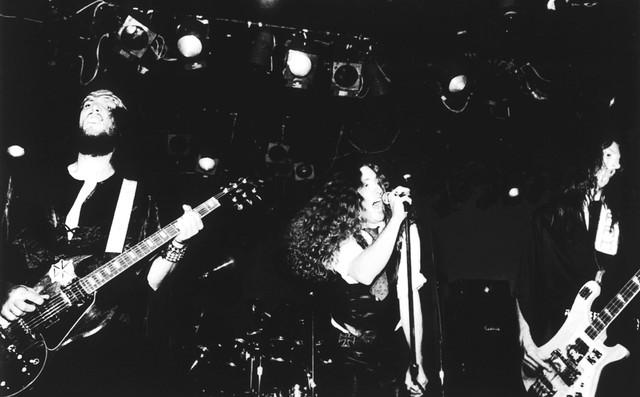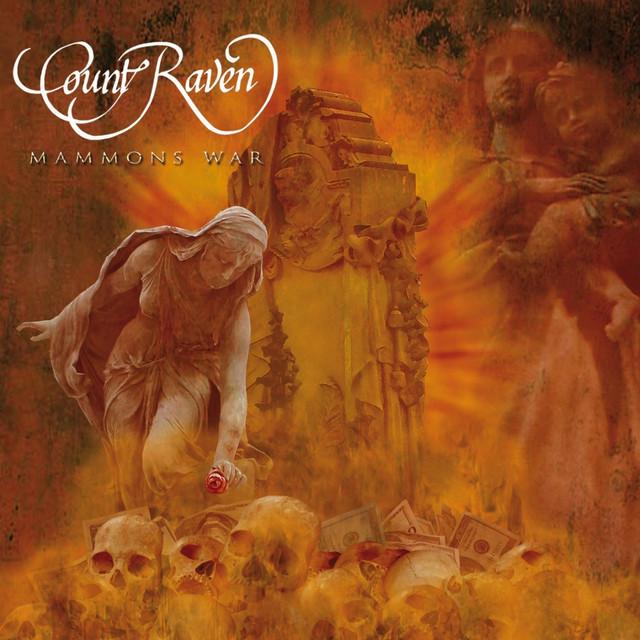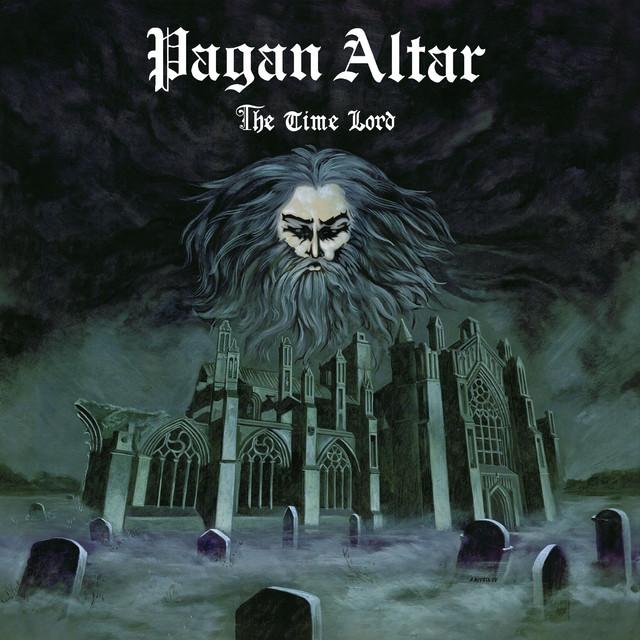
Pagan Altar

Metal
Heavy Metal
Doom/Sludge Metal
 Viberate Rank: 154768
 Viberate Rank: 154768
 Monthly ListenersFollowers
 Subscribers
 Followers
 Followers
 FansTop Spotify Songs
| Track | 7-Day Streams | |
|---|---|---|
1 | 2.12K | |
2 | 1.48K | |
3 | 735 | |
4 | 587 | |
5 | 567 |
Top YouTube VideosMonthly ListenersFeatured in Playlists| Playlist | Followers | |
|---|---|---|
1 | Doom Metal Holger Ihrig | 60.08K |
2 |  Ultimate Doom Metal Loudwire | 45.65K |
3 |  Stoner Rock & Psychedelic Space Rock StonerRock.Space | 36.07K |
4 |  FENRIZ METAL Gylve | 32.35K |
5 | thrash metal Daniel Baldwin | 21.08K |
Audience| City | Monthly Listeners | |
|---|---|---|
1 |  | 195 |
2 |  | 159 |
3 |  | 159 |
4 | | 136 |
5 | | 121 |
See full performance history, audience data, playlist activity, rankings, comparisons, and more in Viberate music analytics. Start with a free trial, then continue with a paid plan.
Pagan Altar’s Spotify BioAt a time when most English heavy metal bands were reinventing the genre for future generations by adopting the D.I.Y. lessons of punk rock and the hyperactive energy of Motörhead (then approaching the height of their powers) to launch the legendary New Wave of British Heavy Metal, London's Pagan Altar represented a truly unfashionable stylistic anomaly in the early '80s. Along with a scant selection of contemporaries -- most notably Stourbridge's far better-known Witchfinder General -- Pagan Altar remained fairly loyal to the sluggish tempos and gothic occultism that dominated heavy metal's original template as defined by their definitive forefathers, Black Sabbath. As a result, Pagan Altar never earned a record deal throughout the course of their eight-year career, and, in retirement, endured the dubious honor of becoming one of the biggest cult acts of their generation, before finally enjoying some measure of recognition and resuming their recording activities in the new millennium.…
Based in the southeast London suburb of Brockley, brothers Terry (vocals) and Alan Jones (guitar) began writing songs and conceptualizing the band that would become Pagan Altar between 1978 and 1979, reportedly spending almost as much time on the concepts and themes they wished to portray as on the music itself. In due time, a five-piece lineup could be found gigging regularly around London's pubs and clubs behind an ever-evolving collection of songs inspired by ancient masters like Black Sabbath and Black Widow, and supported by on-stage theatrics ranging from hooded sorcerers' cloaks to pyrotechnics and props like coffins, skulls, black candles, and inverted crosses (giving fellow New Wave of British Heavy Metal shock artists Demon a run for their money). Over the next few years, the ever-present Jones brothers worked with numerous henchmen (including bassist Glenn Robinson and drummer Mark Elliott) to propagate Pagan Altar's intensely conceptualized vision, but it was with the longstanding rhythm section of Trevor Portch (bass) and Israel-born John Mizrahi (percussion) that they finally recorded several tracks written between 1978 and 1981 at their own Pagan Studios in 1982. (This followed an unsuccessful single release after sessions at Abbey Road Studios in 1980.)
Intended to serve as both a demo to be shopped to record labels and the foundation of an album, these tracks would, amazingly, only be officially released in the mid-'90s, after years spent trafficking the fan-powered network of worldwide tape-trading, so crucial to the diffusion of underground heavy metal before the advent of the Internet. In the interim, Pagan Altar had weathered several more years of disappointment and frustration amid countless small-time gigs, homemade recordings, and frequent musician turnover, before finally throwing in the towel in 1985. And since their belated "rediscovery" (not unlike that which befell cult American doomsters Pentagram), the Jones siblings have recruited new musicians and issued several additional albums under the Pagan Altar banner, including 2004's The Time Lord EP and The Lords of Hypocrisy LP, and 2006's Mythical & Magical. Be advised, however, that after deciding that most of their original recordings were simply not up to standard for release (or had been destroyed by the wear and tear of time), the present-day lineup of Pagan Altar proceeded to re-record them for use in these releases, thereby diminishing their "collectible" value, if not necessarily the quality of the music itself. In 2012 a lineup that included Terry Jones on vocals, Dean Alexander on drums, Vince Hempstead on rhythm guitar, and William Gallagher on bass guitar began work on a new album at Jones' home studio. Sadly, Terry Jones passed away in 2015 after a yearlong battle with cancer. Billed as Pagan Altar's final album, The Room of Shadows was released via Svart Records in 2017. ~ Eduardo Rivadavia, Rovi
Viberate is a music analytics platform built for A&Rs, artist managers, labels, booking agents, marketers, and artists.
It helps music professionals track artist growth, analyze audience data, monitor playlist activity, compare artists, follow song performance, and identify opportunities across the music market.
Public artist pages provide a free preview of selected artist data. Paid plans provide access to deeper analytics, historical data, charts, comparisons, playlist tools, exports, alerts, reports, and additional professional features.
Yes. Public Viberate artist pages provide selected artist analytics and music data for free.
Viberate also offers a 7-day free trial of the full platform. A credit card is required to start the trial. The trial includes access to the complete product so users can test deeper artist analytics, historical views, playlist insights, comparisons, charts, exports, alerts, and reporting features before choosing a paid plan.
Viberate provides artist analytics across streaming, playlists, social media, video, radio airplay, songs, and audience markets.
Users can analyze Spotify performance, Spotify and Apple Music playlists, YouTube activity, TikTok and Instagram growth, radio spins, song performance, audience locations, demographics, rankings, and overall artist momentum.
Artist profiles also connect to music charts, similar artists, and comparison tools, helping users benchmark performance and evaluate artists in context.
Viberate updates key artist and track data daily.
For followed artists and tracks, selected data is refreshed multiple times per day. This helps teams monitor playlist changes, streaming movement, audience growth, releases, and campaign performance with more current data.
Update frequency can vary depending on the metric and data source.
Yes. Viberate lets users compare up to five artists side by side across streaming, social media, audience, and engagement metrics.
Users can compare fanbase growth, audience demographics, locations, Spotify performance, social metrics, and other artist data over selected time periods.
Artist comparison can be used for A&R scouting, benchmarking, booking decisions, campaign planning, and evaluating artists with similar audiences or market positions.