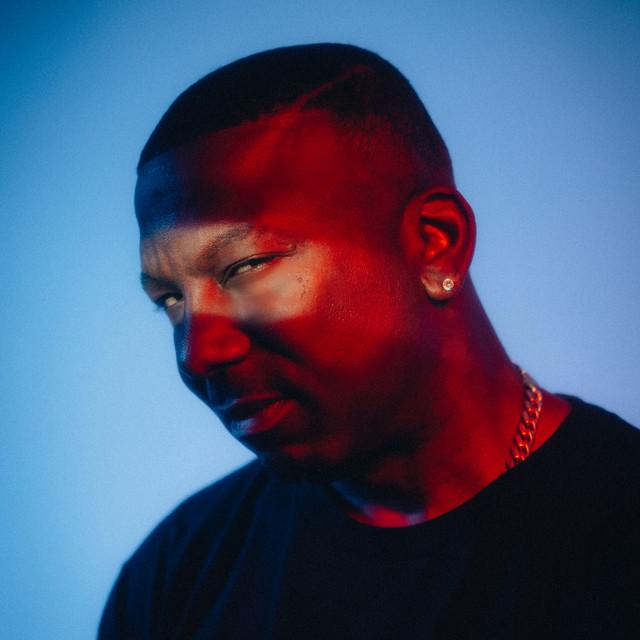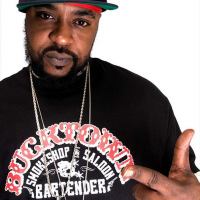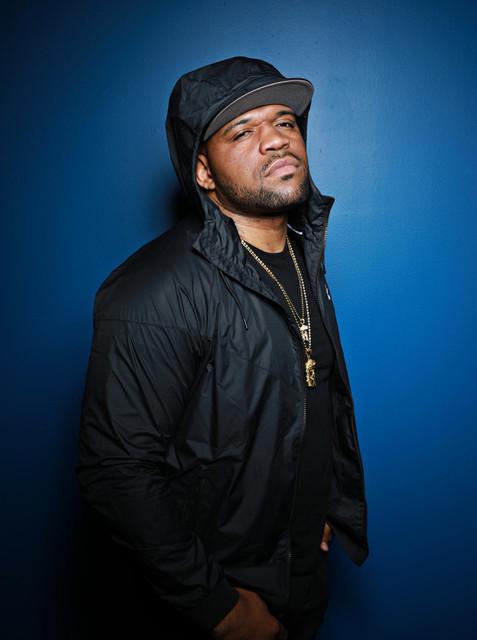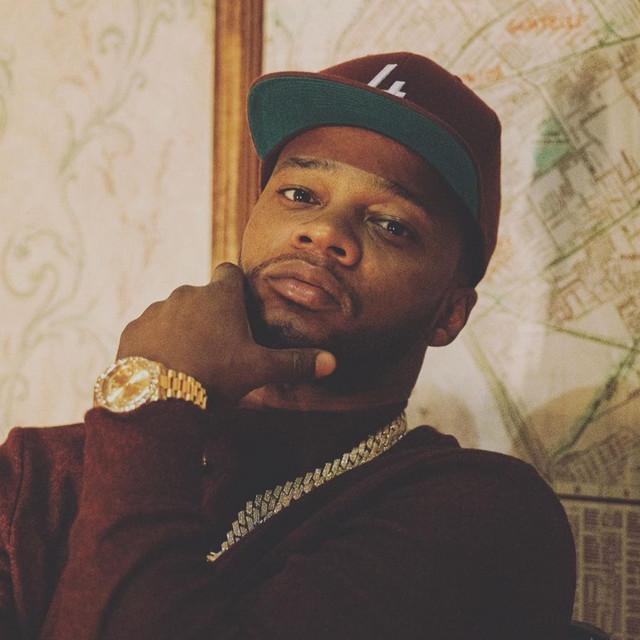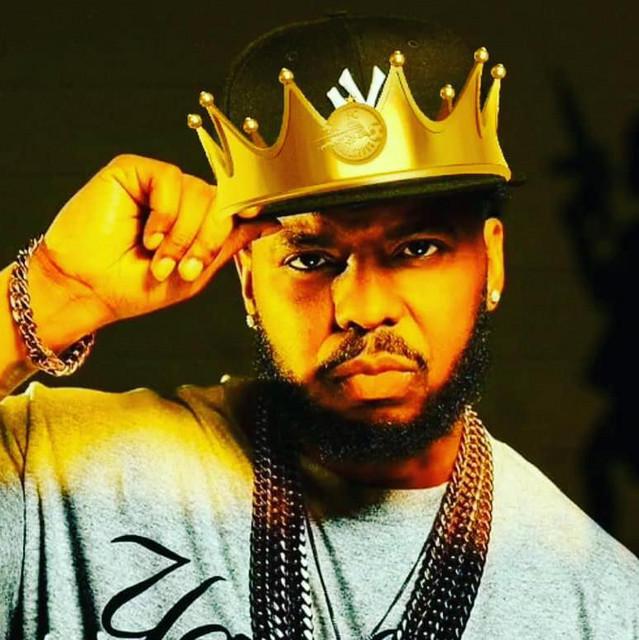
Saigon

Hip Hop
Contemporary Hip Hop
Trap
 Viberate Rank: 31432
 Viberate Rank: 31432
 Monthly ListenersFollowers
 Subscribers
 Followers
 Followers
 FansTop Spotify SongsTop YouTube VideosMonthly ListenersFeatured in Playlists
| Playlist | Followers | |
|---|---|---|
1 |  RnB 90s-00s - Old School RnB Pavle's Playlist Trading | 356.25K |
2 |  R&B Classics Party Spotify | 331.16K |
3 |  Hip-Hop Classics Party Spotify | 312.04K |
4 |  R&B Party Classics Filtr Sweden | 242.64K |
5 | Old School R‘n‘B & Hiphop Reema Abid | 176.22K |
Audience| City | Monthly Listeners | |
|---|---|---|
1 | | 994 |
2 |  | 903 |
3 |  | 689 |
4 | | 561 |
5 | | 557 |
See full performance history, audience data, playlist activity, rankings, comparisons, and more in Viberate music analytics. Start with a free trial, then continue with a paid plan.
Saigon’s Spotify BioAnalogous to mixtape kingpins 50 Cent and Papoose, Saigon rose to prominence within hip-hop's top ranks, particularly in New York, on unofficial singles and mixtapes alone. Politically conscious and street-smart, the rapper became a formidable force when he was taken under the wing of Roc-A-Fella Records' in-demand producer Just Blaze, who shared his passion for early-'90s hip-hop.
Born in Brooklyn but raised in Rockland County, New York, Saigon (aka Brian Carenard) developed his deft rhyming skills during his seven-year stint in prison, where he also earned the nickname "The Yardfather." Still a teenager, he spent much of his time delving into politics and Black history, educating himself on topics like the Vietnam War and Toussaint L'Ouverture, but he identified primarily with the history and background of Malcolm X. After his prison release in 2000, he established the company Abandoned Nation, which was partly a nonprofit foundation to provide support for the children of incarcerated… parents, but also helped him and associated artists to pursue their music careers. His first important musical contact was DJ/producer Mark Ronson, who gave him studio time and access to other valuable contacts. The rapper later left Ronson's company, on good terms, in order to explore better options.
Saigon began producing mixtapes in 2002. It didn't take the raw lyricist much time to gain a sizable fan base with songs like the political "Shok TV," the street gang-focusing "The Color Purple," and the alliterating exercise of "The Letter P," one of his first tracks with Just Blaze. Blaze was looking for an atypical rapper with whom he could start his new Fort Knocks imprint, and after hearing Saigon, he signed him almost immediately. To say Saigon became just a promising up-and-comer is an understatement. Saigon was listed on tons of "Artists to Watch" lists (including Time magazine's) and graced the covers of many hip-hop publications throughout the early to mid-2000s. His songs found their way onto the mixtapes of many reputable DJs, like DJ Kay Slay, DJ Whookid, and DJ Drama. Meanwhile, his own mixtapes, including the Yardfather volumes and Warning Shots (2004), sold very well. By 2005, he was signed to Blaze's imprint under Atlantic Records and had landed a recurring role in the HBO hit series Entourage. However, his official Atlantic debut album was constantly delayed, causing his buzz in the industry to subside slightly, but still leaving many in anticipation.
Just months after signing, Saigon began working to obtain his release from Atlantic, claiming artistic differences, and even announced his retirement in 2007; finally, he was released from the label in 2008. Although very little official material emerged -- just a few singles -- he released mixtapes and other unofficial albums prolifically, including two further volumes of his Warning Shots series (which had debuted in 2004). Finally, in 2011, Saigon released his first official album, The Greatest Story Never Told, on Suburban Noize Records and Just Blaze's Fort Knocks. Produced primarily by Just Blaze, the album earned strong reviews. ~ Cyril Cordor, Rovi
Viberate is a music analytics platform built for A&Rs, artist managers, labels, booking agents, marketers, and artists.
It helps music professionals track artist growth, analyze audience data, monitor playlist activity, compare artists, follow song performance, and identify opportunities across the music market.
Public artist pages provide a free preview of selected artist data. Paid plans provide access to deeper analytics, historical data, charts, comparisons, playlist tools, exports, alerts, reports, and additional professional features.
Yes. Public Viberate artist pages provide selected artist analytics and music data for free.
Viberate also offers a 7-day free trial of the full platform. A credit card is required to start the trial. The trial includes access to the complete product so users can test deeper artist analytics, historical views, playlist insights, comparisons, charts, exports, alerts, and reporting features before choosing a paid plan.
Viberate provides artist analytics across streaming, playlists, social media, video, radio airplay, songs, and audience markets.
Users can analyze Spotify performance, Spotify and Apple Music playlists, YouTube activity, TikTok and Instagram growth, radio spins, song performance, audience locations, demographics, rankings, and overall artist momentum.
Artist profiles also connect to music charts, similar artists, and comparison tools, helping users benchmark performance and evaluate artists in context.
Viberate updates key artist and track data daily.
For followed artists and tracks, selected data is refreshed multiple times per day. This helps teams monitor playlist changes, streaming movement, audience growth, releases, and campaign performance with more current data.
Update frequency can vary depending on the metric and data source.
Yes. Viberate lets users compare up to five artists side by side across streaming, social media, audience, and engagement metrics.
Users can compare fanbase growth, audience demographics, locations, Spotify performance, social metrics, and other artist data over selected time periods.
Artist comparison can be used for A&R scouting, benchmarking, booking decisions, campaign planning, and evaluating artists with similar audiences or market positions.